TVA's Tecnam P2012 SMP Surveys 16,000 Miles of Transmission Lines With LiDAR at Lower Cost Than Helicopters
Why It MattersThe case shows utility vegetation management shifting from crew-hours in the field to purchased survey data, with the airframe judged on cost per data mile and speed of delivery.
What happened
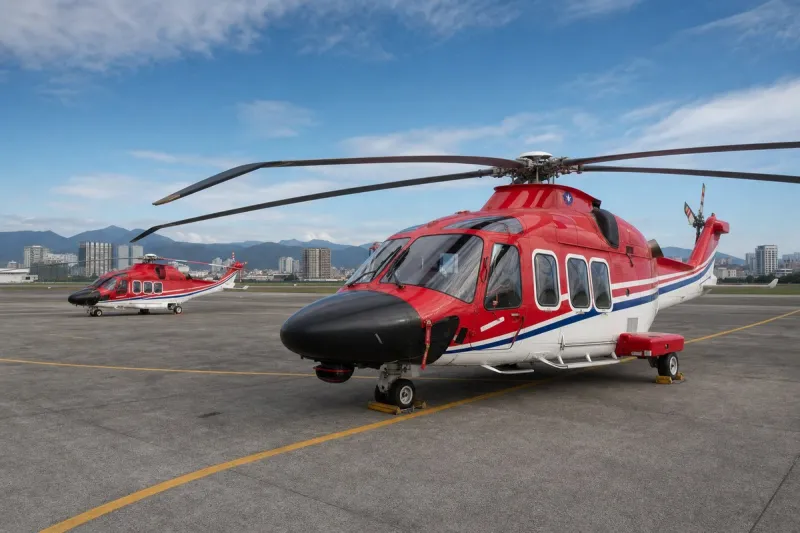
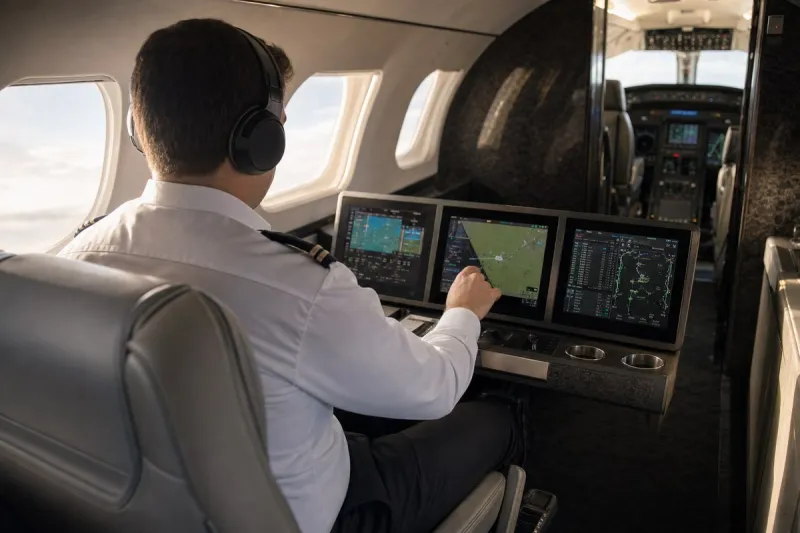
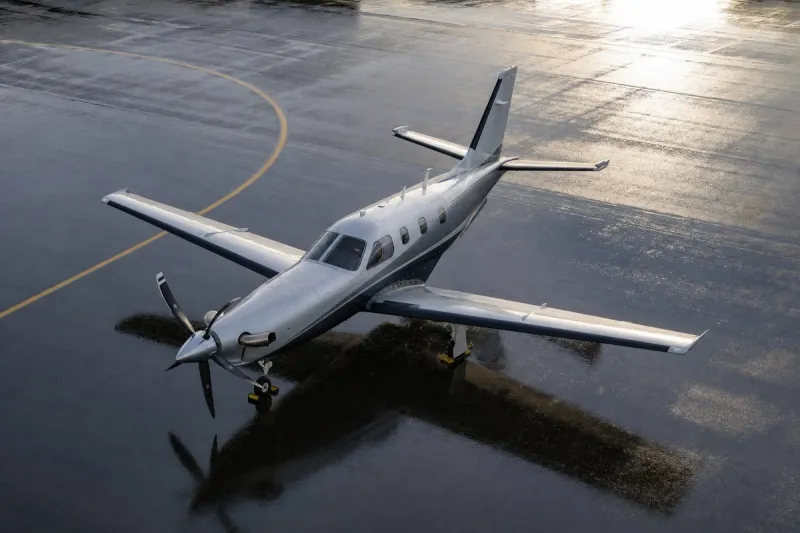
The Tennessee Valley Authority (TVA) is using the Tecnam P2012 Special Mission Platform (SMP) as an airborne survey aircraft over more than 16,000 miles of transmission lines, per a Tecnam release dated October 21, 2026 that cites a WKRN News 2 Nashville report broadcast on October 14. The aircraft carries a LiDAR laser scanner able to survey more than three acres of land per second, plus four cameras that photograph every mile of TVA's transmission network. Once the data is collected in flight, TVA's transmission foresters can pinpoint vegetation threats and send crews to the exact location.

TVA Aviation Manager Phil Kanagy, who previously flew the same survey missions in helicopters, said helicopter operating costs are 75% higher than those of the airplane. He added that data is collected faster, more cheaply and at a higher altitude, which also makes missions safer for crews. TVA Transmission Forester Matthew Townsend said work that used to take his team months now takes about 15 to 20 minutes. TVA surveyor Robert Byrd, whose work has moved from field equipment to GPS and now airborne LiDAR over 20 years, recalled long field hours in heat, cold and among snakes and ticks.
TVA's aerial program was fully implemented in 2025 after five years of research. It uses the P2012 SMP for the annual survey of more than 5,000 miles of transmission lines in its vegetation management cycle. A two-pilot crew covers approximately 450 miles a day, compared with up to five miles for a ground crew. TVA serves nearly 10 million people in parts of seven southeastern states.
The aircraft and its payload provisions
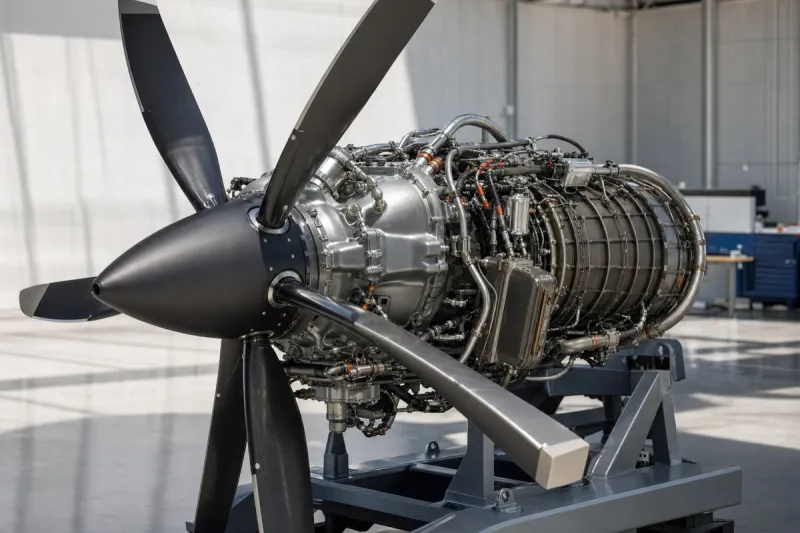
The P2012 SMP is powered by twin Lycoming TEO-540-C1A piston engines with electronic engine control and a fuel consumption of around 31 US gallons per hour. Two ventral hatches and onboard electrical power allow integration of LiDAR and multi-camera systems.
Tecnam says twin-engine redundancy supports operations over forests, mountains and populated areas. Francesco Sferra, Tecnam's P2012 Special Mission Platforms Sales & Business Development Manager, said special mission operators buy data rather than flight hours.
Industry impact & what to watch
Sferra's remark that special mission operators buy data rather than flight hours describes how this segment prices itself. For a utility, the unit that matters is surveyed line-miles delivered to foresters in usable form, and the aircraft is a cost line inside that. Against that yardstick, a piston twin with payload hatches and onboard power competes on operating cost per mile covered, and the reported 75% helicopter cost gap and the 450-mile daily coverage figure are the kind of numbers an operator would weigh.
The TVA case also shows what changes when collection speeds up. The ground-crew comparison in the figures is up to five miles a day, and the forester's timeline fell from months to 15 to 20 minutes. That moves the bottleneck from collecting data to deciding where to send crews, which is a workflow change for the utility and not only a swap of airframes.
The cost and productivity figures come from TVA staff and Tecnam's own release, so they describe one program with its own sensor package and flight profile. The next test is whether other utilities with long transmission networks adopt the same approach and report comparable per-mile results.