NBAA-BACE Session Urges Industrywide Adoption of Standardized Operating Procedures to Cut Errors
Why It MattersBusiness aviation has built procedures flight department by flight department, so a shared manual tied to training curricula tests whether a segment without Part 121's uniform rulebook can standardize itself voluntarily.
What happened
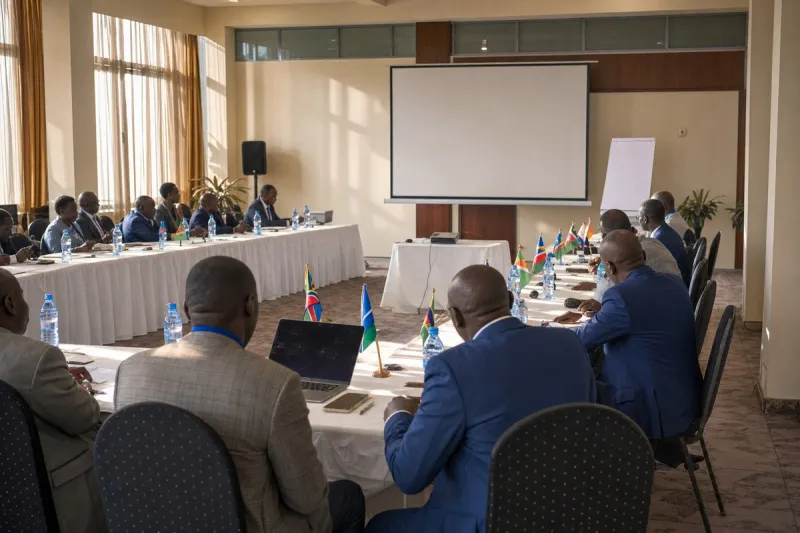
At the 2026 NBAA Business Aviation Convention & Exhibition (NBAA-BACE), industry safety leaders used a session titled "Fewer Errors, Safer Skies" to promote the NBAA SOP Manual, an initiative to establish standardized operating procedures across business aviation. The manual was developed through a collaborative effort involving NBAA, FlightSafety International, CAE and other industry stakeholders, with the aim of reducing errors, mitigating risks and improving the sector's safety record.

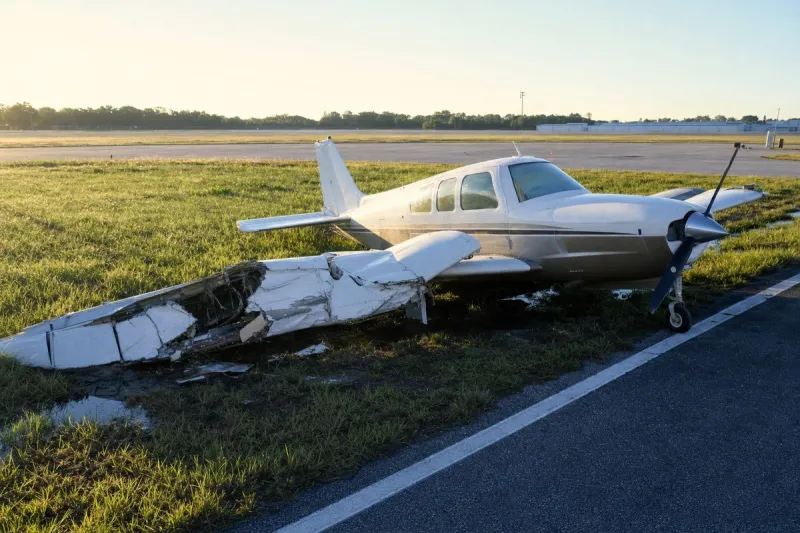
Session moderator Matt Simmonds, a PepsiCo pilot and chair of NBAA's Domestic Operations Committee, said business aviation often develops SOPs department to department. Accident data cited in the session reflects the need for a common standard: SOP nonadherence was cited in 56% of controlled flight into terrain (CFIT) accidents and 42% of loss of control-inflight (LOC-I) events, and adherence to SOPs could have prevented 60% of runway excursions.
Mike Graham, who recently retired as vice chair of the NTSB, said the Part 121 world cleaned up its accident rates and that SOPs were one big part of that. He noted that adoption is only the beginning: operators must ensure pilots consistently follow established procedures and revisit them when changing conditions require it. Steve Bragg, director of aviation safety at Executive Jet Management, who chairs the NBAA SOP change management process, said frequent changes can render standards irrelevant and that a process was created to accept industry feedback and keep the document current.
Panelists stressed the manual is not meant to replace every operator's established procedures. It serves as a common reference for reviewing and strengthening existing practices, including stabilized approach criteria, commit-to-stop points, flight crew briefings and standardized callouts. Mike Whannell, senior managing director of travel at Jack Henry, discussed its value to smaller flight departments and operators transitioning between aircraft types. Graham said single-pilot operations can also benefit, since communication, situational awareness, decision-making and judgment remain essential.
Training and revision schedule
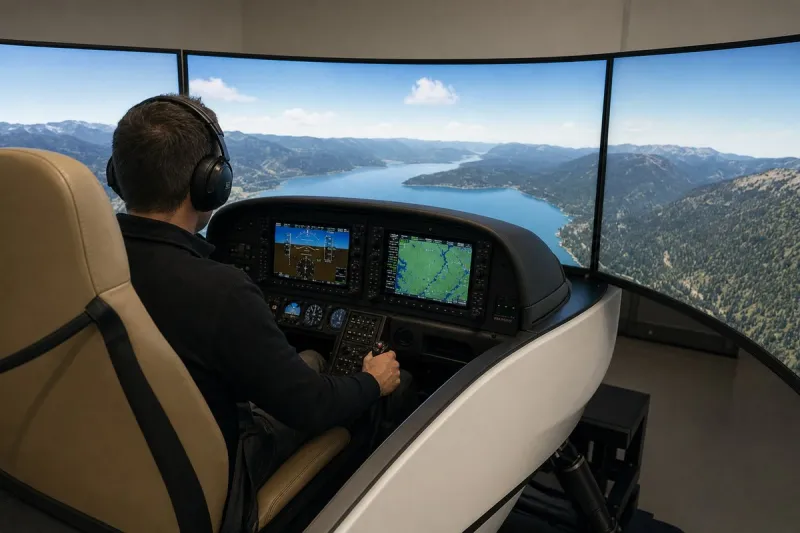
Tim Schoenauer, CAE vice president of civil training solutions, said implementation requires standardizing hundreds of instructors across multiple training centers and incorporating the manual into training curricula, a commitment made by both FlightSafety and CAE. Brian Small, FlightSafety International director of regulatory affairs, said the effort is about philosophy, including threat and error management, not just callouts.
The NBAA SOP Manual was first released at last year's NBAA-BACE and was updated to Version 1.1 in February 2026 to correct errors and clarify guidance. Work is underway on Revision 2, incorporating feedback submitted by operators and other stakeholders.
Industry impact & what to watch
Business aviation has no single operating rulebook of the kind the Part 121 airline world runs on, which is why procedures have grown up flight department by flight department. A voluntary manual that two of the largest training providers commit to teaching changes where standardization can come from: the simulator and classroom, rather than a regulator. Pilots who move between operators or aircraft types would then meet familiar callouts and approach criteria at each stop.
The accident figures cited in the session frame the case the sponsors are making. Nonadherence appears in the CFIT and LOC-I statistics, and the panel argued that compliance with SOPs could have prevented most runway excursions. The speakers also stressed that a published standard only works if operators follow it and revisit it as conditions change, which is the reason a change management process sits alongside the document.
The next concrete milestone is Revision 2, which will show how much operator feedback reshapes the manual. The second marker is how far the training commitment from FlightSafety and CAE reaches: standardizing hundreds of instructors across multiple centers is the stated job, and curriculum incorporation is where the manual would start reaching crews in practice.