Eurocontrol: Middle East Tensions to Remove About 110,000 European Flights in 2026, Cutting Growth Forecast to 1.7%
Why It MattersFuel costs and disrupted routings from the Middle East conflict are weakening European traffic growth, and the squeeze falls hardest on carriers without fuel-price protection for next year.
Eurocontrol, the pan-European air traffic management co-ordinator, said overall European air traffic growth during the summer stayed below earlier expectations because of geopolitical disruption. It called tensions in the Middle East a "major driver" of the weaker growth, as they reduced demand to and from the region and disrupted established flight routings. The tensions also contributed to a sharp rise in jet fuel prices, adding pressure on airline operating costs. Eurocontrol said the crisis is likely to remove around 110,000 movements in 2026 compared with a no-tension scenario.
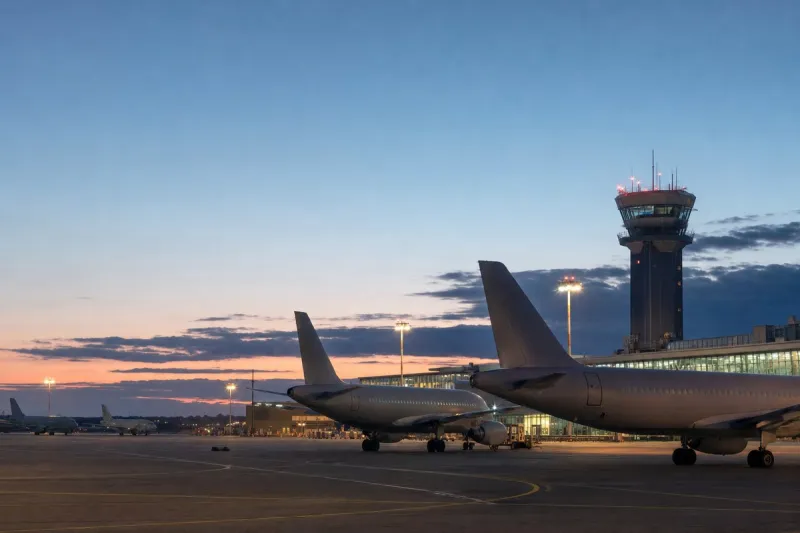
Air traffic across the 44 nations of the European Civil Aviation Conference region is now expected to reach 11.2 million flights in 2026, growth of 1.7%, down from the 2.7% projected in the spring. Eurocontrol still described European aviation as resilient through the summer, with record daily flight levels, historically high load factors and sustained demand, particularly for southern European destinations. Traffic to North Africa, North America and Asia/Pacific also remained strong. Growth was uneven, with southern and eastern European markets outperforming major northwestern markets.
Traffic growth is forecast to recover to 3.2% in 2027, reaching 11.6 million flights, although from a lower 2026 base. The recovery is expected to be particularly pronounced in some of the markets most affected in 2026, notably Turkey and parts of the eastern Mediterranean. Annual growth is expected to average 2.1% a year to reach 12.8 million flights by 2032. Eurocontrol said the medium-term outlook remains broadly stable, though absolute traffic levels are slightly lower than previously forecast, and it flagged significant uncertainty around geopolitical developments and airspace restrictions.
The seven-year forecast sets out three scenarios. The base scenario assumes a slightly weaker GDP outlook for 2026-2027, better economic prospects from 2028, and a stabilisation of the Middle East situation by the end of Q1 2027. The low scenario assumes a significantly weaker GDP outlook in 2026-27, no resolution of Middle East tensions before the end of Q1 2028, prolonged energy-market disruption and persistently high jet fuel prices. The high scenario assumes stronger economic growth, sufficient airline and airport capacity and a faster easing of geopolitical and energy-related pressure.
Separately, Ryanair group chief executive Michael O'Leary, speaking in Brussels, warned that airlines would have to pass higher costs on to consumers as the conflict keeps oil prices high. He said fares could rise by as much as 20% and predicted the biggest increase in European airfares in history over the next 12 months. He said Ryanair had no pricing protection for 85% of its estimated fuel needs for next year and that most European carriers are in a similar position, adding that airlines were still likely to take a profit hit as fuel-hedging positions unwind.