FAA's Bedford Open to Alternatives That Could Restore Single-Pilot Ops in Legacy Citations
Why It MattersThe episode shows how a regulator's equivalent-safety test for exemptions can turn a rescission into a negotiation over training and type-certificate modifications, with the legacy Citation owner base absorbing the uncertainty meanwhile.
What happened
FAA Administrator Bryan Bedford said this week that the agency is open to considering alternatives that could restore single-pilot operations in certain legacy Cessna Citation jets. Speaking at NBAA-BACE, he responded to proposals involving additional pilot training and aircraft modifications.

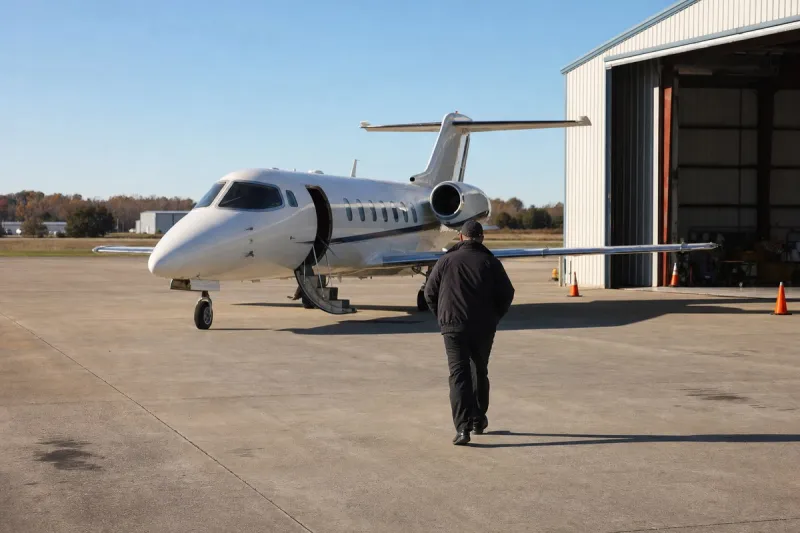
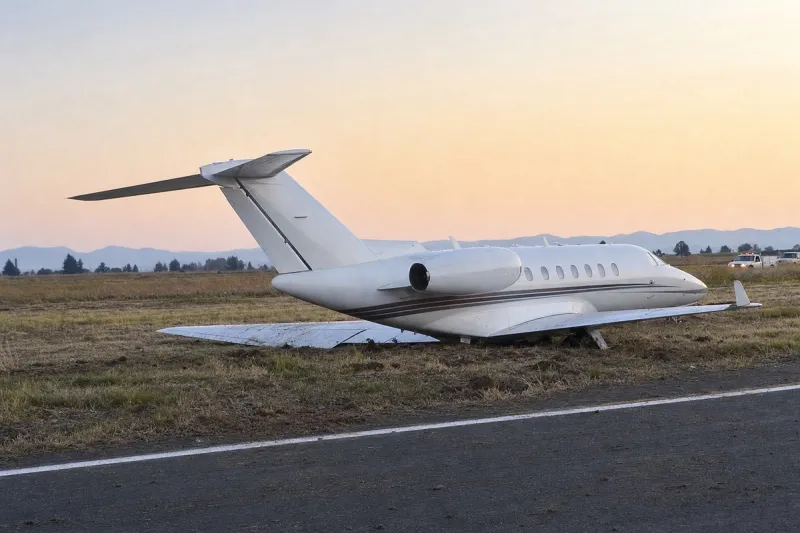
The discussion follows the FAA's Sept. 29 decision to rescind exemptions that had allowed certain Citation 500-series aircraft, including the Citation I, II, V, Ultra, Bravo and Encore, to be flown by one pilot despite their two-pilot certification. The agency cited widespread noncompliance among training providers and safety concerns identified during its review of the program.
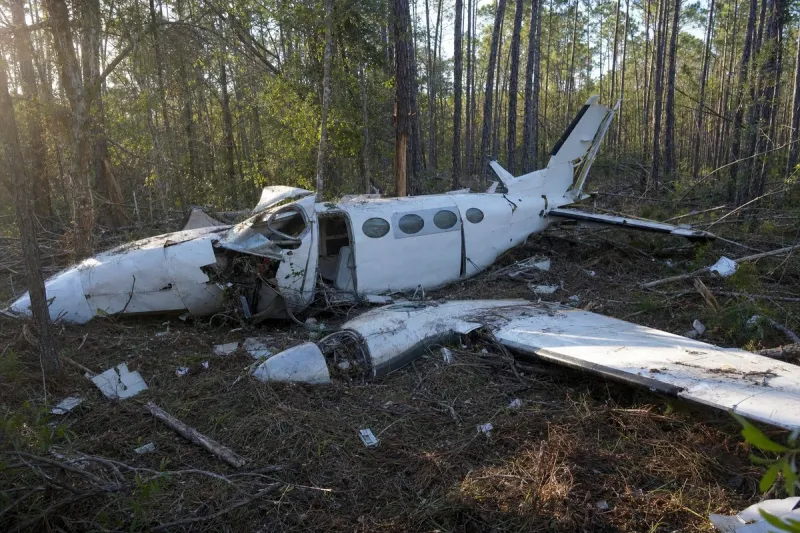
According to the FAA's recent policy notice, a review of 18 years of accident data found that the affected Citations flown by a single pilot had approximately twice the accident rate of comparable Part 23 Citation models approved for single-pilot operations. The comparison was based on aircraft counts rather than flight hours. NBAA and the Citation Jet Pilots Association have questioned the underlying data and requested a temporary suspension of the rescissions while alternative safety measures are evaluated.
Bedford said that for any exemption the FAA asks whether an alternative can deliver an equivalent level of safety, and that if it cannot, the idea should not be entertained. He said there is compelling data that might provide a path to single-pilot operations with some training and a supplemental type certificate (STC), an approach he described as deserving further examination. The FAA has not announced any change to its existing policy or a timeline for restoring single-pilot privileges.
Industry impact & what to watch
Exemption-based flying sits on a regulatory footing that can be withdrawn on a compliance finding, as this case shows. Once the FAA concluded that training providers were widely out of compliance, the question moved from whether the aircraft could be flown by one pilot to whether any substitute measure could match the safety of a second crew member. Bedford's equivalent-level-of-safety test is the same one the agency applies to every exemption, so any path back runs through evidence rather than advocacy.
The dispute over method matters for how that evidence will be judged. The FAA's accident comparison counted aircraft rather than flight hours, and NBAA and the Citation Jet Pilots Association have challenged it. Owner-flown legacy jets typically log fewer hours per airframe than charter or corporate fleets, so a count-based comparison and an hours-based one can point in different directions. Which denominator the FAA accepts for any follow-up analysis will shape how much weight the industry's data carries.
The specifics that would settle the matter are a defined training standard, an STC scope the FAA is willing to certify, and any decision on the associations' request for a temporary suspension of the rescissions. Bedford described the STC-plus-training idea as deserving further examination, and until the FAA publishes a process or a date, the Sept. 29 rescission remains the operative position.