Duffy Calls for Air Traffic Control Funding and Certification Overhaul at NBAA-BACE Newsmaker Awards Lunch
Why It MattersPairing air traffic control modernization funding with a certification-timeline review ties airspace capacity to how fast new aircraft types reach service, a link that matters most for advanced air mobility entrants.
What happened
U.S. Department of Transportation Secretary Sean Duffy spoke at the NBAA-BACE Newsmaker Awards Lunch, where he said the administration wants the United States to lead in innovation and safety. He described advanced air mobility (AAM) as part of the next iteration of air travel.
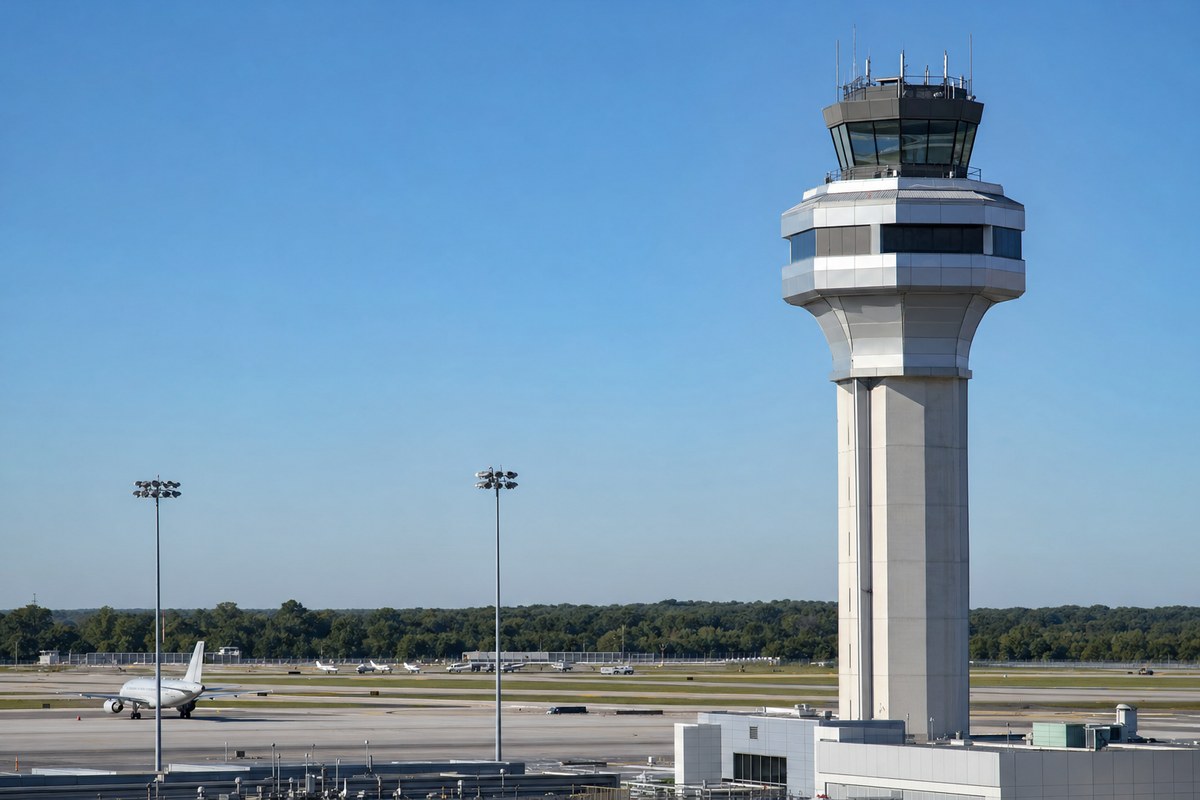
Duffy said the administration has recently asked Congress for an additional $30 billion to build a new air traffic control system. He said the funding would cover control towers at mid-sized and larger airports and new software to improve airspace efficiency and safety. He also said he wants a deep dive into FAA certification timelines.
The fireside chat was preceded by a panel on mental wellness in aviation, which addressed the need for a culture in which pilots and other aviation professionals feel comfortable discussing mental health. Panelist Xyla Foxlin, an engineer, pilot and content creator, said leaders should rethink the traditional open-door policy and work to change organizational culture. Panelist Laila Stein, NBAA flight operations manager, urged attendees to talk openly about what matters to them, on the flight deck and in leadership roles.
The luncheon also presented former business aircraft executive and industry advocate Roger Whyte with NBAA's John P. "Jack" Doswell Award for lifelong individual achievement in business aviation. NBAA also recognized the 2026 Business Aviation Top 40 Under 40 class, nominated by industry peers.
Signature Aviation and the Sun Gate Foundation received NBAA's Al Ueltschi Award for Humanitarian Leadership for their work helping the aviation industry identify and report human trafficking. Signature Aviation chief people officer Amy Alexy said the company built business-aviation-specific training.
Industry impact & what to watch
Air traffic control capacity and aircraft certification are usually discussed as separate problems, but both determine how quickly new capability reaches the airspace. A request framed around towers at mid-sized and larger airports speaks directly to the airports where business aviation concentrates its flying, and software meant to improve airspace efficiency bears on how many operations a given airspace can absorb. For AAM developers, a faster certification path and a system able to accommodate new traffic are two halves of the same entry condition.
The $30 billion is a request to Congress, not appropriated money, and the certification review is stated as an intention. Neither carries a timetable in Duffy's remarks. The practical test is whether Congress acts on the funding and whether the certification review produces specific changes to FAA timelines that applicants can plan around.
The awards and the mental wellness panel sit alongside the policy discussion rather than apart from it. Both the push for open conversation about mental health and the trafficking-reporting work recognized at the lunch concern how crews and ground staff operate day to day, a part of the business that regulation and infrastructure spending do not reach.