Signature Aviation and UrbanV Launch Signature UrbanV Alliance to Build U.S. Advanced Air Mobility Infrastructure
Why It MattersPairing an FBO network's existing airport footprint with a dedicated vertiport developer suggests U.S. air mobility ground infrastructure may grow outward from established aviation hubs instead of from isolated urban sites.
What happened
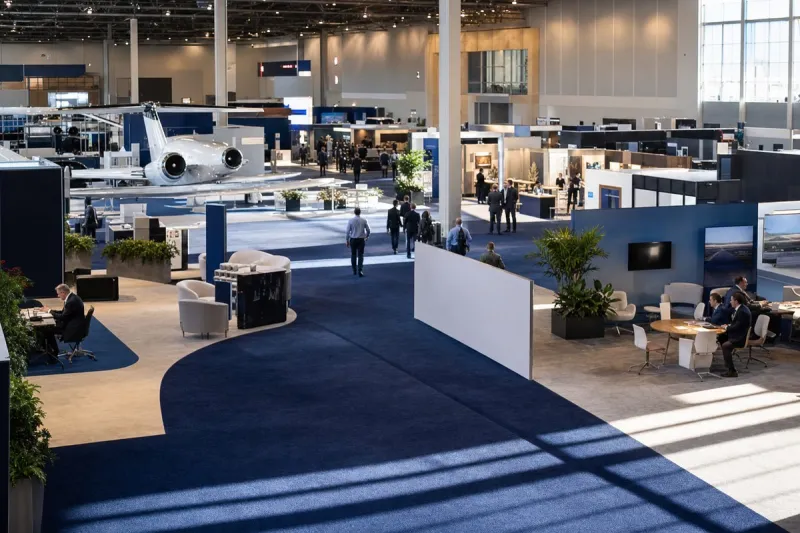
Signature Aviation and UrbanV announced on October 21, 2026 the launch of Signature UrbanV Alliance (SUVA), the U.S. joint venture first announced in June 2025 and now formally established. The announcement marks the transition from planning to implementation in developing and operating Advanced Air Mobility (AAM) infrastructure across the United States. SUVA was unveiled at NBAA-BACE 2026.
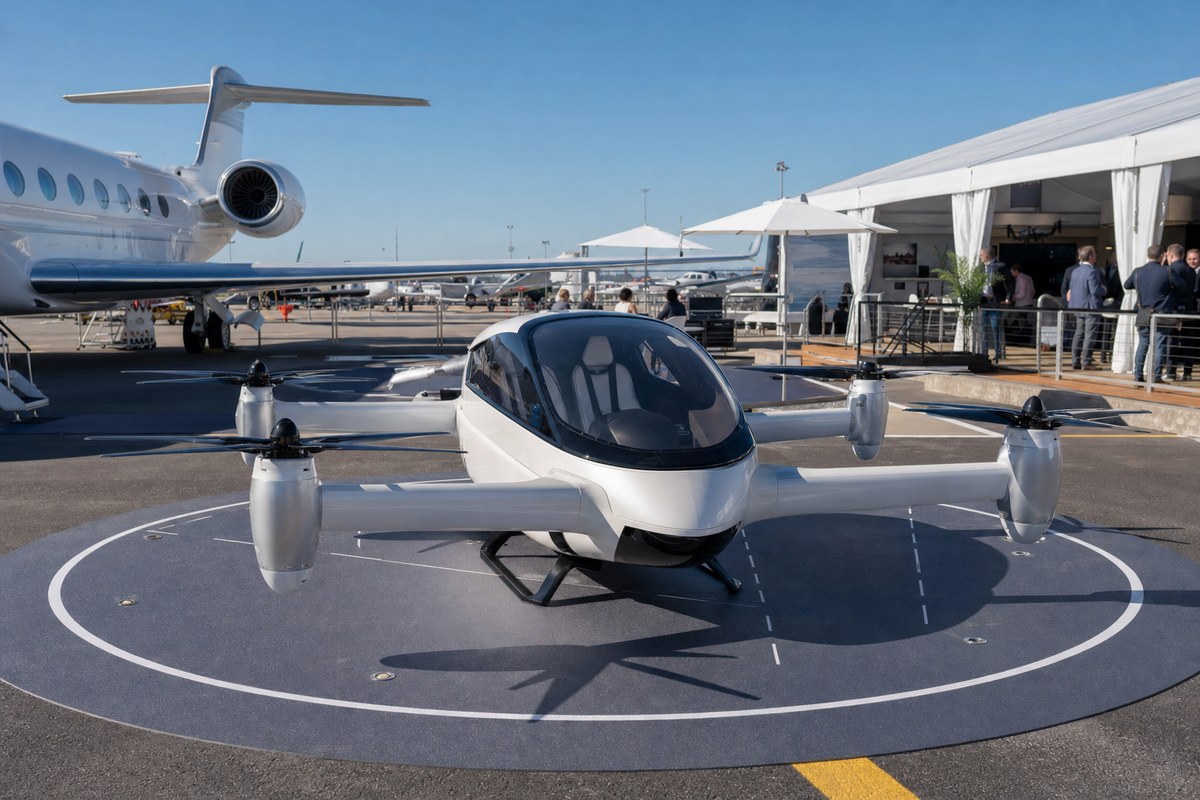
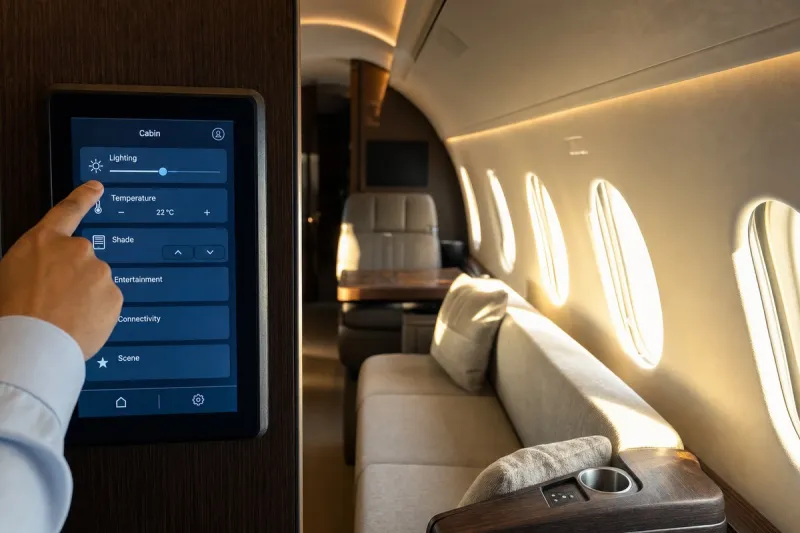
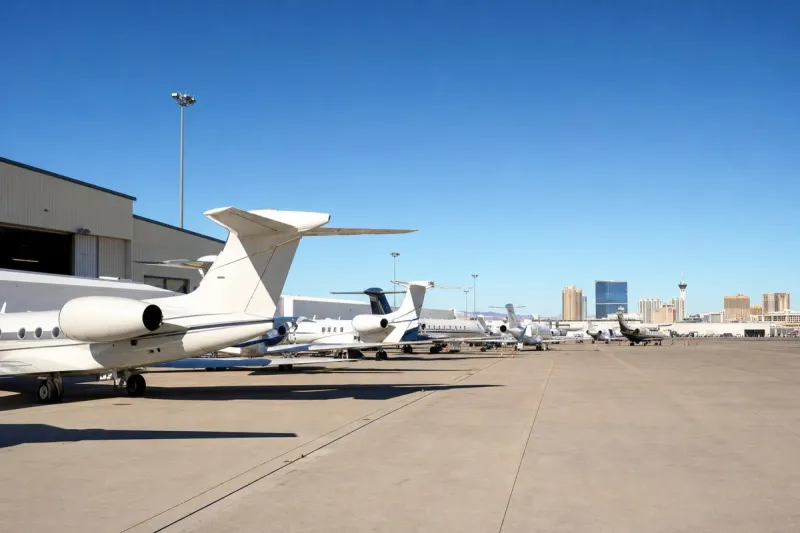
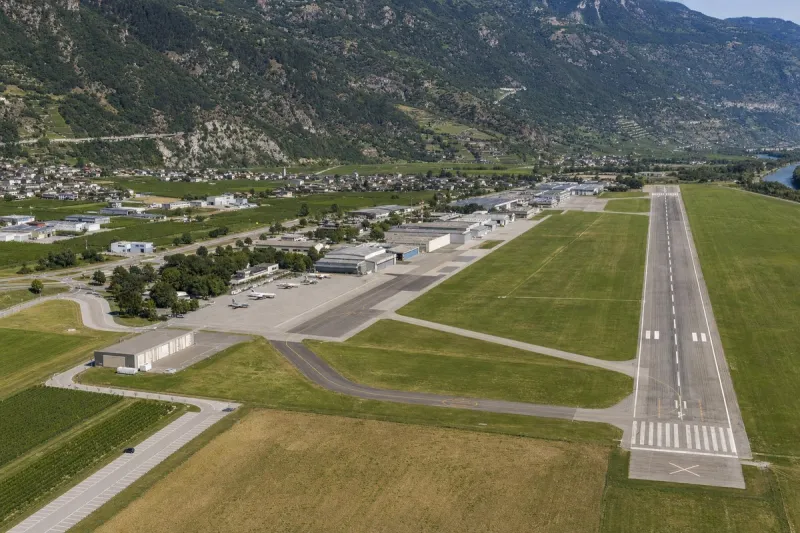
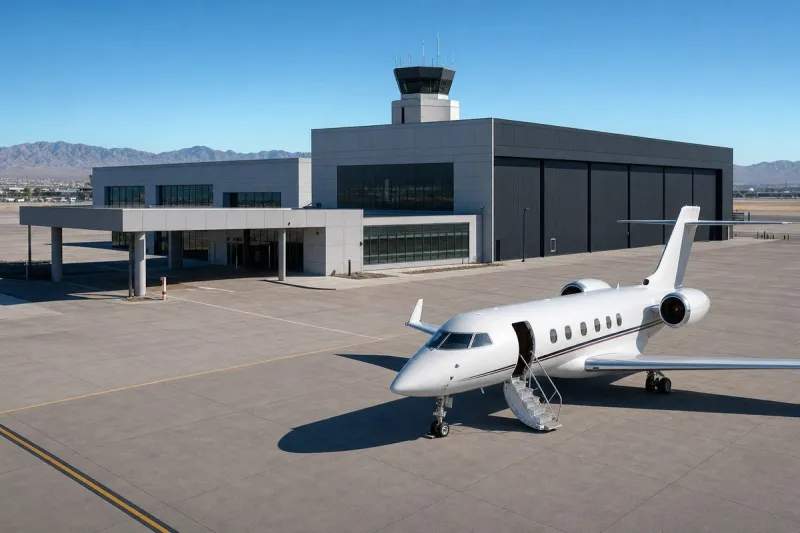
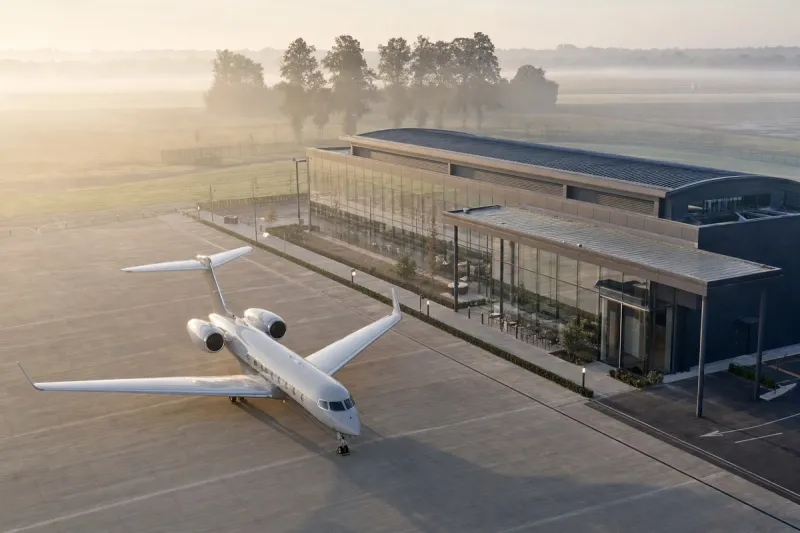
SUVA combines Signature Aviation's U.S. aviation footprint, customer relationships and operating capabilities with UrbanV's end-to-end AAM infrastructure expertise. It will develop an integrated AAM network connecting airports with urban and regional destinations, starting from existing Signature terminal locations and expanding into dedicated vertiports and other purpose-built infrastructure as demand grows. Rather than developing individual sites in isolation, SUVA will build connected networks around existing aviation demand.
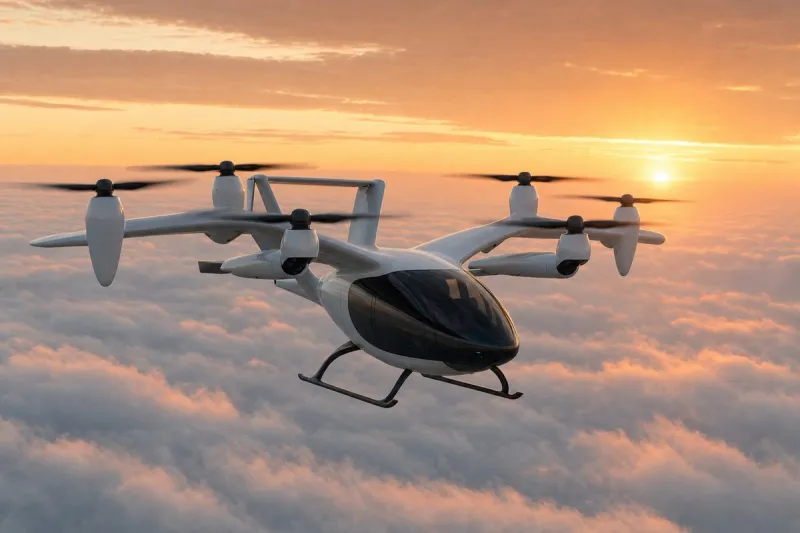
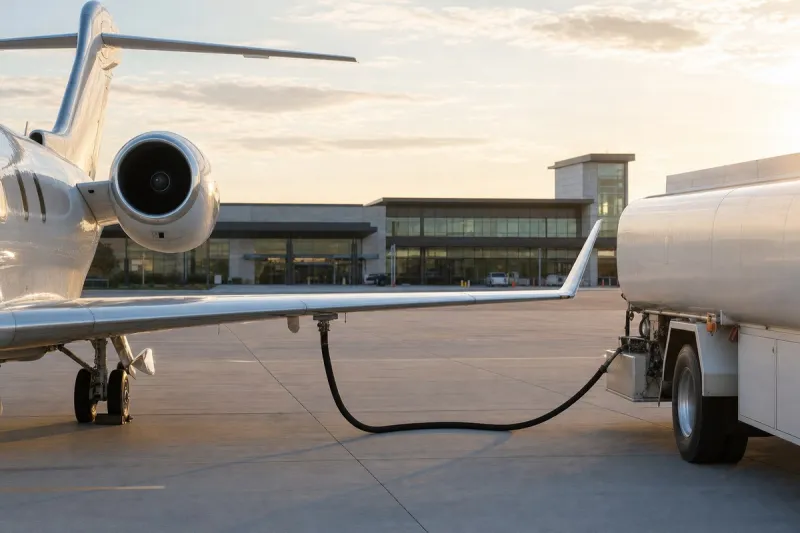
Initial deployments are expected to integrate electric aircraft operations into existing aviation facilities, including charging, aircraft handling and guest services. As operations and demand grow, SUVA plans to add dedicated vertiports in urban and regional destinations, creating an integrated network of on-airport and off-airport locations.
SUVA will provide a common infrastructure platform for multiple aircraft manufacturers and operators, instead of serving a single aircraft type or operator. It will work with airports, municipalities, real-estate owners, manufacturers, operators and infrastructure partners to identify priority locations, assess demand and develop the technical, regulatory and commercial frameworks required for deployment. SUVA also serves as a dedicated platform through which the two companies coordinate their U.S. AAM infrastructure activities.
Derek DeCross, Chief Commercial Officer of Signature Aviation, said the alliance gives the company an opportunity to help shape both the infrastructure behind AAM and the guest experience itself. Massimiliano Pane, Executive Director of UrbanV, said AAM will require connected infrastructure that is ready ahead of large-scale commercial operations and links airports with the places people want to reach. Signature Aviation operates private aviation terminals at over 200 locations in 27 countries across five continents, while UrbanV specializes in the design, construction and operation of vertiport networks for integrating eVTOLs into urban environments.
Why the airport-first sequence matters
Starting from existing terminals changes the economics of early AAM ground infrastructure. Charging, aircraft handling and guest services are functions an FBO already performs for conventional aircraft, so the first electric operations can draw on staff, ramp space and customer relationships that exist today rather than waiting for new sites to be permitted and built.
The stated plan to serve multiple manufacturers and operators also places SUVA in the role of neutral host. EVTOL developers have so far tended to treat ground infrastructure as something each program must secure for itself; a shared platform tied to an established terminal operator offers a different route, in which aircraft makers rely on a common layer of sites and services.
The off-airport phase is where the harder questions sit. Dedicated vertiports in urban and regional destinations depend on agreements with municipalities and real-estate owners and on regulatory frameworks that SUVA says it will help develop with those parties, so that stage will move at the pace of local approvals as well as demand.
Industry impact & what to watch
The launch shows how the infrastructure side of advanced air mobility is likely to be organized in the U.S.: through partnerships between incumbents that control airport access and specialists that know vertiport design, not through standalone urban-site developers. An FBO network brings fuel-farm-style logistics, handling routines and a client base of business aviation users, which are exactly the assets a young electric-aircraft market lacks.
For the wider FBO and airport segment, the move frames AAM as an extension of ground-handling services instead of a separate business line. Charging and passenger-facing services at existing terminals can be added incrementally, which lowers the commitment required before aircraft volumes are certain.
The first concrete signals will be the priority locations SUVA selects with airports and municipalities, and which manufacturers and operators commit to using the platform. Those choices will show how much of the network is anchored on existing Signature terminals and how quickly the dedicated vertiport phase begins.