Financial Times: Private jet charter prices to and from Saudi Arabia up more than 50% amid Riyadh airport closure
Why It MattersAirport closures that strip out aircraft supply and add war-risk insurance push charter pricing up for everyone, turning the remaining departure points into a scarcity market priced by availability, not distance.
What happened
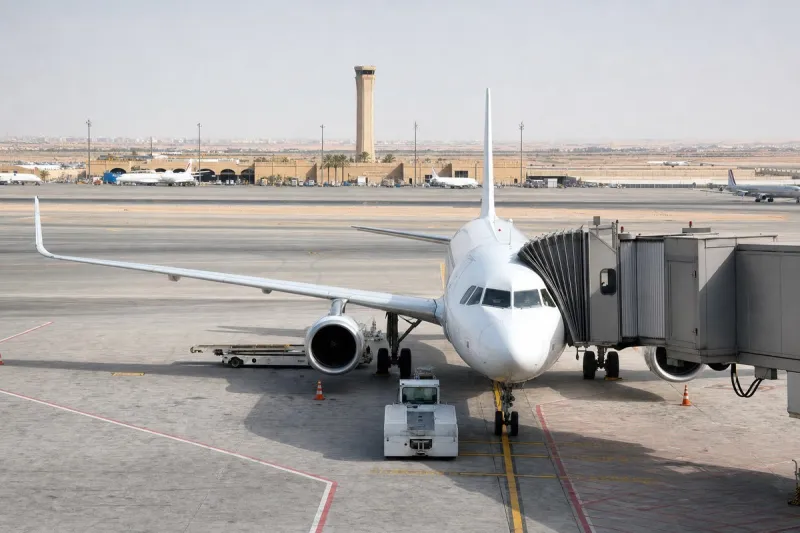
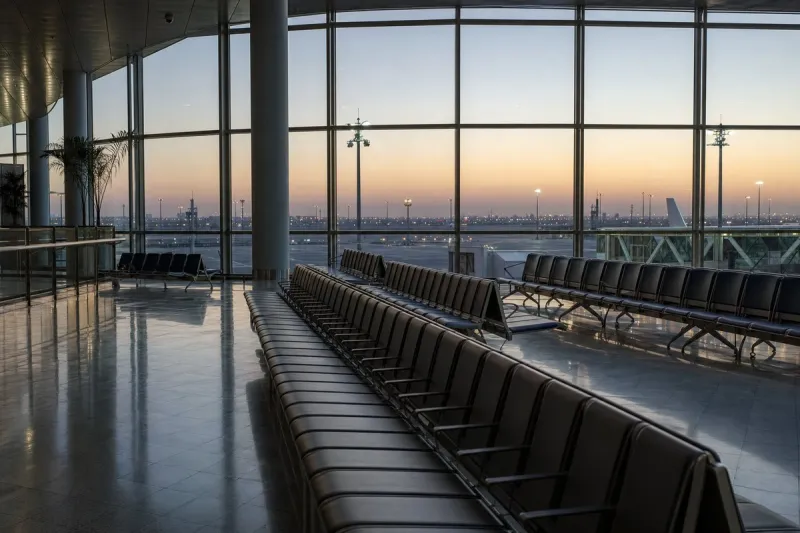
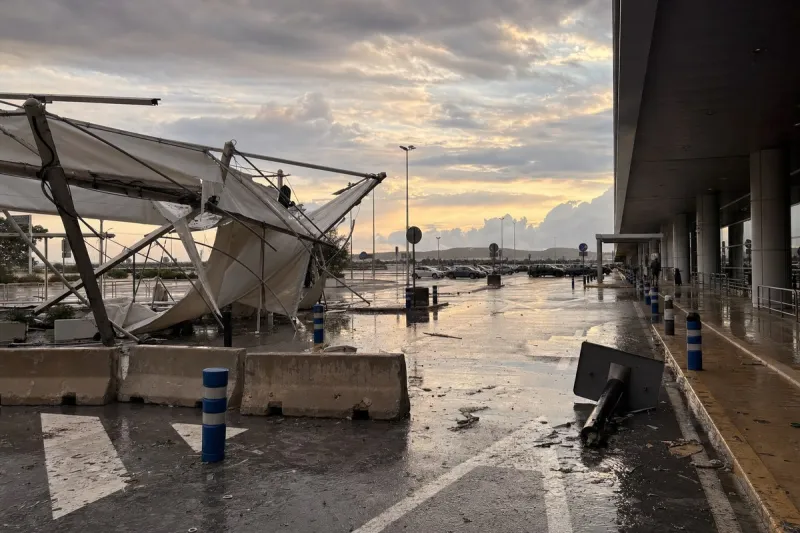
The Financial Times published a piece on Wednesday, October 21, saying private jet charter prices for flights to and from Saudi Arabia had risen by more than 50 per cent. The disruption was linked to Yemeni Armed Forces operations inside the kingdom, the closure of King Khalid International Airport in Riyadh and the cancellation of thousands of commercial flights. Fewer available aircraft, higher insurance premiums and additional passenger charges were cited as drivers, and several private aviation operators were described as reluctant to serve affected airports.
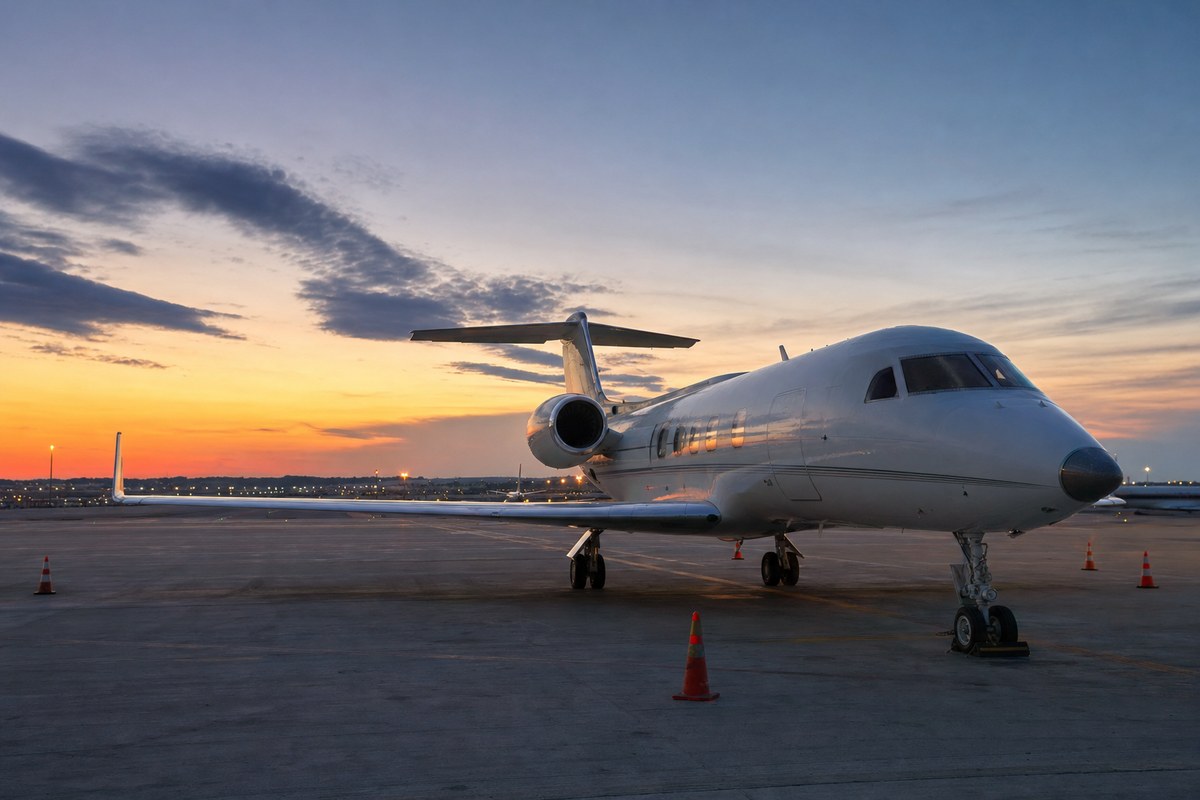
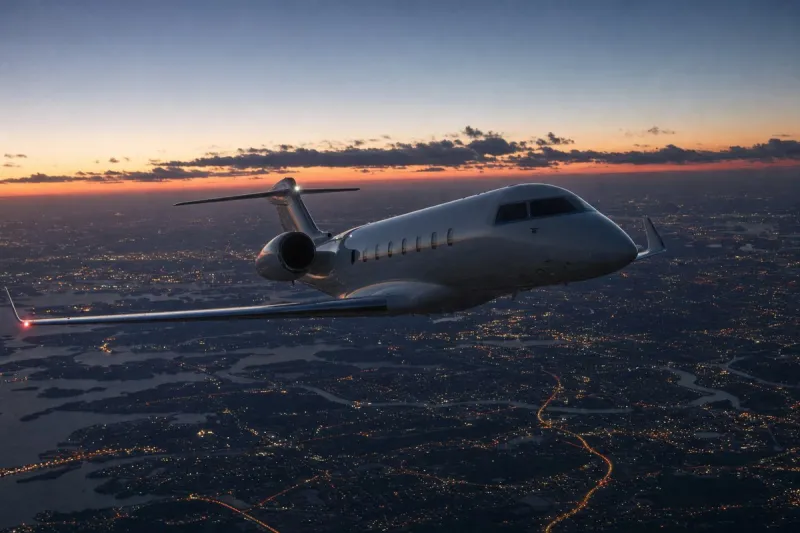
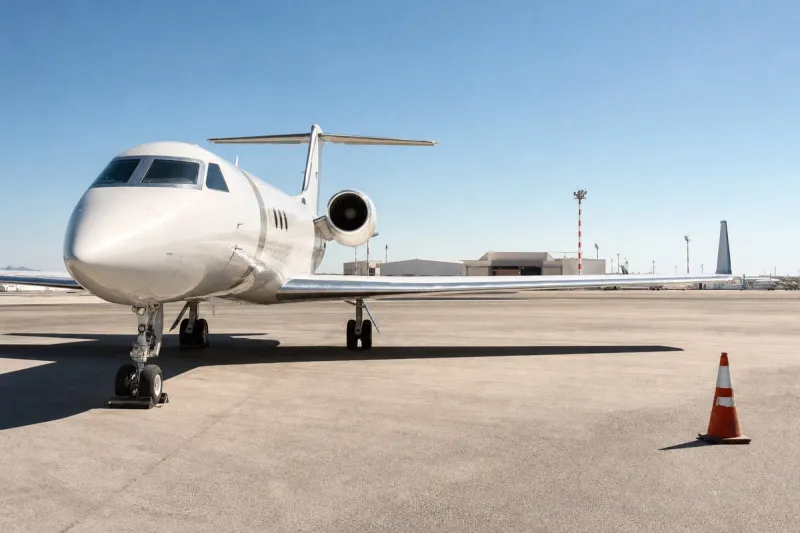
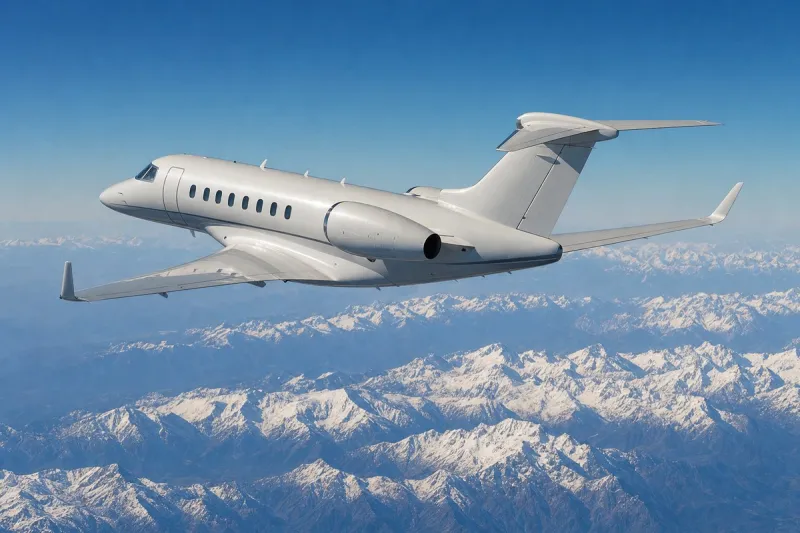
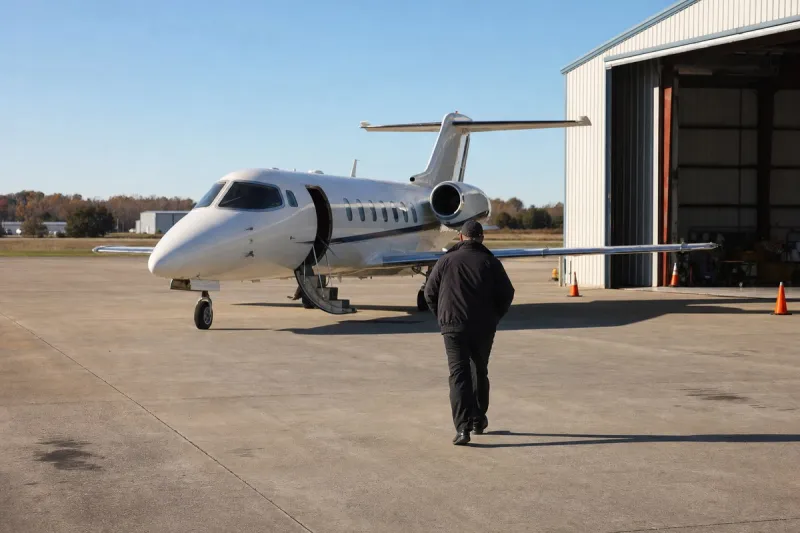
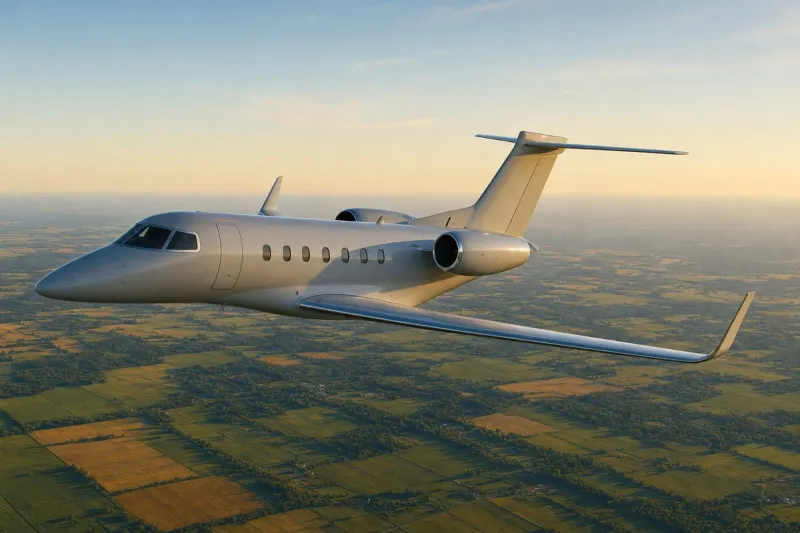
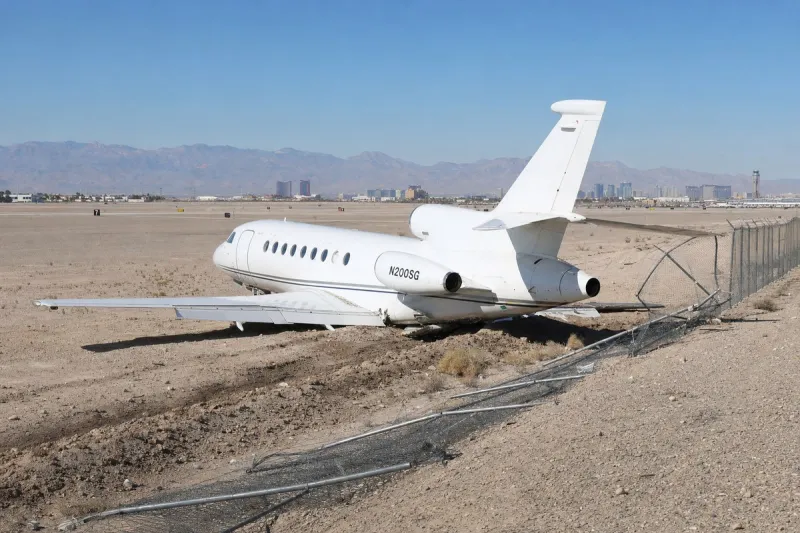
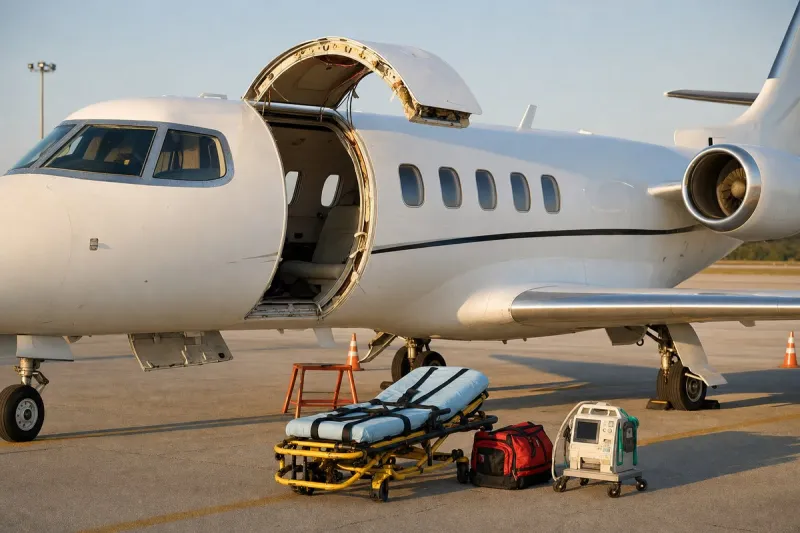
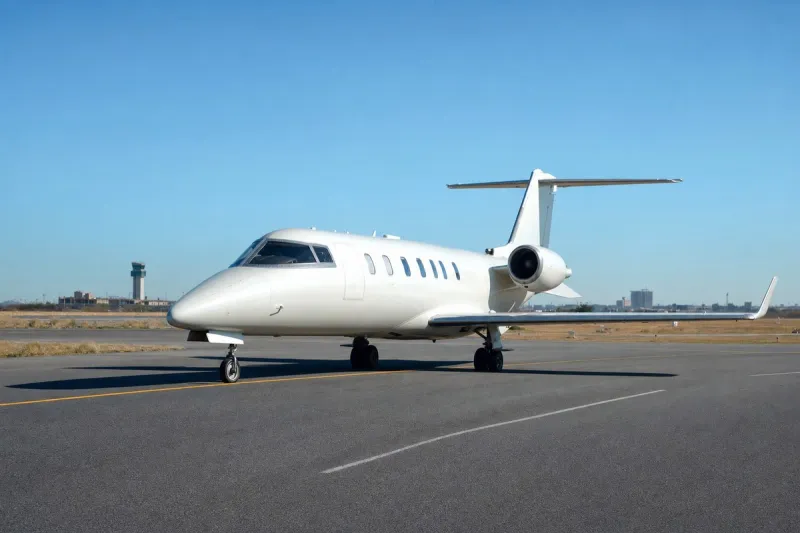
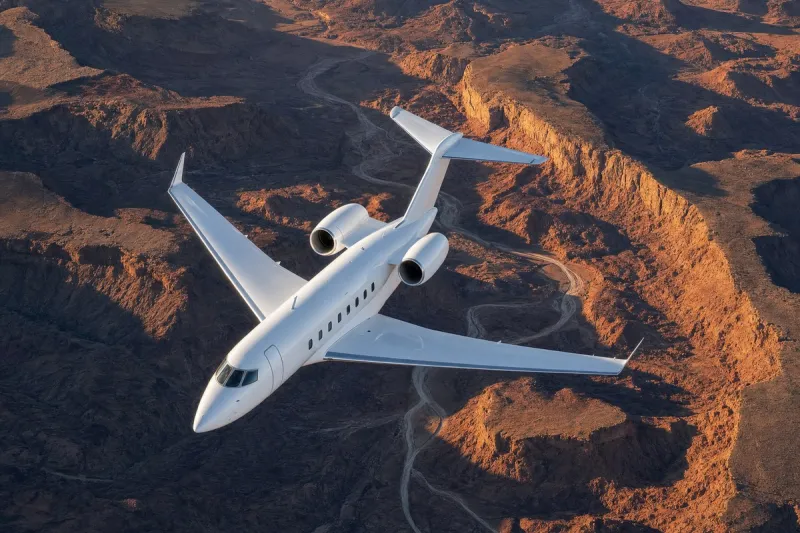
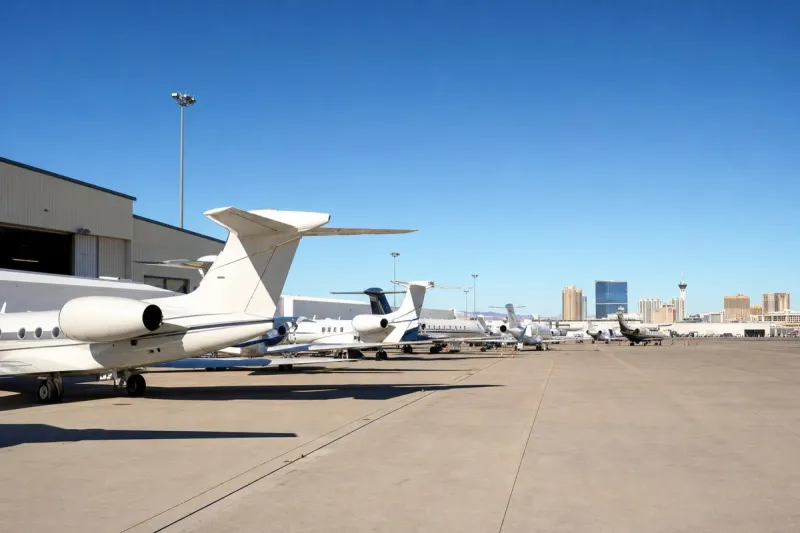
Industry officials cited by the newspaper said a private flight from Qassim Airport to Geneva on a Bombardier Global 6000 with capacity for about 14 passengers sold for €94,000, against around €60,000 before Riyadh airport closed. Charles Robinson, founder of private aviation platform EnterJets, said flights from Saudi Arabia to European Union countries could cost about $150,000, while flights to the United Arab Emirates ranged from $30,000 to $50,000. He attributed the rises to reduced competition and higher demand for the limited flights still available.
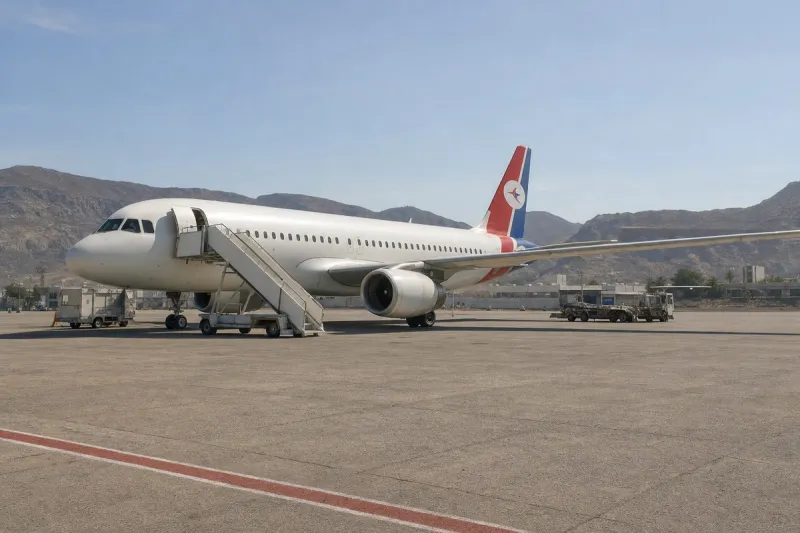
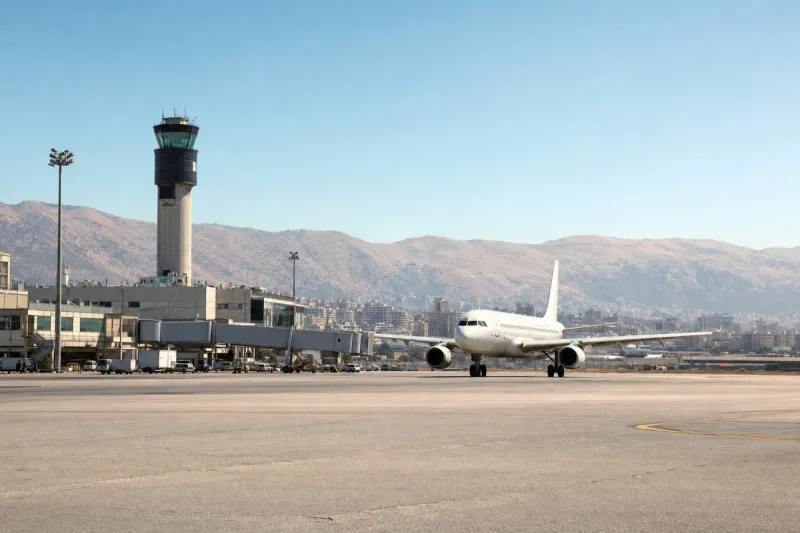
Passengers seeking to leave Riyadh have increasingly used Qassim Airport, more than 200 miles from the capital, to arrange private flights. Those unable to afford charter costs have travelled to Bahrain and Qatar to catch departures from airports there. Aviation analytics group Cirium recorded more than 5,500 cancelled departing flights from Saudi airports since the start of the Yemeni military operations. Lufthansa and ITA Airways have suspended services to the kingdom, while British Airways and Air France have postponed flights.
Toby Edwards, co-chief executive of aviation company Victor, said war-risk insurance could add up to $20,000 for larger aircraft carrying about 18 passengers and around $8,000 for smaller aircraft seating eight to 10 passengers. In a separate report, the Financial Times examined the performance of Saudi Arabia's air-defence systems, with analysts pointing to potential vulnerabilities in radar networks and Patriot and THAAD interceptor systems against coordinated drone and cruise-missile operations.
Industry impact & what to watch
When a major hub shuts and scheduled carriers pull back, demand does not disappear; it migrates to the one segment still able to move people, and that segment's supply is fixed in the short term. Charter aircraft cannot be conjured on demand, and each one that repositions into a risk zone carries extra insurance cost, so quotes rise sharply on the same routes that were routine weeks earlier.
The figures quoted show two separate effects layered together. One is scarcity: fewer competing operators and a rush of passengers chasing the remaining seats. The other is a risk premium, with war-risk cover adding thousands of dollars per trip depending on aircraft size. Both fall on whoever books, and both persist for as long as the airspace picture stays uncertain.
The displacement of demand to Qassim Airport, and to Bahrain and Qatar by road, shows how quickly traffic reroutes around a closed hub, and how pricing at the alternative airports follows. The next dated marker is the reopening of King Khalid International Airport, which industry sources tied to any return to normal; until that happens, charter pricing in the region is set by availability and insurance terms more than by distance.