Tesla Roadster Flight Demo Raises Questions Over Which US Rules Would Govern a Flying Car
Why It MattersA road-going vehicle capable of sustained flight would straddle two federal regimes at once, exposing how vehicle certification and pilot licensing are built as separate systems with no shared category.
What happened
Tesla's "flying" Roadster was revealed on October 15, 2026. The demonstration used cold-gas thrusters and a downforce-generating fan system. The car briefly stayed upside down, made a controlled descent, flipped over, barrel-rolled, jumped over other Teslas and hovered. Elon Musk had promised a flying Roadster as far back as 2018. The vehicle is not in production and is not approved for public road use.
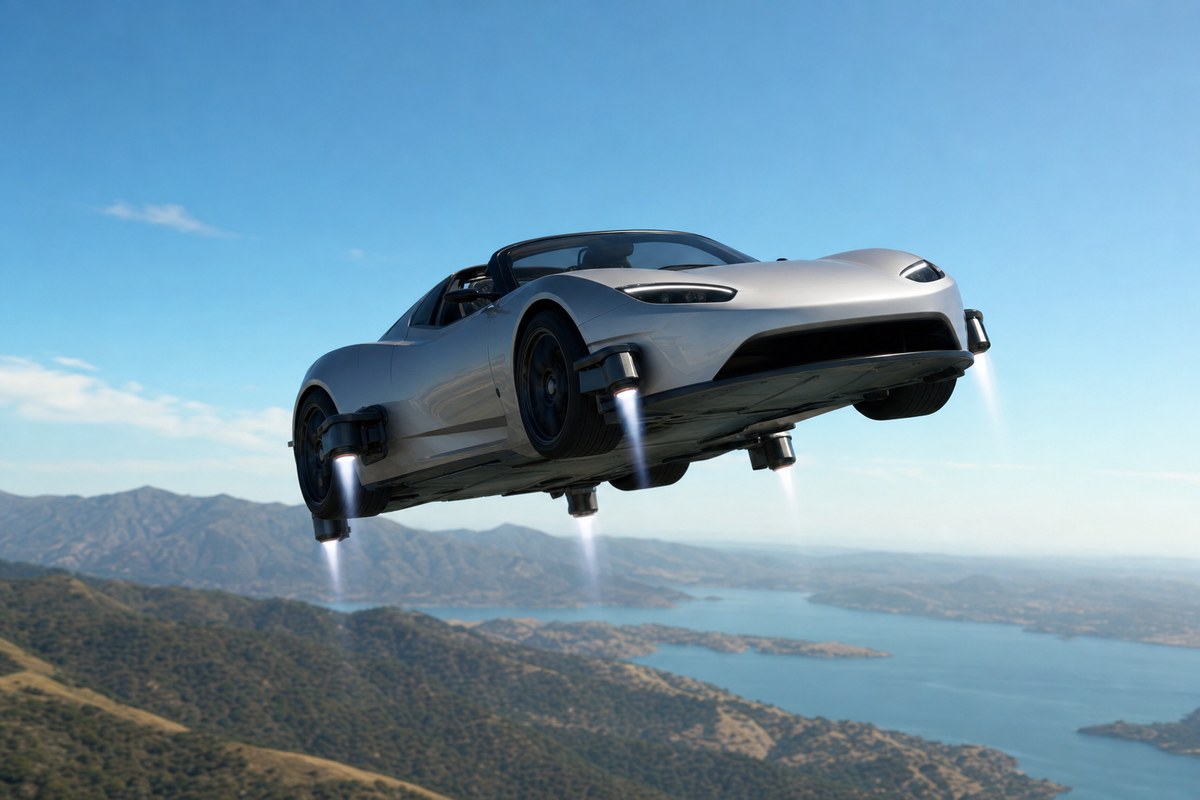
The Federal Aviation Administration told Politico that the Tesla Roadster does not meet its definition of an aircraft. The Department of Transportation said the vehicle must comply with applicable federal motor vehicle safety standards and that drivers must obey local traffic laws. Road vehicles are regulated by the DOT, the National Highway Traffic Safety Administration and state agencies, while aircraft, from drones to planes, fall under the FAA.
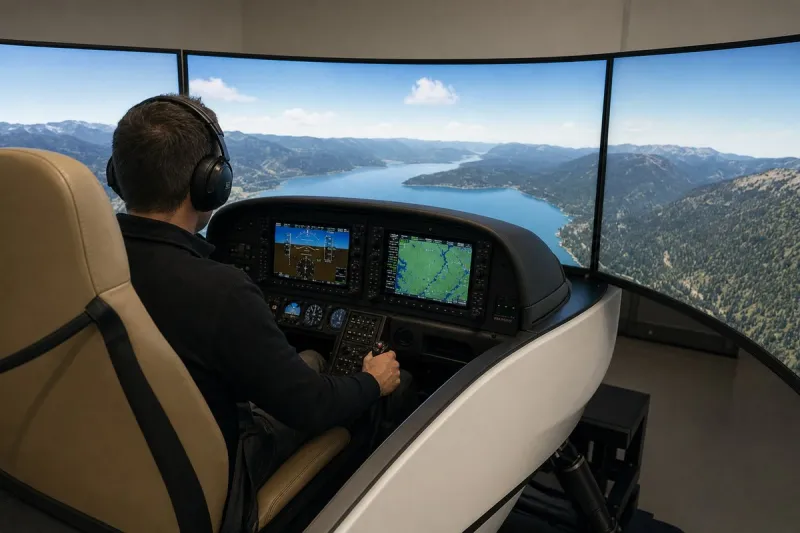
Operator requirements differ as well. A driver's license generally requires identification, a written exam and a road skills test. A private pilot license requires an FAA medical exam by an Aviation Medical Examiner, at least 40 hours of flight time (at least 20 with a Certified Flight Instructor), a written knowledge test and a practical test with oral and flight portions given by an FAA examiner. Private pilot license holders are not permitted to be paid for a flight. The FAA has altitude minimums and restrictions over populated areas.
There is speculation that the unveiling was meant to distract from Musk's aim of merging Tesla with SpaceX and shifting from electric vehicles to self-driving "Cybercabs." The "Performance" Roadster is priced at $50,000 and the "Thrust" model at $250,000, while the "Rocket" version that "flies" is invite-only with no price disclosed.
Industry impact & what to watch
The FAA's statement that the Roadster is not an aircraft, set beside the DOT's insistence on motor vehicle safety standards, shows how the current framework sorts machines by what they are today rather than what a manufacturer might later build. A vehicle designed for both sustained flight and public-road driving would sit in neither category cleanly, and the split between road regulators and the FAA would have to be reconciled before any such product could operate.
The licensing gap illustrates the same problem from the operator side. Road driving and piloting are gated by very different qualifications, and the pilot track carries medical, flight-hour and examiner requirements with limits on being paid for a flight. A dual-mode vehicle would force a decision on which of those requirements, if either, applies to the person at the controls.
The next concrete marker is whether the DOT, NHTSA or the FAA address a flight-capable road vehicle directly. Until a vehicle that can actually fly while meeting road requirements exists, the regulatory question stays hypothetical, and the Roadster itself remains a demonstration that is not in production.