Jet Linx signs over a dozen new base partners since relaunching program in December
Why It MattersThe relaunch shows how a private aviation operator can scale local presence through high-net-worth ambassadors who invest in the parent company, while safety, training, operations and maintenance stay centrally managed.
What happened
Jet Linx has signed more than a dozen new participants since relaunching its base partner program with a new approach last December, Executive Chairman Jamie Walker said. Walker expects about a dozen more deals this year.

Before Covid, the program operated more like a local partnership or franchise. After the company rolled existing base partners' interests into the main company, the relaunch combines what Walker calls "the best of both structures." Base partners represent Jet Linx in their local communities, but they invest purely in the main company.
Base partners are high-net-worth individuals who live in and are active in their local communities. In some cases, new base partners replace longtime partners who are no longer as active and do not wish to continue the commitment expected of ambassadors. In other cases, Walker said, they are additional and bring a complementary network of connections, as well as new locations such as the West Coast. Walker said plans are still being finalized, and Jet Linx will bring its services to the West Coast.
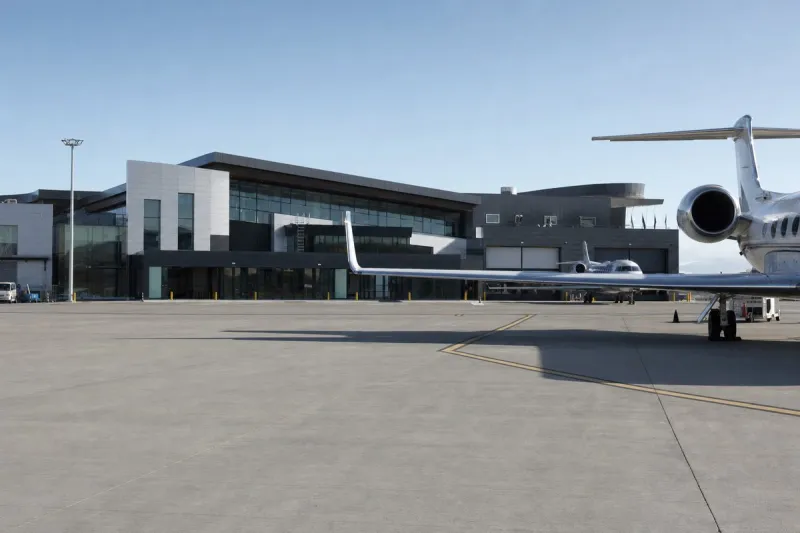
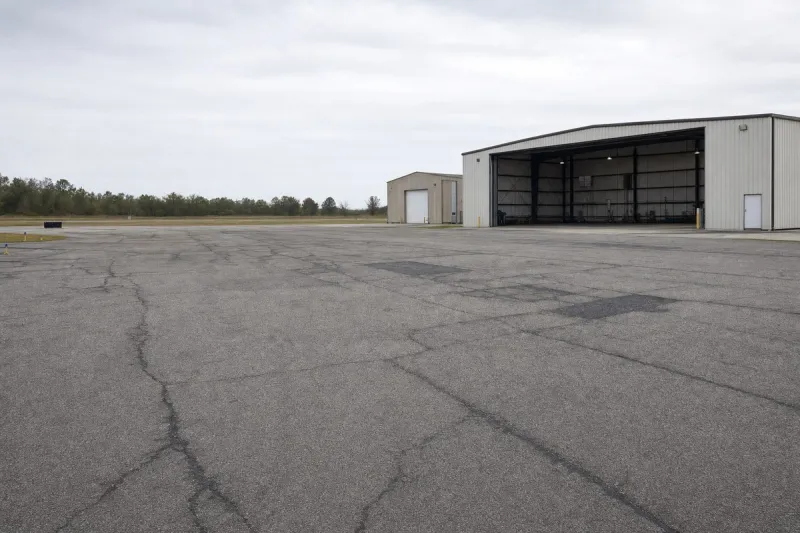
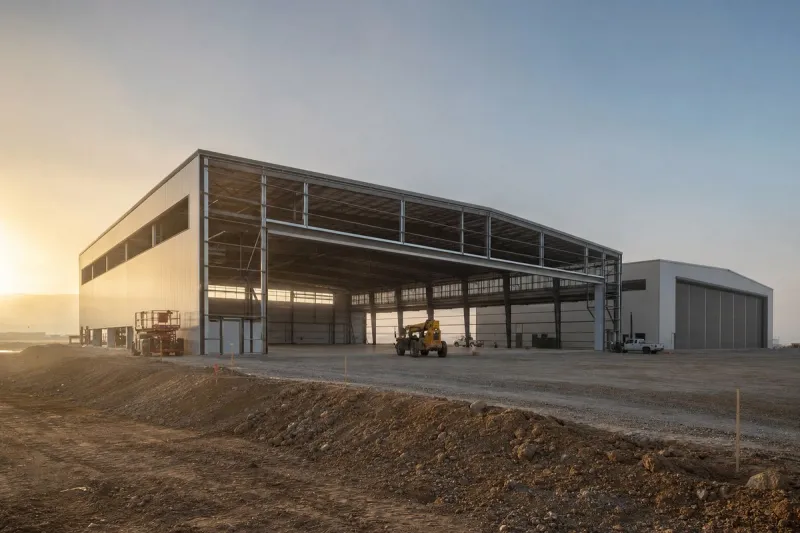
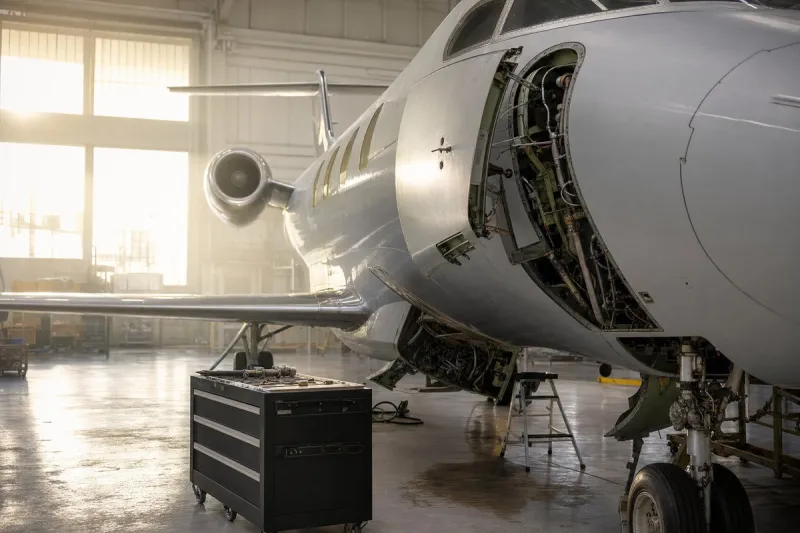
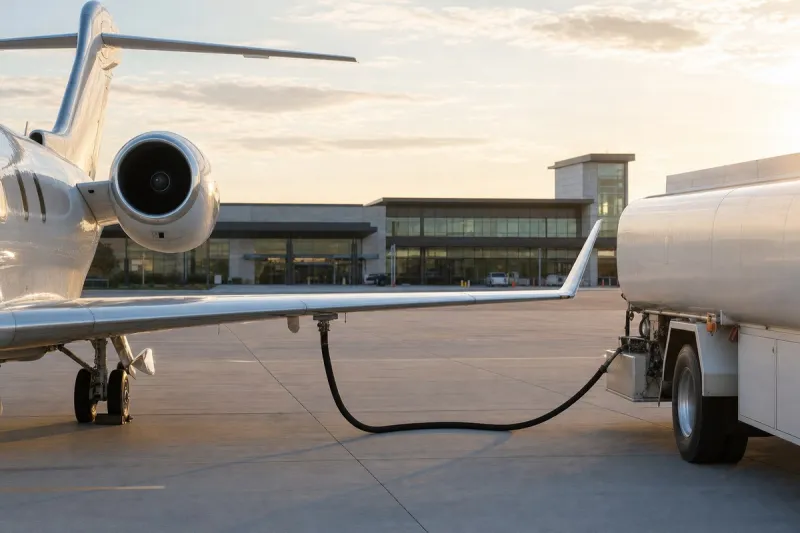
At the local level, Jet Linx provides aircraft owners with dedicated lounges and hangar space, and standardized guest service across the experience. The private lounges let flyers avoid often crowded FBOs, with services including valet parking and vehicle detailing during travel, plus an open bar and snacks selected according to the profiles of clients departing and arriving that day. The company has always centralized management of safety, training, operations and locally performed maintenance.
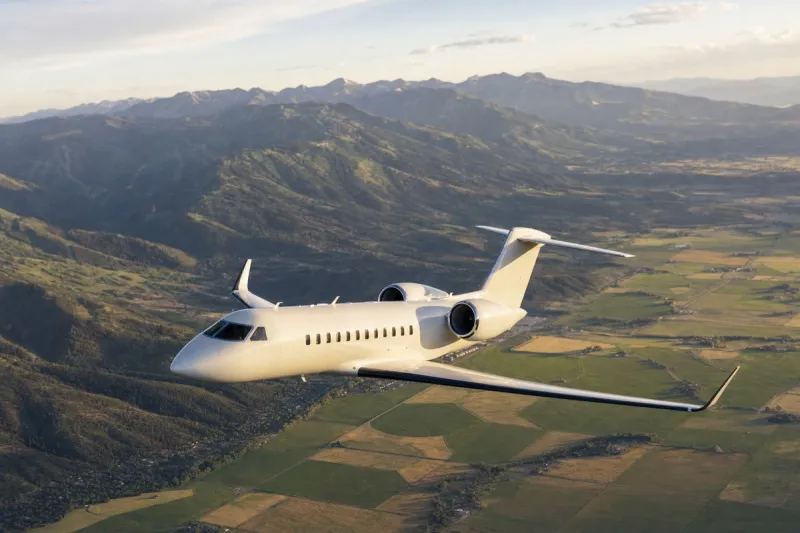
Jet Linx ranked as the 8th-largest U.S. private jet operator based on charter and fractional flight hours in 2025.
Industry impact & what to watch
The structure Jet Linx describes separates two things that franchise-style aviation models often blur: the local relationship and the operating risk. Base partners supply community presence and networks, while safety, training, operations and locally performed maintenance remain with the central company. For a segment where consistency of the guest experience is a selling point, that split is a deliberate design choice.
Because base partners invest purely in the main company rather than in a local entity, their incentives are tied to the whole business rather than to one market. That is the change from the pre-Covid arrangement, which operated more like a local partnership or franchise, and it is the mechanism Walker credits with combining the strengths of both structures.
The next concrete marker is the West Coast: Walker said plans are still being finalized, so the location and timing of that expansion are the items still to be settled. The pace of the roughly dozen further deals Walker expects this year will show whether the relaunched program keeps its current momentum.