FAA Releases Updated Draft Design Standards for Vertical Lift Infrastructure; Final Standards Due Summer 2027
Why It MattersFolding heliport and vertiport guidance into one framework signals that infrastructure planning for advanced air mobility will be judged on a single standard, with pilot-program data refining it before anything becomes final.
What happened
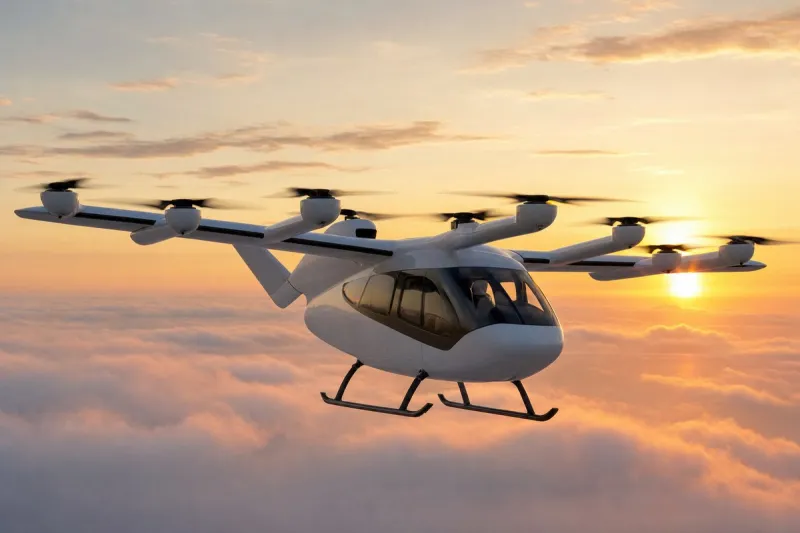
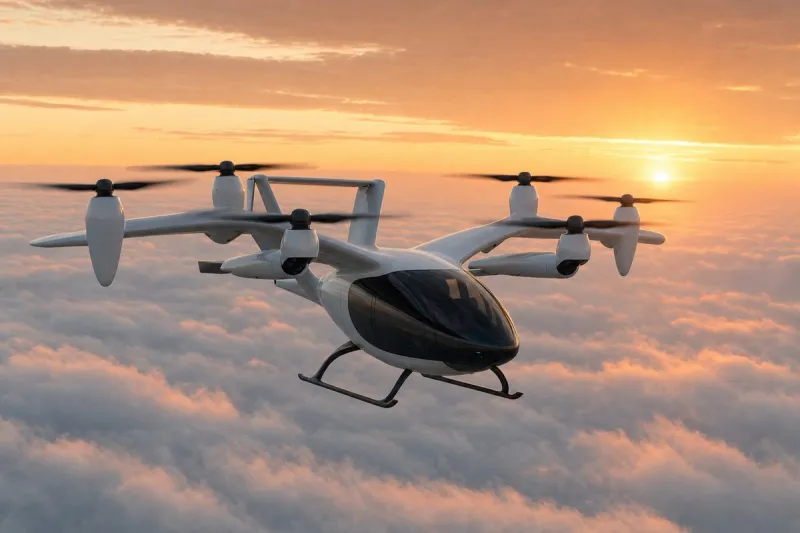
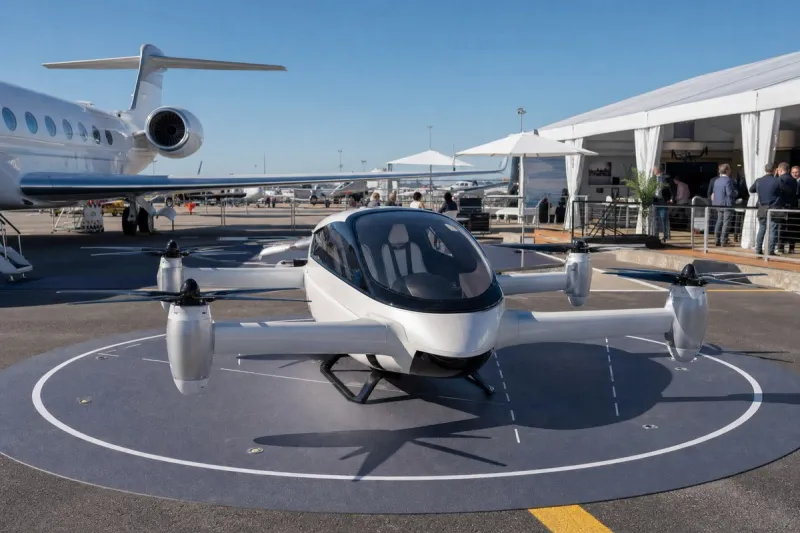
The Federal Aviation Administration has released updated draft design standards for infrastructure supporting vertical flight operations. The drafts are an initial proposal for industry feedback and are meant to help airport and heliport owners, operators and infrastructure developers design facilities for vertical takeoff and landing (VTOL) aircraft, which take off, hover and land vertically without a runway. The release is part of the agency's work to integrate Advanced Air Mobility (AAM) aircraft safely and efficiently.
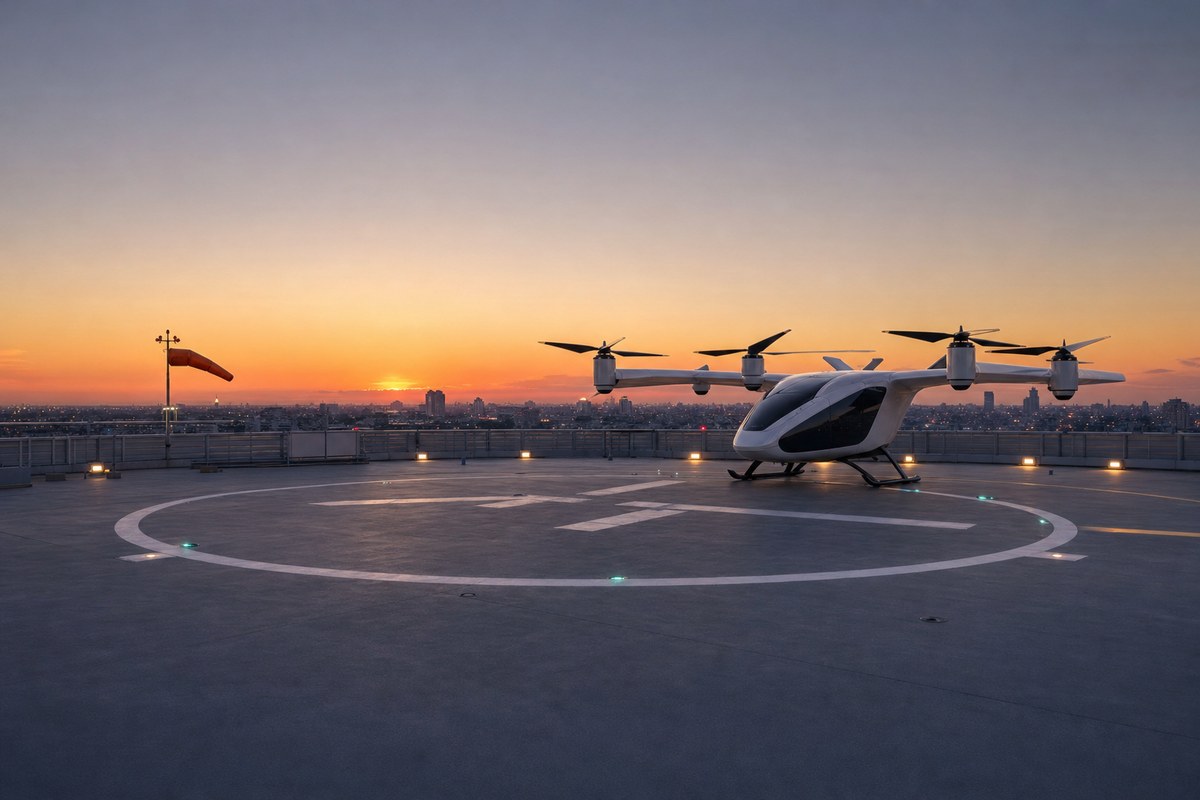
FAA Administrator Bryan Bedford said the agency is ensuring the infrastructure is built to support safe takeoffs and landings for the next generation of aircraft across the National Airspace System. Vertical flight, as the agency defines it, covers rotorcraft and helicopters, special class rotorcraft, powered-lift aircraft and other VTOL vehicles.
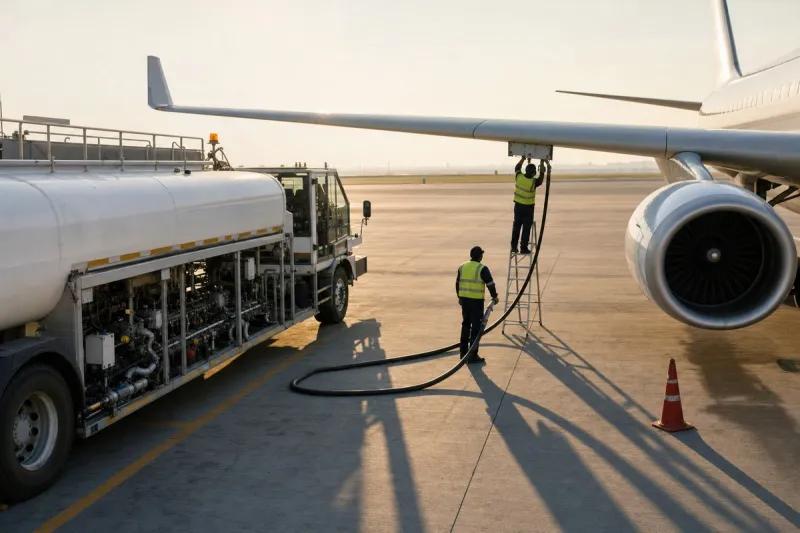
The draft standards address five areas: core layout and operating space, including touchdown and liftoff areas, final approach areas, safety areas and approach surfaces; lighting, markings and visual aids, including perimeter lighting and glideslope indicators; power and charging systems, covering aircraft fueling and electric charging for fleets; integration of vertical flight infrastructure at existing airports without disrupting current operations; and design guidelines for touchdown and liftoff areas on suitable rooftops and elevated structures.
The FAA said the update aligns with the Unleashing Drone Dominance Executive Order, and that operational insights and real-world data from the eVTOL Integration Pilot Program (eIPP) will help inform and refine future standards. The new guidance combines previous design guidance for heliports and vertiports. The agency will work with industry partners and seek public feedback on the draft before publishing final design standards in summer 2027.
Industry impact & what to watch
Until now, anyone planning a landing site for helicopters and anyone planning one for electric VTOL aircraft worked from separate guidance. Merging the two into one set of draft standards points toward a single design basis for sites that will host both conventional rotorcraft and newer powered-lift types. For developers weighing rooftop pads or additions to existing airports, the inclusion of elevated-structure and airport-integration guidance addresses the two siting situations most likely to constrain urban and regional networks.
The inclusion of fueling and electric charging for fleets in the same document matters for how sites get costed. Power capacity, charger placement and fuel handling shape both the footprint of a site and its operating economics, so locking those into a common standard affects business cases well before any aircraft enters service. Because this is a draft, the numbers that eventually appear in the final text are what developers will have to build to, and early designs carry the risk of rework if they diverge from it.
The next milestone is the feedback period the FAA has said it will run with industry and the public, followed by the final standards due in summer 2027. Data from the eVTOL Integration Pilot Program is the stated input that could change the drafts between now and then, which makes the program's operational findings the main thing to follow in the interim.