Reuters: Iranian jet fuel shipped to Myanmar's military was declared as diesel
Why It MattersCargoes labeled as another fuel grade, paid for through third-country intermediaries, show how sanctions screening depends on shipping records, density data and satellite tracking rather than on declared product descriptions.
What happened
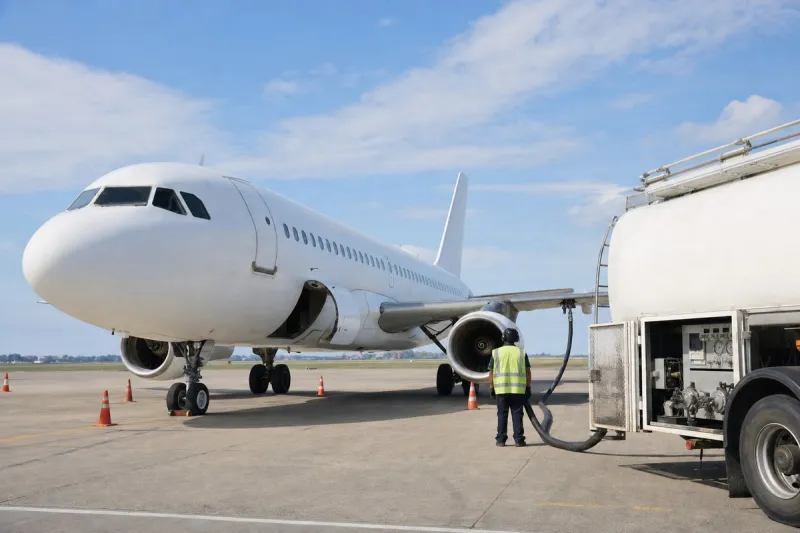
Shipments of Iranian jet fuel to Myanmar were declared as diesel. In December 2025, the US-sanctioned tanker Reef arrived in Myanmar's waters with about 113,000 barrels of fuel. Myanmar energy broker Dynamic Wave had signed a $15.8 million contract with Thai company Tawan-Oil Trading for purportedly South African diesel. UN and Vortexa data recorded no trade in such fuel between South Africa and Myanmar in 2025. Shipping records, satellite imagery and SynMax Intelligence analysis indicate that Reef delivered jet fuel.
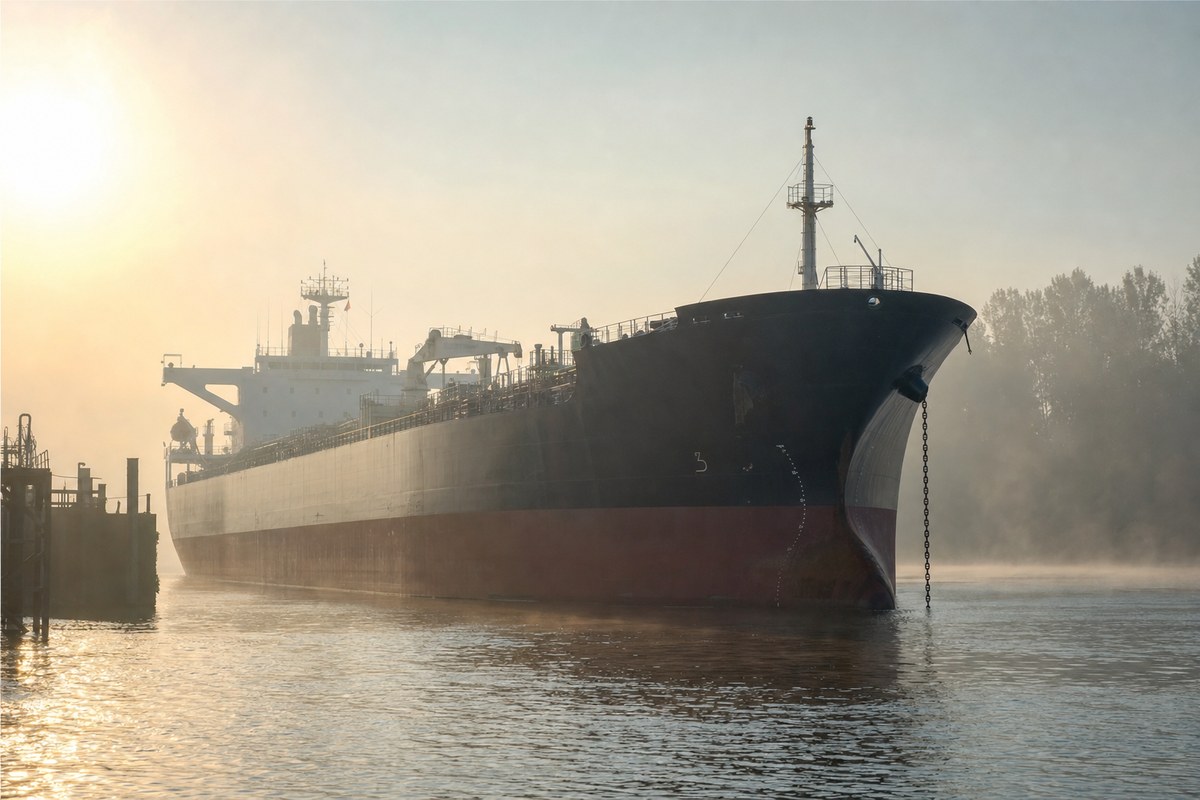
Several days before Reef's arrival, Myanmar's currency regulator told a Dynamic Wave client that it would issue import documents listing the cargo as diesel rather than jet fuel. The letter, dated November 30 and provided by the organization Justice for Myanmar, did not explain the labeling. It also authorized Dynamic Wave and National Energy Prime Aviation Services Company, which is partly owned by Myanmar's military-backed government, to pay Tawan for the shipment.
In May 2025, Dynamic Wave signed another contract with Tawan for 202,000 barrels of purportedly South African diesel worth $26 million, with funds to go to Tawan's account at Siam Commercial Bank. The bill of lading contained discrepancies: the fuel density matched jet fuel specifications, and the price was more than 50% above the global diesel benchmark. On June 17, 2025, the tanker Noble entered Yangon carrying just under 200,000 barrels of jet fuel for Dynamic Wave; SynMax Intelligence determined from satellite imagery that the cargo had also been loaded in Bandar Abbas.
In 2023, the United States imposed targeted sanctions on Myanmar's jet fuel sector, and buyers of Iranian oil and fuel may also face broad US sanctions. Iran was the main supplier of jet fuel to Myanmar's military from October 2024 to December 2025.
Industry impact & what to watch
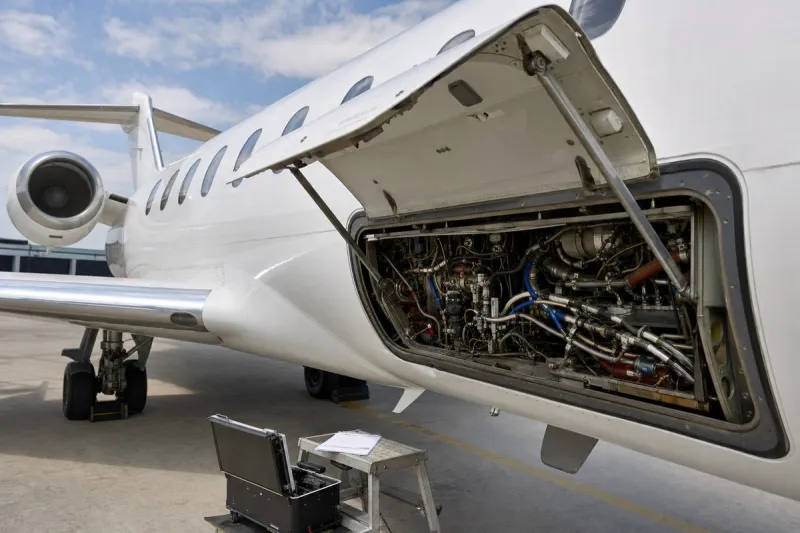
Jet fuel and diesel are close enough in refining terms that a mislabeled cargo can pass for the other grade on paperwork alone. What exposes the substitution is physical and commercial data: a density reading that matches jet specifications, a price well above the diesel benchmark, a loading port that does not fit the declared origin, and trade statistics that show no corresponding flow. For fuel suppliers, traders and banks, a contract that names an unusual origin for a commodity is only as reliable as the independent records that can confirm the movement.
The case also shows how sanctions exposure travels through intermediaries. The contracts ran between a Myanmar broker and a Thai trading company, with payment routed to a Thai bank account, so the Iranian and Myanmar ends of the chain were separated from the parties on the invoice. Under the 2023 US measures on Myanmar's jet fuel sector, and with buyers of Iranian oil and fuel potentially facing broad sanctions, any party in that payment chain carries compliance risk even without direct contact with the supplier.
The response of the named parties is the next signal to follow. Dynamic Wave, its client and representatives of Myanmar's military government had not commented, and whether Tawan-Oil Trading or Siam Commercial Bank address the contracts will show how the payment side of these shipments is treated.