Washington Dulles to Build 37,000-Square-Foot VIP Terminal for Commercial Airline Passengers
Why It MattersA premium terminal for airline passengers shows airports pursuing high-yield travelers beyond private aviation, under long-term concession models that put development and operating risk on a specialist operator.
What happened
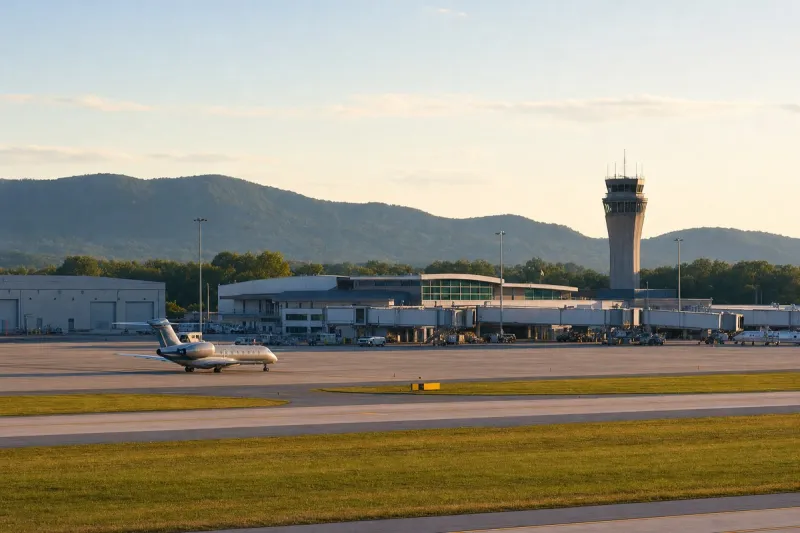
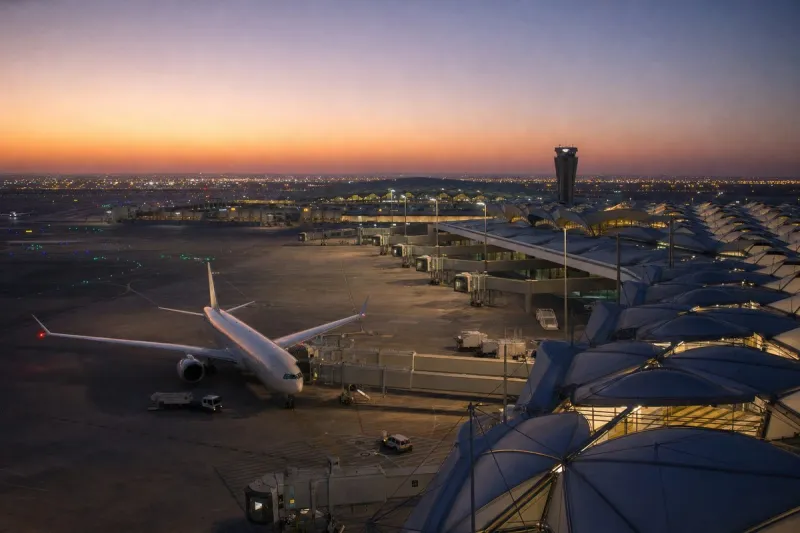
Washington Dulles International Airport will add a 37,000-square-foot VIP terminal for passengers flying on any commercial airline, with private screening and transfers to the gate. The facility will be the first of its kind at any airport in the Washington area. Unlike a private jet facility, it will offer commercial passengers a premium option to board or disembark at Dulles.
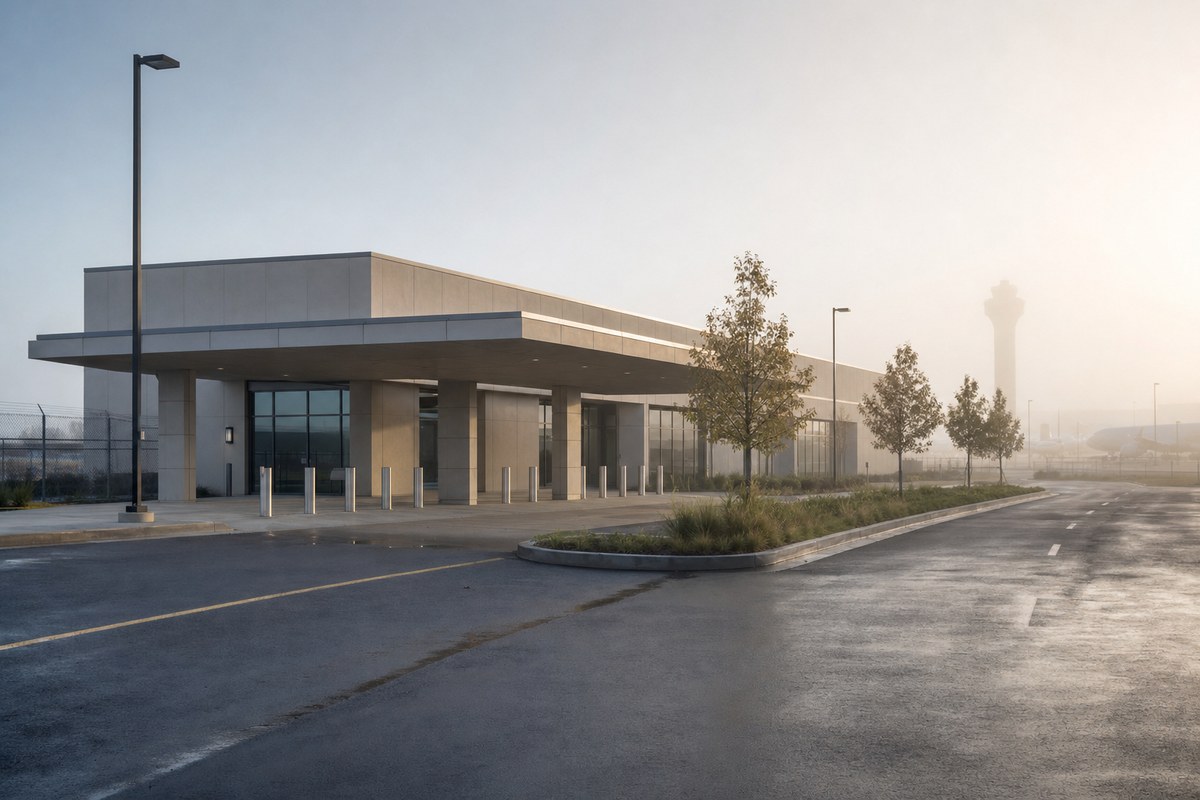
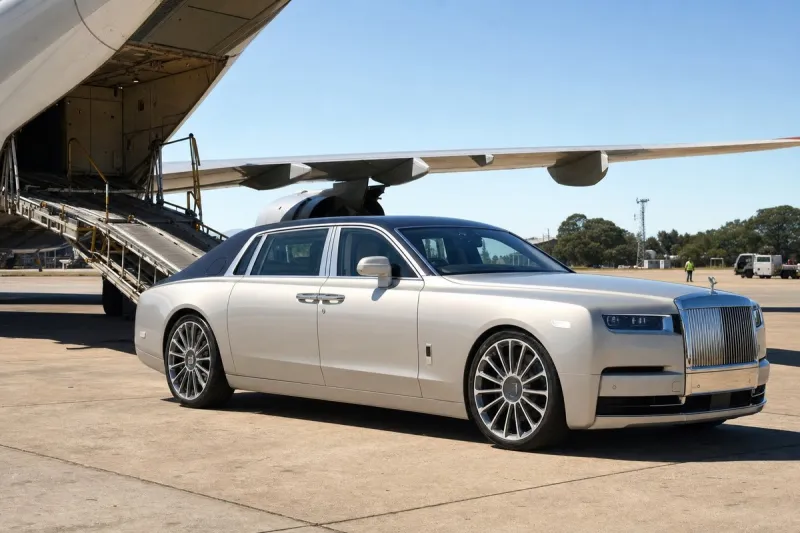
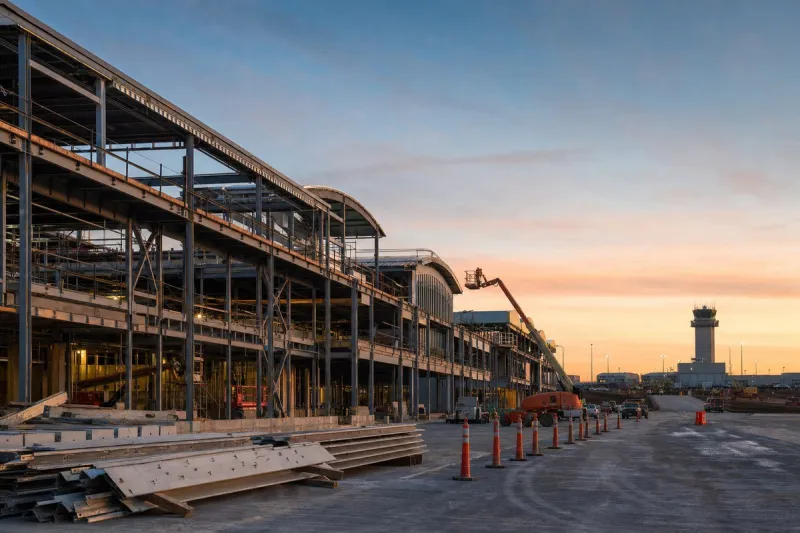
The terminal will be built on a 1.2-acre site near the airport's cargo building, north of the main terminal. Services will include a dedicated VIP parking area and entrance separate from the main terminal, and private security screening for domestic and international travelers. Suites, lounges and amenities will be separate from other airport concourses, and passengers will get personalized check-in, baggage handling and premium vehicle transport directly to the gate and aircraft.
daa International will develop the terminal over a 30-month period and, once it opens, operate and manage it for an initial 20-year term. The cost to use the facility has not been announced.
Chryssa Westerlund, executive vice president and chief revenue officer of the Metropolitan Washington Airports Authority, said the terminal reflects a commitment to giving passengers options and responds to traveler demand. daa International CEO Nick Cole said the company was honored to be selected for the project.
Industry impact & what to watch
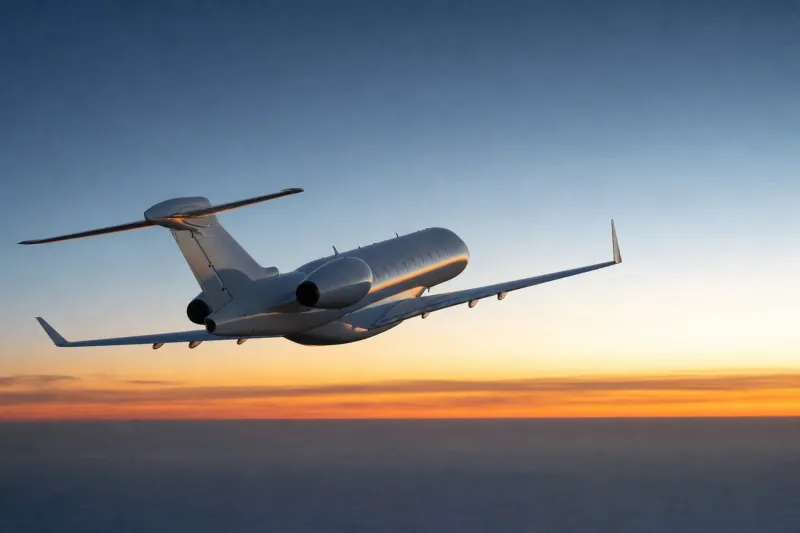
A VIP terminal that serves ordinary airline tickets sits between two established products: the private-jet FBO and the airline lounge. It sells the ground experience of premium travel, private entry, private screening and a car to the aircraft, without requiring the passenger to own or charter an aircraft. For airports, that is a way to earn revenue from the highest-spending commercial travelers, and a concession arrangement lets a specialist operator carry the build and the running of the facility.
The 30-month development period and the 20-year operating term show how such projects are structured: a long build followed by a long concession, which ties the operator's returns to sustained demand from premium passengers. Whether that demand supports the model at Dulles will depend on pricing, which has not been announced.
The next milestone to settle is the fee passengers will pay to use the terminal. That figure will indicate whether the service targets a narrow top tier of travelers or a wider premium segment.