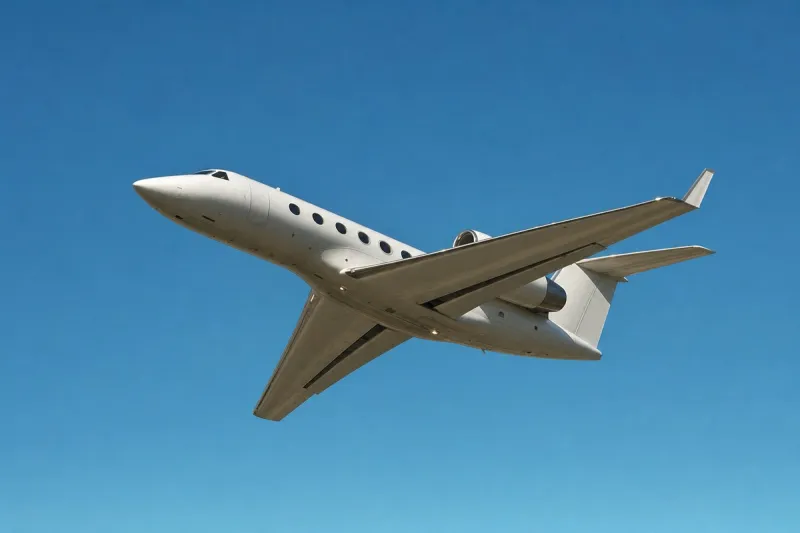
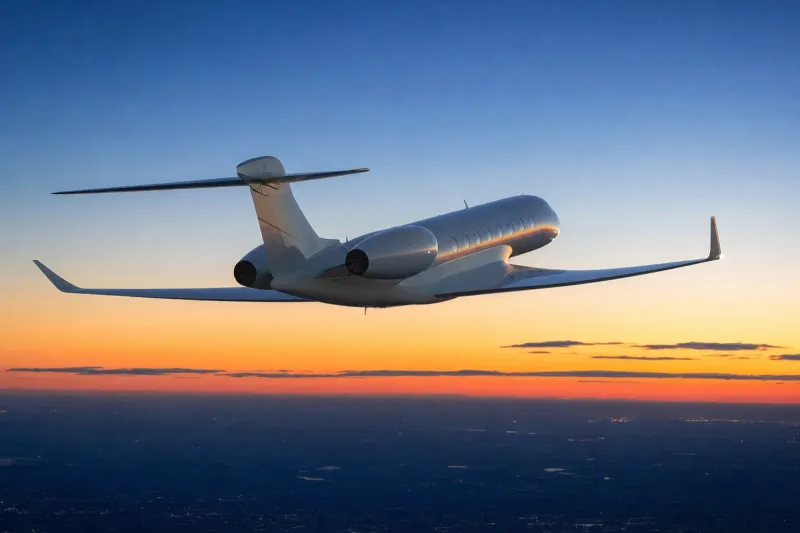
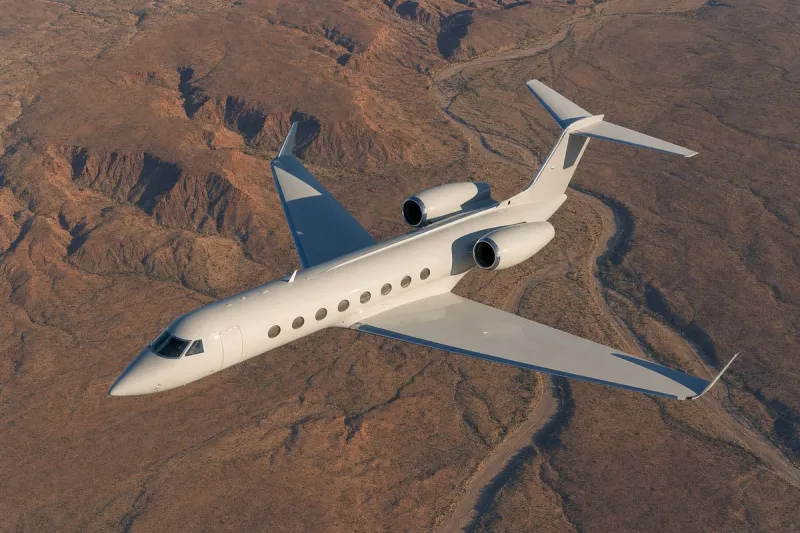
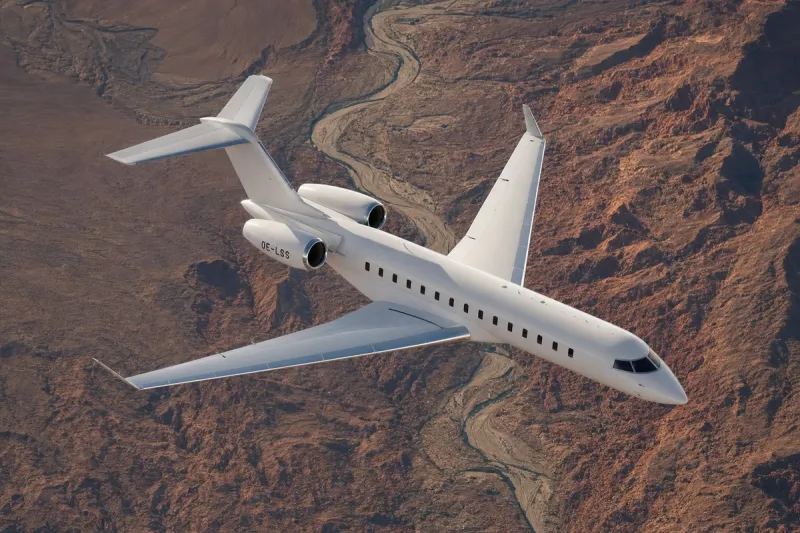
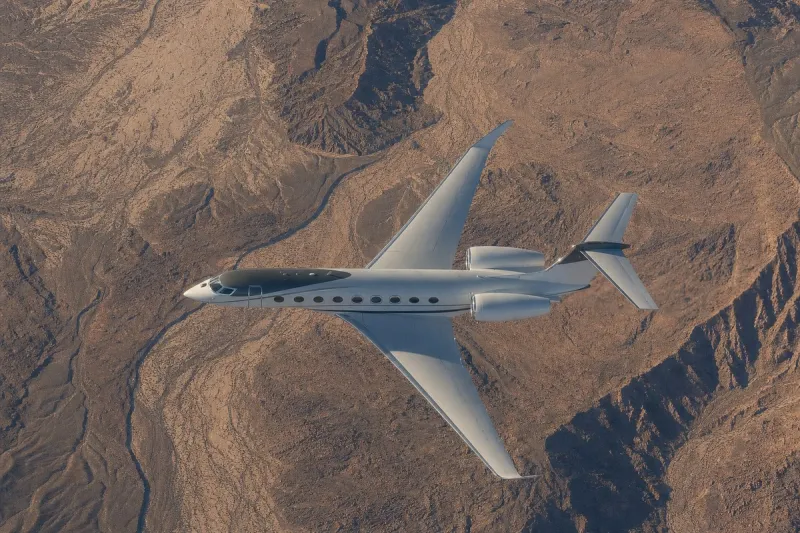
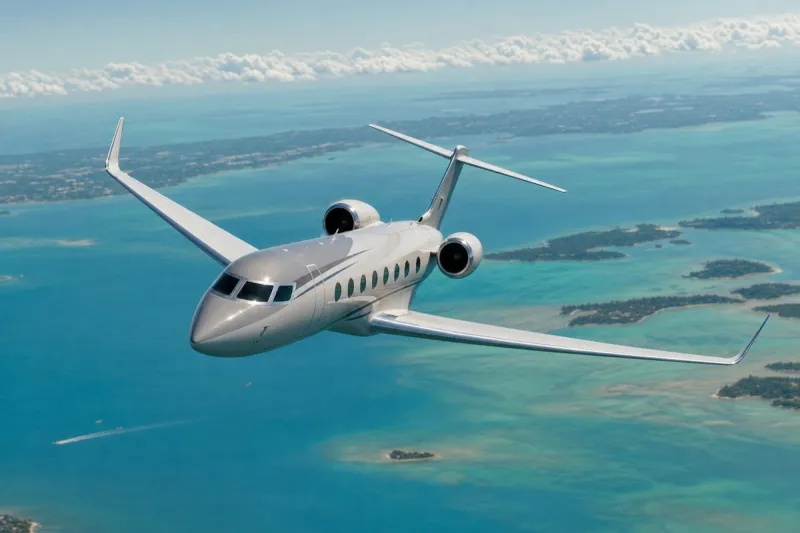
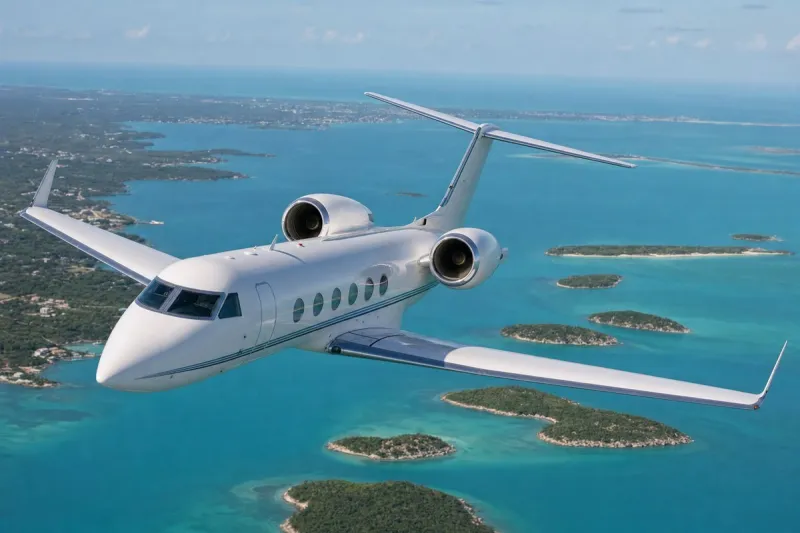
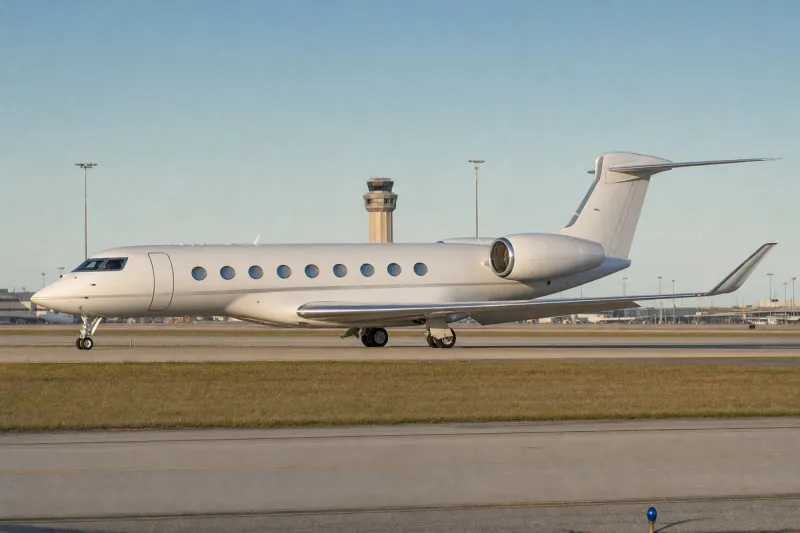
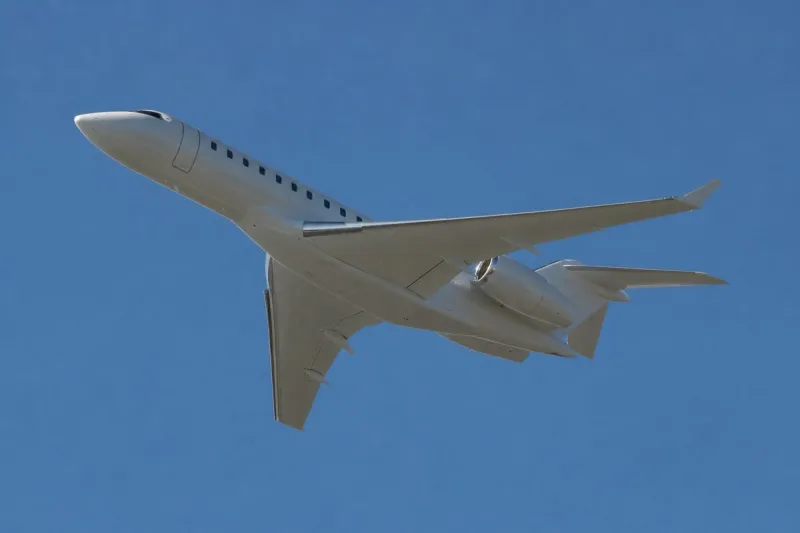
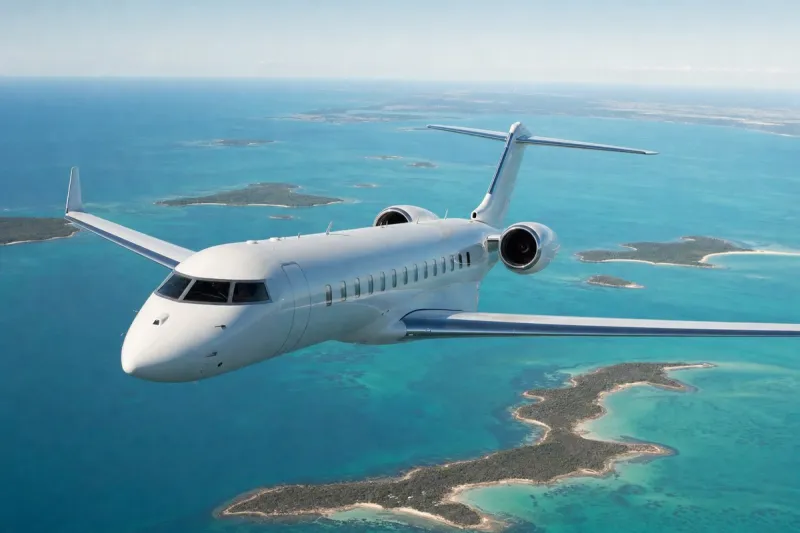
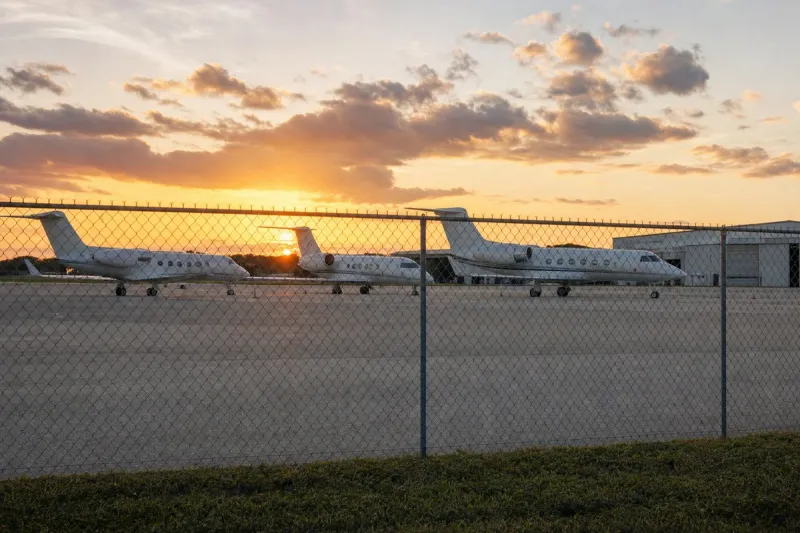
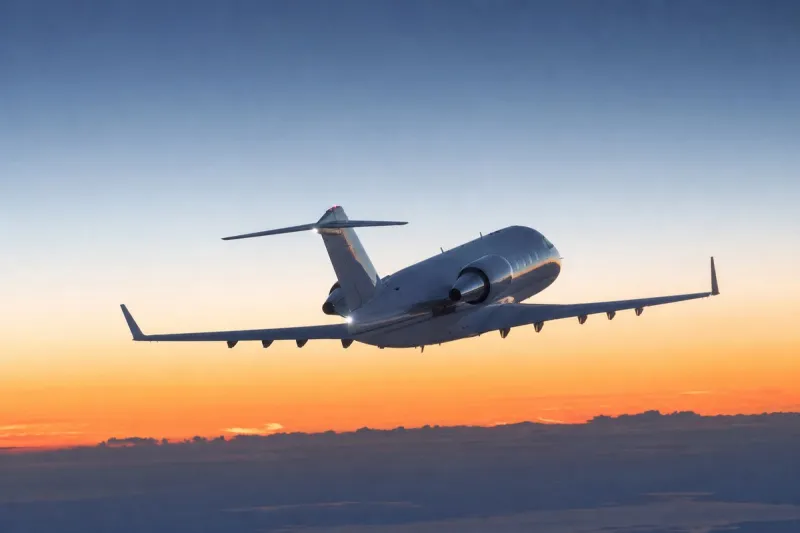
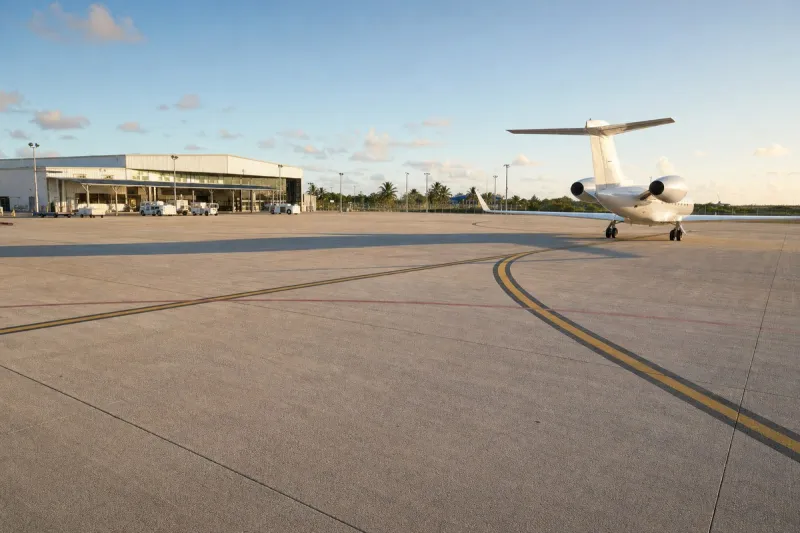
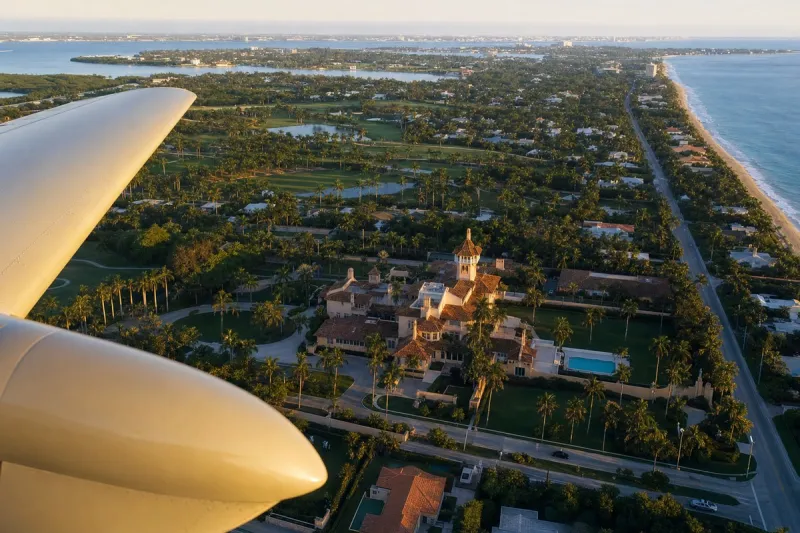
Musk's Gulfstream G650ER N628TS Flies Austin to Los Angeles in 2 Hours 32 Minutes
Why It MattersFrequent point-to-point runs between Austin, the Bay Area and Los Angeles show how a multi-aircraft Gulfstream fleet is scheduled around repeated corridors, with fuel burn and emissions following directly from that utilisation.
What happened
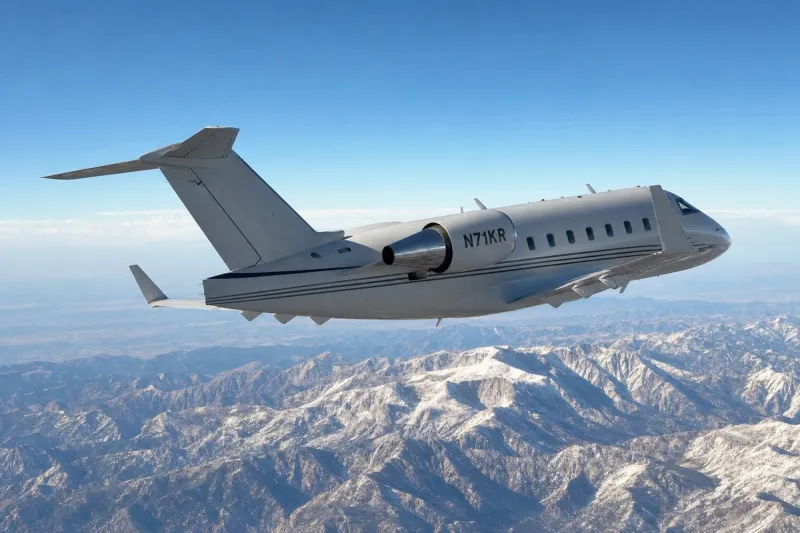
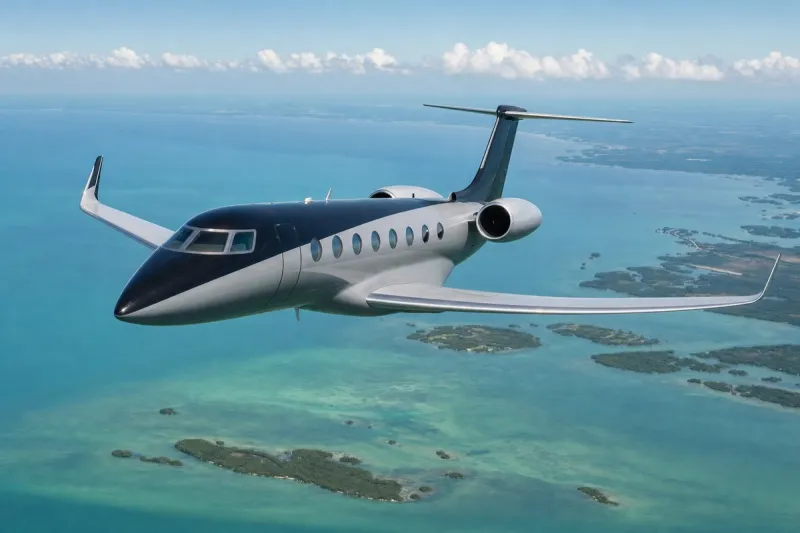
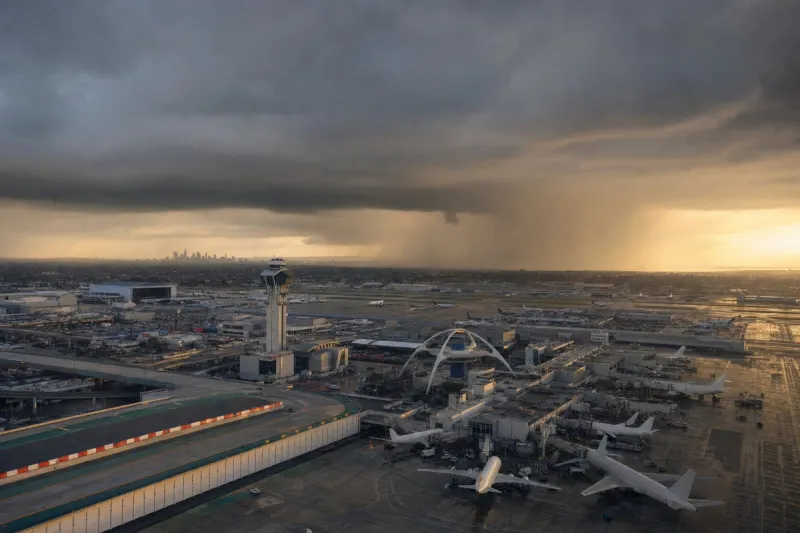
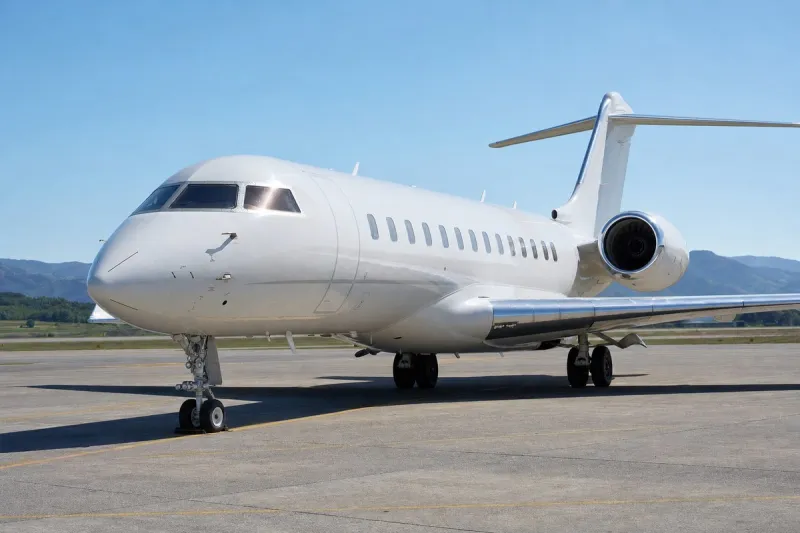
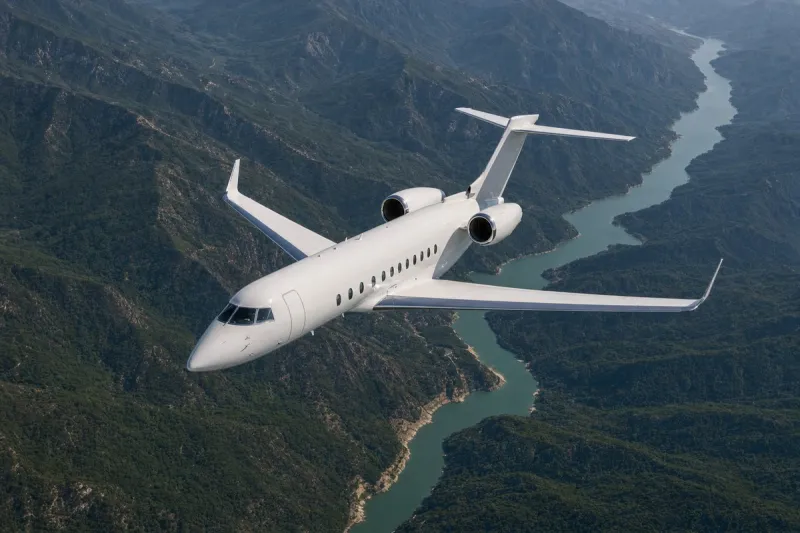
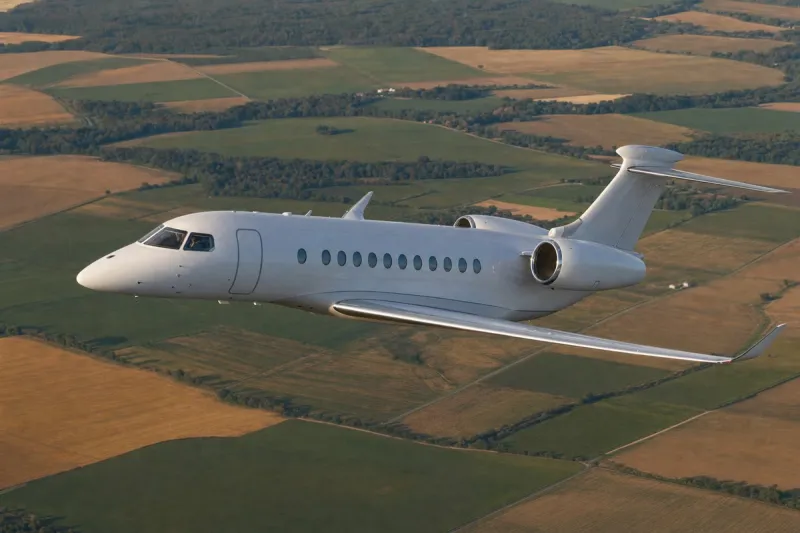
Gulfstream G650ER N628TS, the aircraft linked to Elon Musk, landed at Los Angeles International Airport on October 24, 2026, after flying from Austin. It departed at 19:45 UTC and landed at 22:17 UTC, a flight time of 2 hours 32 minutes over 1,072 nautical miles, about 1,234 miles or 14 percent of the aircraft's total range.
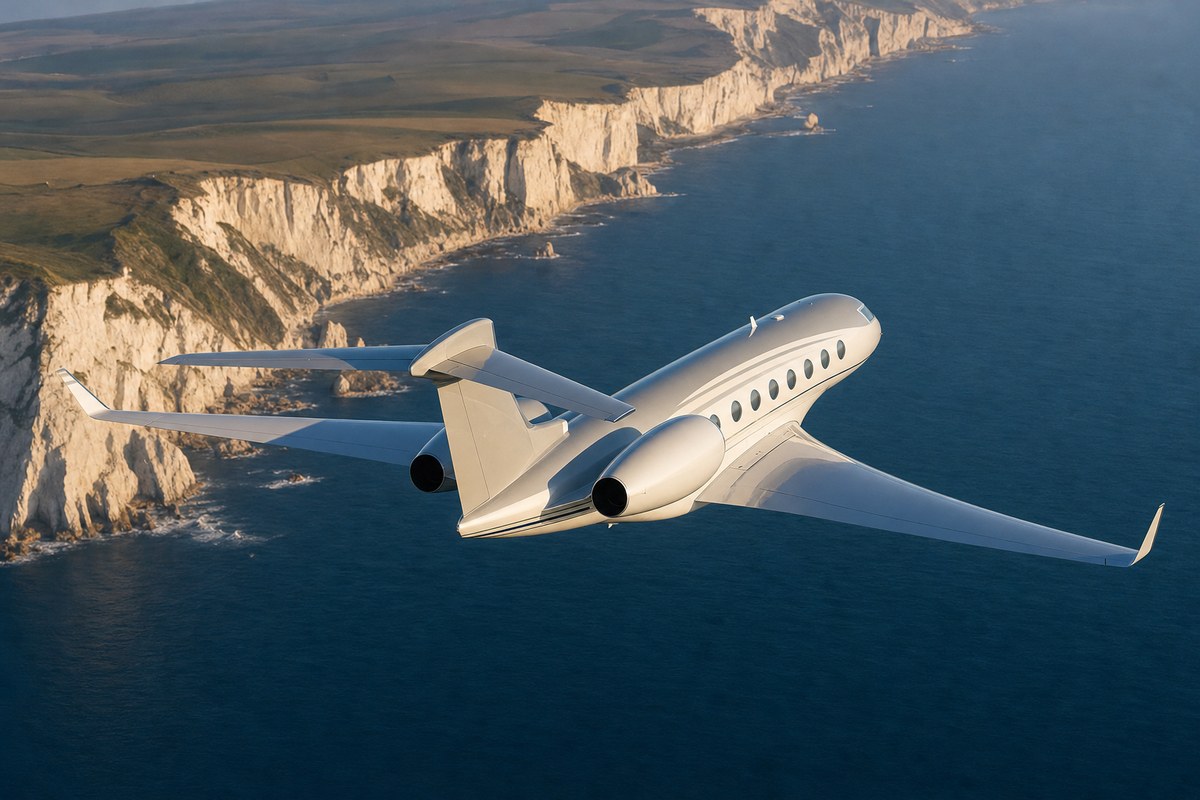
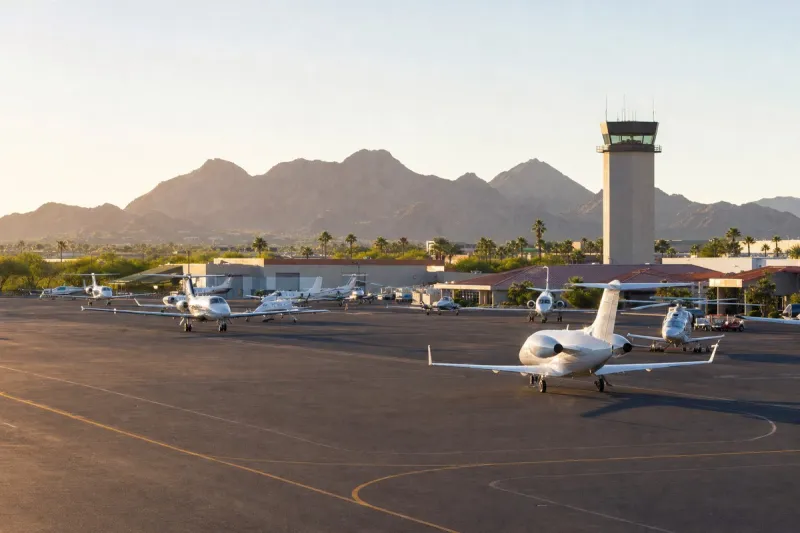
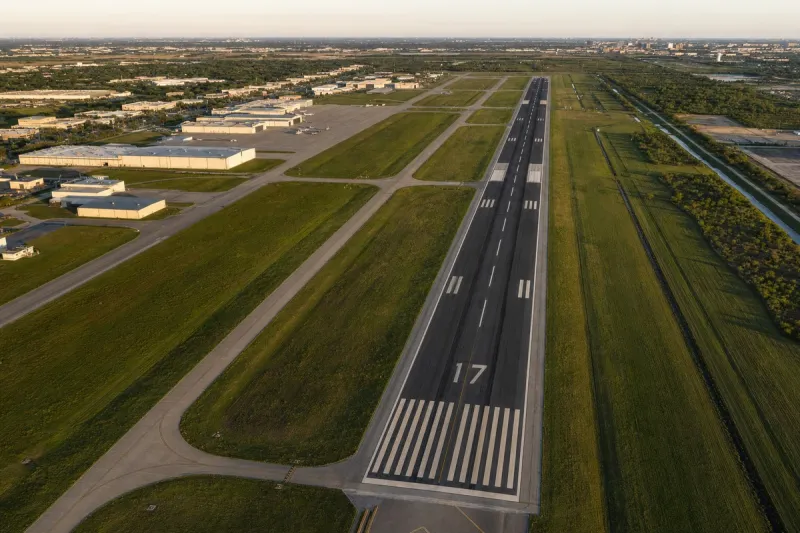
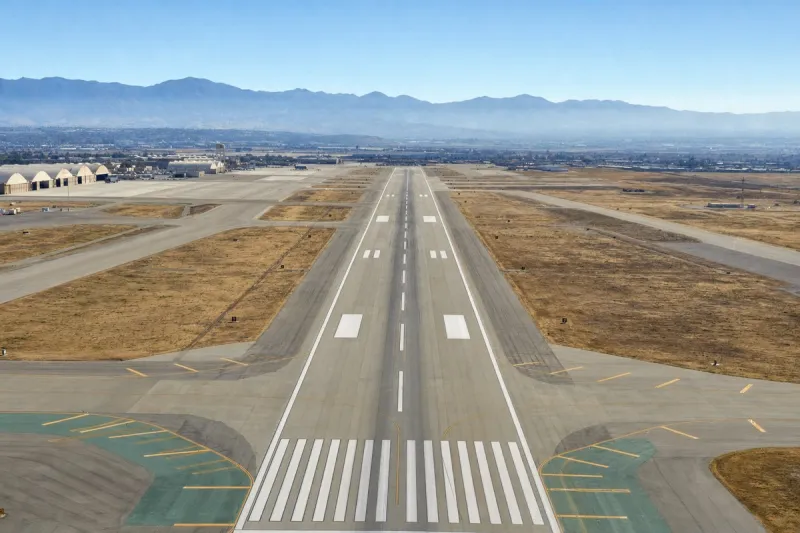
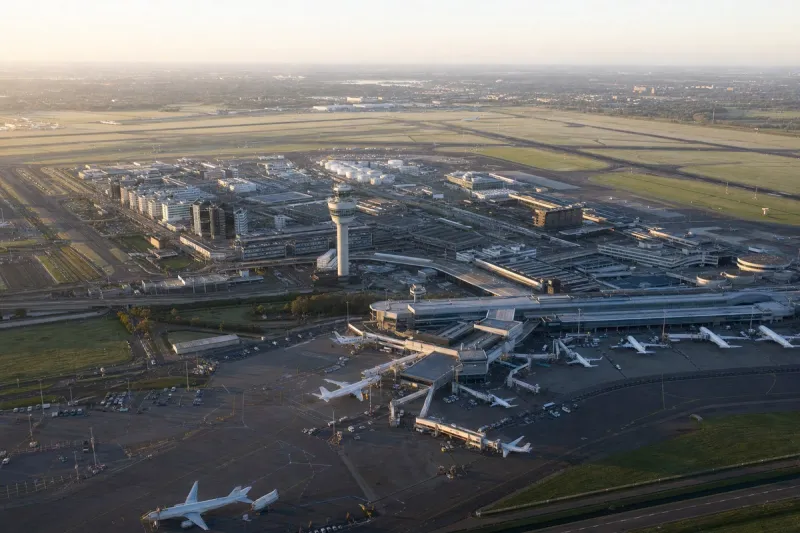
The jet averaged a ground speed of 424 knots and reached a top speed of 524 knots at a maximum altitude of 36,025 feet. It burned an estimated 1,190 US gallons of fuel, producing about 11.4 metric tons of CO2, roughly equal to driving a car 28,287 miles. Austin Bergstrom's longest runway is 12,250 feet at 542 feet elevation; Los Angeles International's is 12,894 feet at 125 feet elevation. The distance from the home base on file to Los Angeles is 1,077 nautical miles.
This was the eighth landing at Los Angeles by any of the owner's aircraft in the tracking window from October 8 to October 23, 2026, and Los Angeles was the most common destination in that window, with seven landings. The previous Los Angeles landing came on October 21 by a Gulfstream G450, tail N450GG. In the 24 hours before this landing, a Gulfstream V operated by Caesars also landed at Los Angeles.
The flight ended a four-day layover at Austin, which followed a brief trip to Matamoros on October 20. The owner's aircraft have been shuttling between Austin, the Bay Area and Los Angeles.
In the 30-day tracking window, the longest leg by any of the owner's aircraft was a 4,716 nautical mile flight from Luton to Los Angeles on October 16, 2026, flown by a Gulfstream G550, tail N272BG. The owner's five Gulfstreams, held through Falcon Landing LLC, made 39 flights covering about 44,796 nautical miles in that window. In 2024, the owner's aircraft made 355 flights totaling about 881 hours. The tail number N628TS is a reference to Musk's June 28 birthday, and a new Gulfstream G800, tail N8628, delivered in February 2025, carries the same birthday in its tail number.
Industry impact & what to watch
A 1,072 nautical mile sector uses only 14 percent of a G650ER's stated range, so this leg shows the aircraft working far below its capability. Ultra-long-range jets flown on short domestic corridors are common among principals with several aircraft, where tail selection depends on availability and positioning as much as on range. Seven Los Angeles landings in a 16-day window across the owner's fleet show how one user can concentrate demand on a single airport.
The emissions and fuel figures give the segment a concrete reference for the cost of that choice: about 1,190 US gallons and 11.4 metric tons of CO2 for a two-and-a-half-hour sector. Per-flight numbers like these are what sustainability reporting and offset programmes for private aviation are built from, and they scale directly with the 39 flights logged in a 30-day period.
For the next data point, the tracking window itself is the guide: whether Los Angeles keeps its lead as the most common destination, and whether the Austin-Bay Area-Los Angeles routine holds, will show up in the next set of logged legs.