Solomon Lew's Global 7500 Logs 6,455-Mile, 12-Hour-53-Minute Flight From Melbourne Area to Dubai Among 93 Tracked Private Flights
Why It MattersUltra-long-range cabins turn single sectors into the main driver of private aviation's daily carbon output, so a handful of intercontinental flights outweigh dozens of shorter hops in fleet-level emissions reporting.
What happened
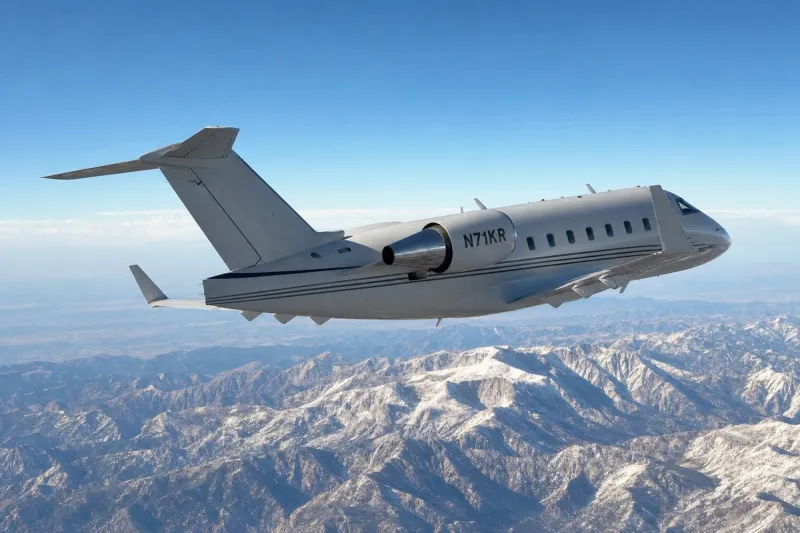
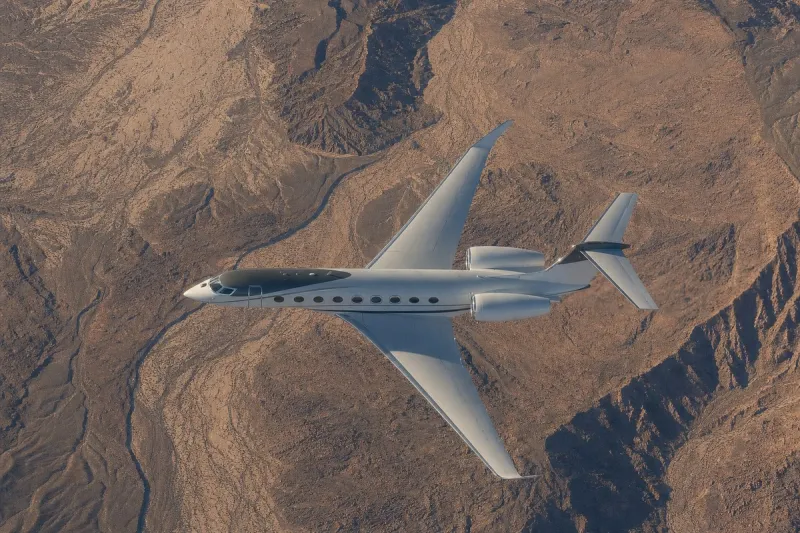
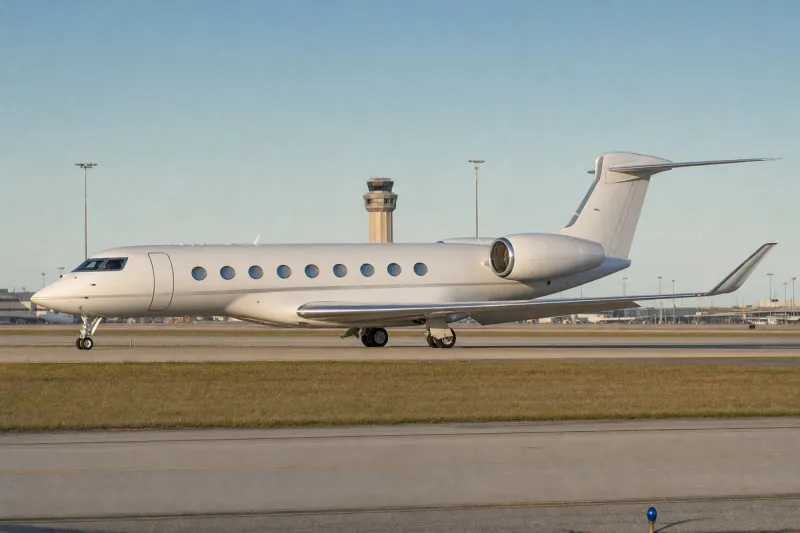
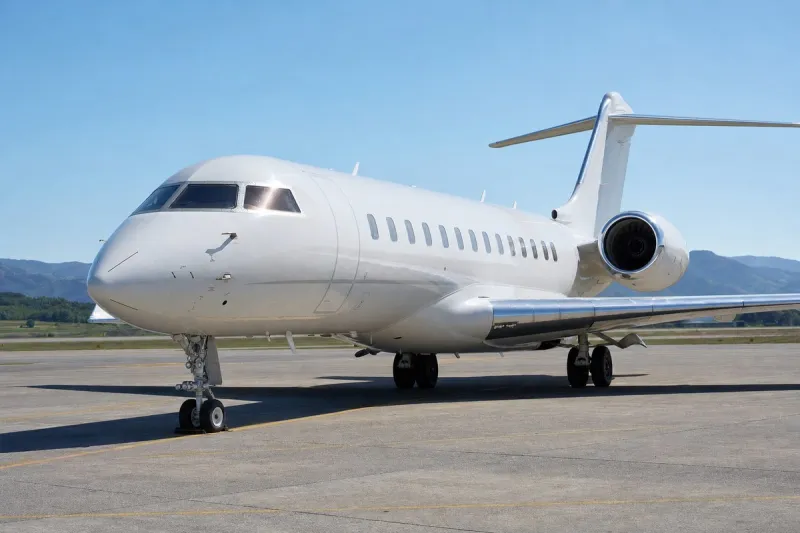
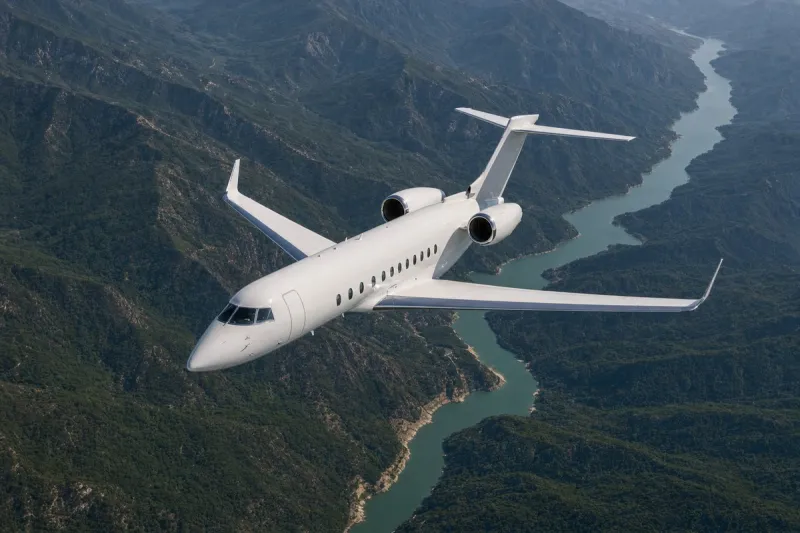
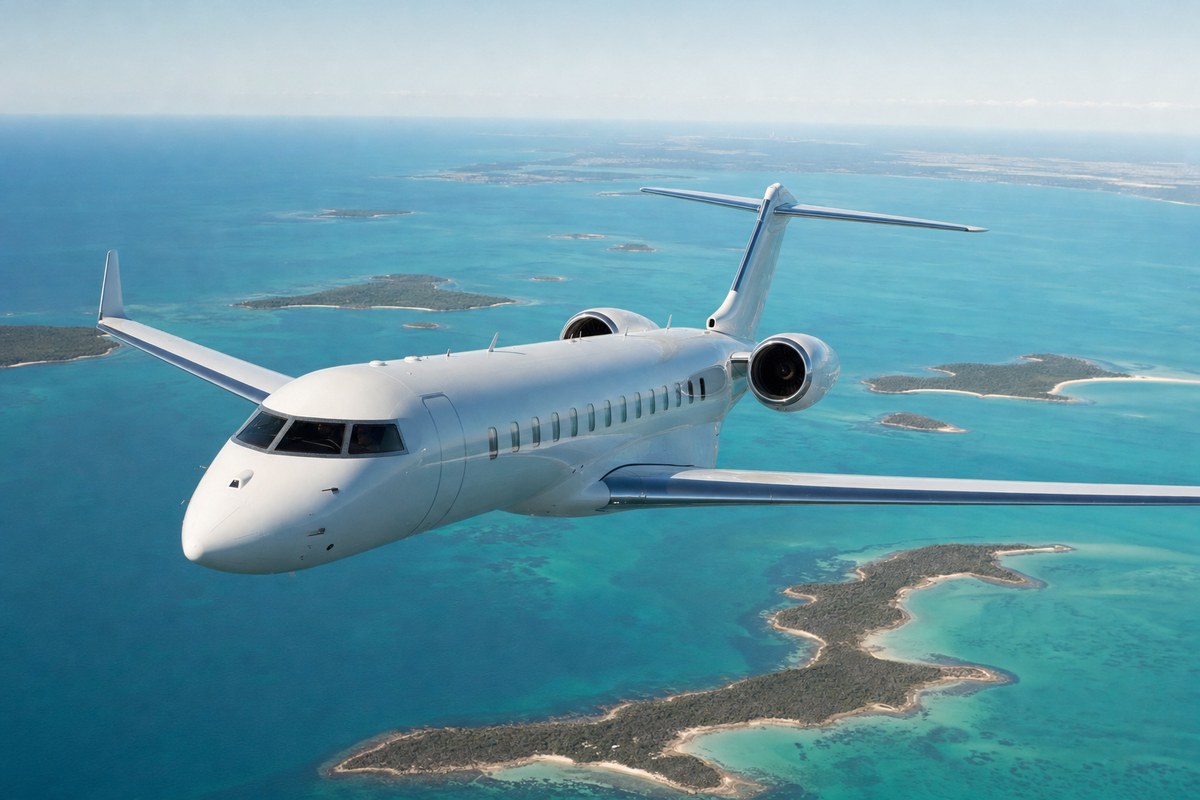
A Bombardier Global 7500 (VH-8LA) linked to Australian retail billionaire Solomon Lew flew 6,455 miles to Al Maktoum airport (DWC) in Dubai in 12 hours 53 minutes on October 25, 2026 (UTC). That made it the longest flight by time aloft among 93 tracked private flights that day, and the day's largest single emitter at 55.7 metric tons of CO₂. The Melbourne origin appears in the source's headline and text; its departure label is garbled and shows only as "-31.08°". No public appearance was tied to the flight.
Across all tracked flights, aircraft covered 74,260 miles over 165.6 hours and produced 616.8 tonnes of CO₂. Los Angeles International Airport (KLAX) was the busiest destination, with three arrivals.
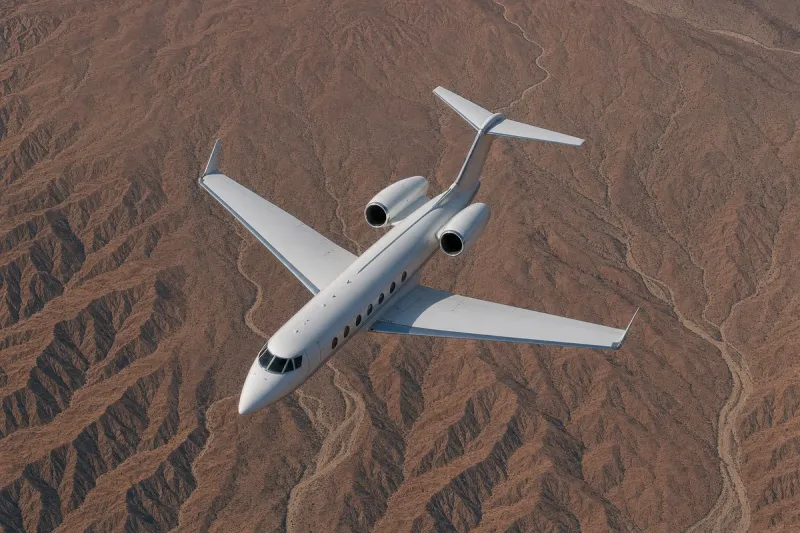
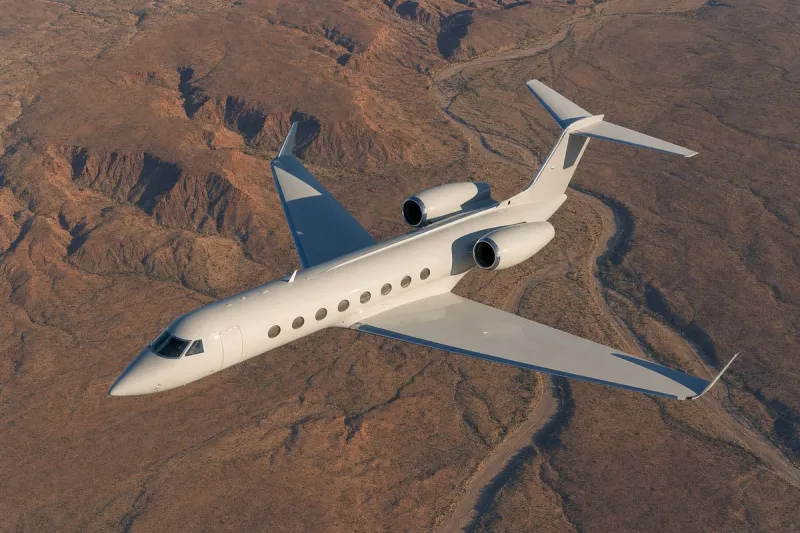
Several other long sectors were logged. Kim Kardashian's aircraft N1980K flew 6,351 miles nonstop from Rome Ciampino to Los Angeles in 12 hours 19 minutes, adding 55.6 tonnes of CO₂. Bill Gates's Gulfstream G650ER N887GV flew 5,362 miles from North Weald Airfield in England to San Jose in 10 hours 12 minutes, and Jon Shirley's Dassault Falcon 7X N74JK flew 4,976 miles from Paris-Le Bourget to Seattle Paine Field in 10 hours 22 minutes.
Shorter legs included Stryker's Bombardier Global 5000 N625SC from Anchorage to Teterboro in 6 hours 22 minutes, and Steve Ballmer's N709DS from Kona to Boeing Field in 4 hours 48 minutes. Reliance Industries' Bombardier Global 6000 VT-PRI was tracked airborne over the Mediterranean after departing Vienna International Airport, following a 5-hour-55-minute flight from Mumbai.
Industry impact & what to watch
The day's numbers show how unevenly private-jet emissions are distributed. Two flights, the Global 7500 to Dubai at 55.7 tonnes and the Kardashian aircraft from Rome at 55.6 tonnes, together account for 111.3 of the 616.8 tonnes recorded, from just two of 93 flights. In the ultra-long-range segment, fuel burn scales with sector length, so a few intercontinental legs dominate any aggregate tally.
That is also why aircraft type matters commercially. Cabins built for 12-hour nonstop sectors, such as the Global 7500, let owners skip fuel stops on city pairs like Melbourne to Dubai or Rome to Los Angeles, which is the capability that draws out these flights. Daily tracking of this kind makes the emissions profile of the top end of the market visible in a way fleet-wide averages do not.
The tracked figures describe a single day and a tracked subset of flights, so they say little about trend. A comparison against other days' totals from the same source would show whether October 25 was typical or unusually long-haul heavy.