Riyadh's King Khalid International Airport Closed After Houthi Missile Attack; Events Postponed and Flights Suspended
Why It MattersA prolonged closure of a primary national gateway shifts traffic to secondary airports and neighbouring Gulf hubs, and shows how security risk can quickly undercut a kingdom's event-driven investment and travel strategy.
What happened
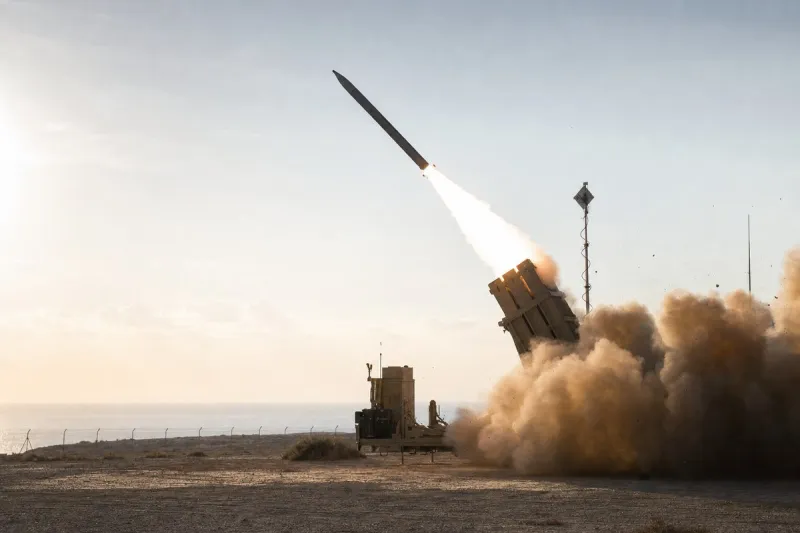
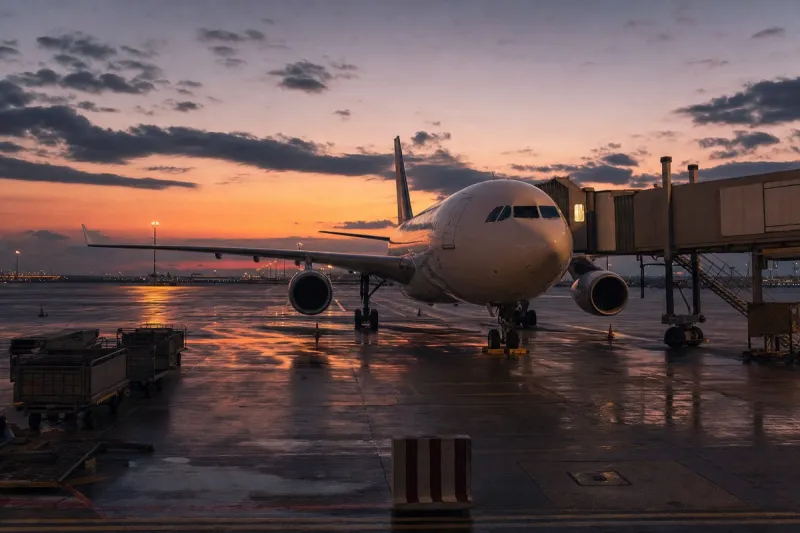
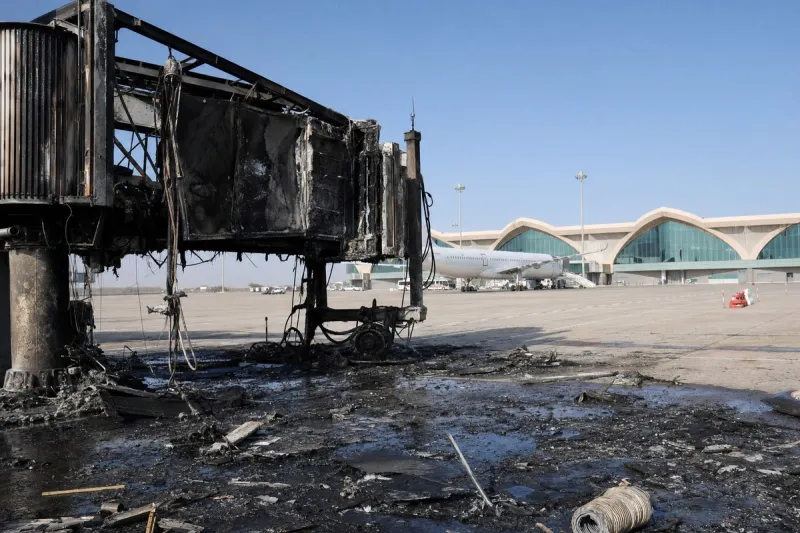
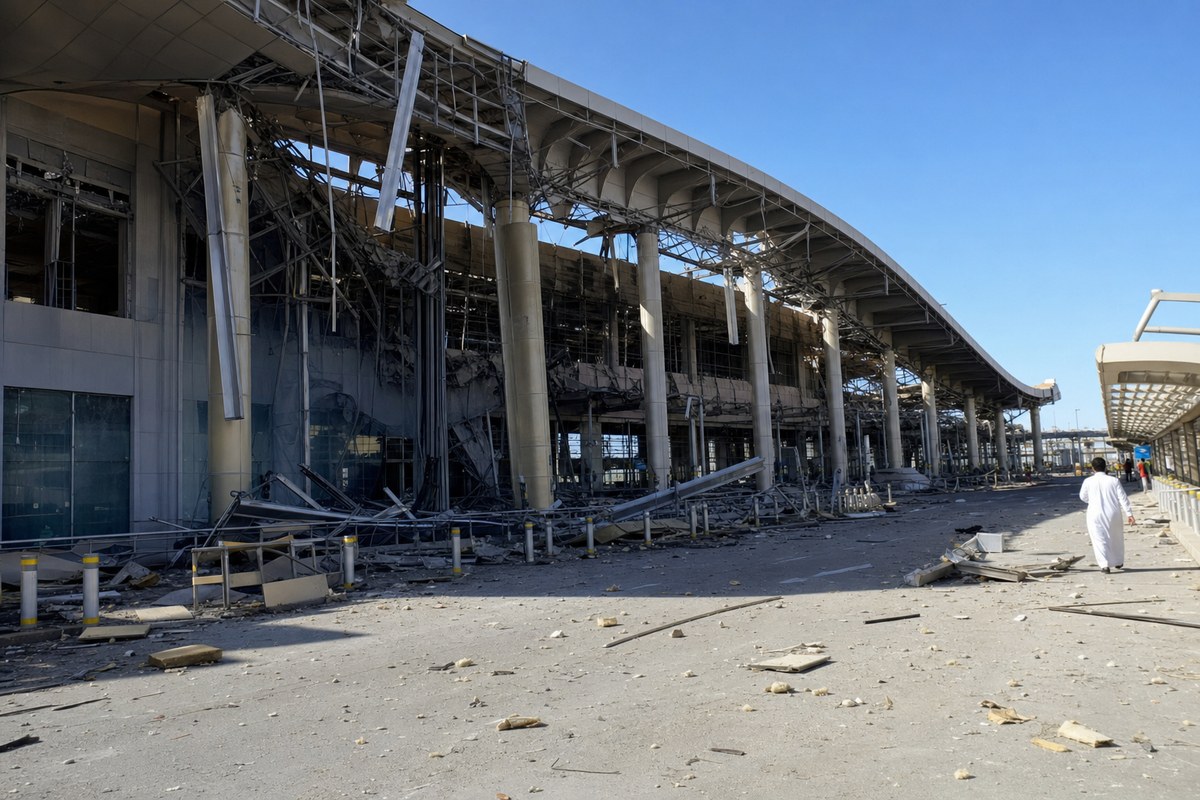
Flights in and out of King Khalid International Airport in Riyadh have been suspended since a Houthi (Ansar Allah) missile attack on October 10 killed 13 people and destroyed large portions of the airport building. It is described as the deadliest such attack so far, and it followed days of large-scale Houthi attacks. Saudi authorities have offered no official comment on a possible reopening of the airport.
The finance conference known as the "Davos of the Desert," scheduled to open on October 26, has been postponed to an undetermined date in 2027. The Gulf-EU summit, the Six Kings Slam exhibition tennis tournament, Riyadh Fashion Week and the Red Sea Film Festival in Jeddah have also been cancelled or postponed.
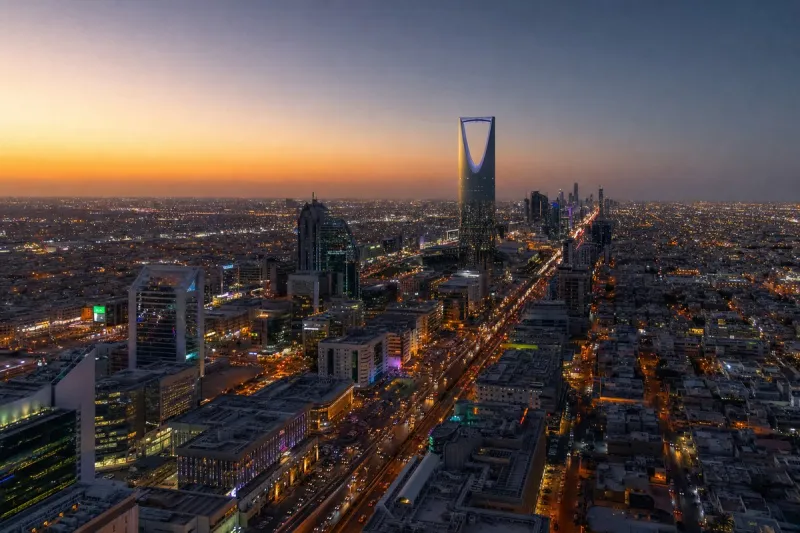
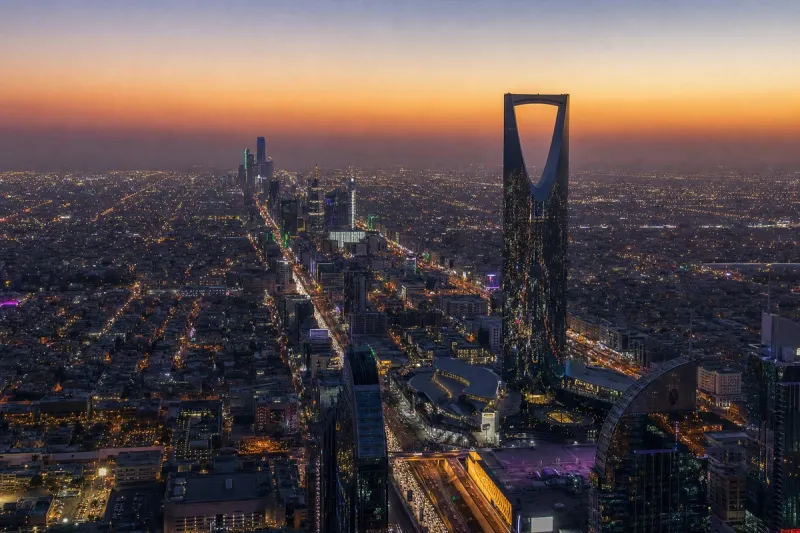
Government offices have ordered work from home, a policy that has spread to the 99-story Kingdom Center, the regional headquarters of the International Monetary Fund, and to other organizations. Airlines are promoting alternative airports in the kingdom, and some companies are chartering buses to take employees to airports in Bahrain or Qatar where flights are available. One Riyadh resident described a flight to Taif being diverted twice, first to Jeddah and then onward to Al-Qassim, about three hours from Riyadh.
Dubai-based aviation expert Desmond Ross, a former pilot and air traffic controller, said flights cannot continue when missiles are fired near where aircraft take off or land. Some Western embassies have warned citizens about the risks of traveling to the kingdom, and others have advised against non-essential travel. Saudi Minister of Human Resources and Social Development Ahmad bin Sulayman al-Rajhi said, "We are safe, with God's help," at a Riyadh conference.
Industry impact & what to watch
A capital-city airport going dark for an extended period exposes how much of a Gulf state's aviation activity rests on a single gateway. Demand does not vanish; it reroutes. Airlines pushing alternative Saudi airports, and companies busing staff to Bahrain or Qatar, show traffic leaking to neighbouring hubs and to secondary fields that were not built to absorb a capital's volume. For business aviation, that kind of displacement typically falls on the remaining runways, slots and ground handling capacity nearby.
The event calendar is the second channel. Conferences, summits and sporting and cultural events are a large part of what draws visitors and private flights into Riyadh, and postponing the October 26 finance conference to 2027 removes a dense block of premium travel demand. The effect reaches past aviation to the investment and diversification push that the kingdom has tied to those events, and embassy travel advisories add a further drag on corporate travel decisions.
The decisive signal is an official statement from Saudi authorities on a reopening, which none has yet given. Any dated reopening plan, and any change in the embassy advisories, would show whether this is a short interruption or a longer reordering of how travellers reach the Saudi capital.