US Reissues Travel Advisories for 13 Middle Eastern Countries Citing Houthi Threats and Aviation Risks
Why It MattersRegion-wide advisory refreshes shift the baseline for insurers, corporate travel policies and flight planning across the Gulf, so routing and duty-of-care decisions get reset together rather than country by country.
What happened
The United States reissued travel advisories on October 23, 2026 for 13 Middle Eastern countries: Saudi Arabia, Bahrain, Iran, Iraq, Jordan, Lebanon, Kuwait, Oman, the United Arab Emirates, Qatar, Syria, Yemen and Israel. The advisories continue to span the four-tier U.S. system, from Level 2 "Exercise Increased Caution" to Level 4 "Do Not Travel." The reissues did not necessarily change the numerical level for every country; they refreshed the narrative risk descriptions.

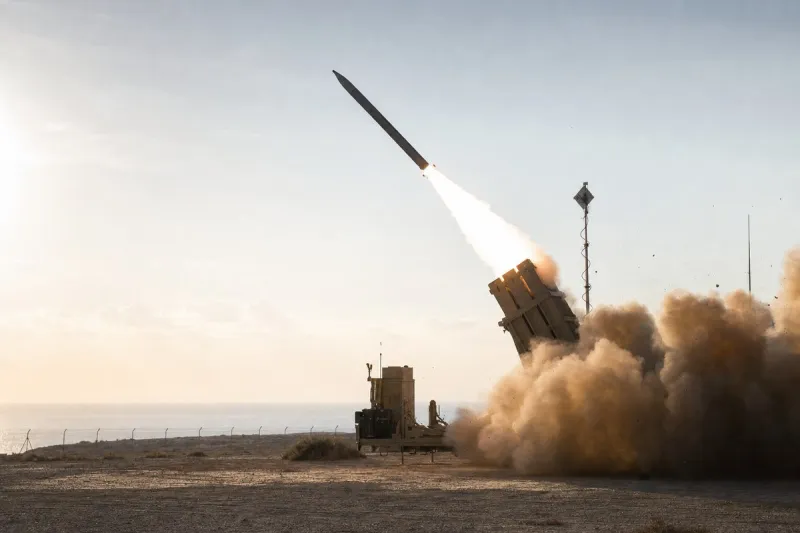
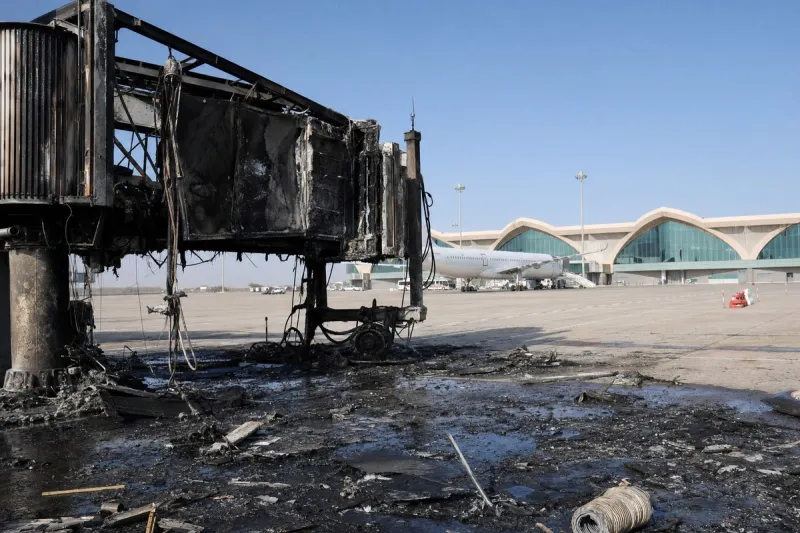
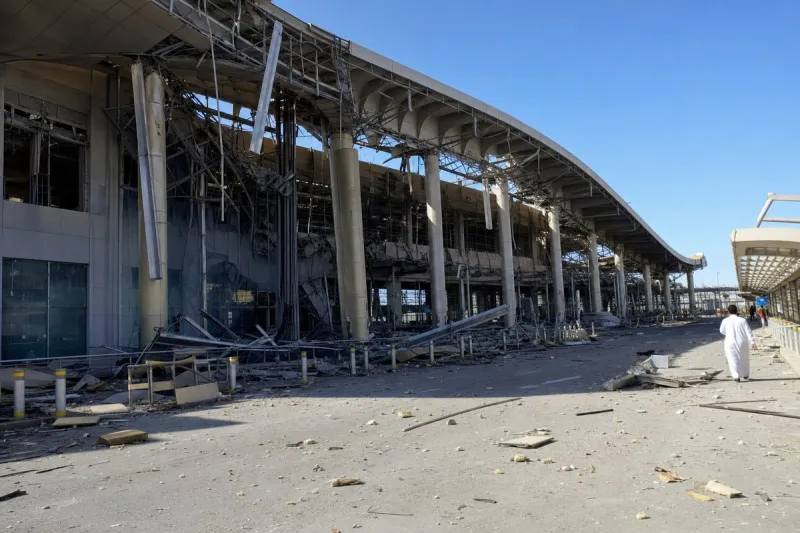
Regional reporting links the updates to a rise in attacks attributed to Houthi forces based in Yemen, including missile and drone strikes aimed at airports and urban areas in Saudi Arabia and along Red Sea corridors. A series of October attacks around Riyadh and eastern Saudi Arabia led at least one Gulf carrier to temporarily suspend flights into key Saudi gateways. In its Saudi Arabia advisory, the State Department places stronger emphasis on the risk of Houthi armed attacks and on restrictions for U.S. government personnel near the Yemeni border.
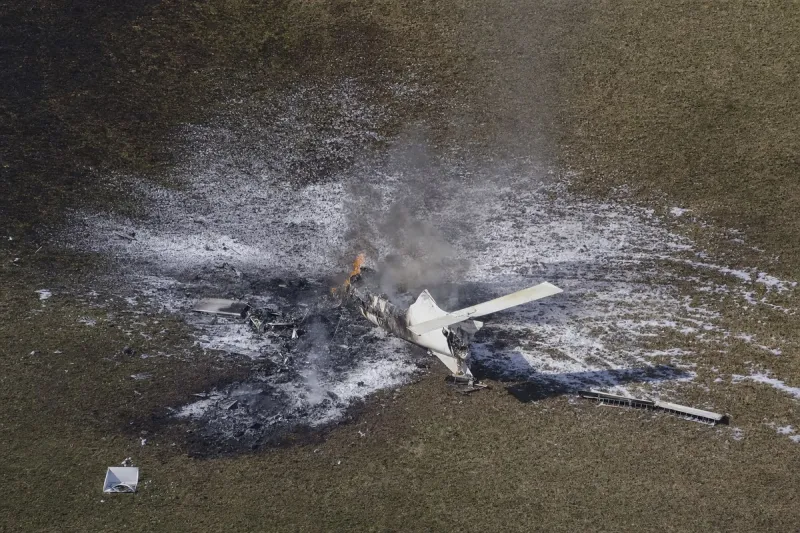
The advisories also give prominence to aviation risks, citing concerns about flights operating within hundreds of nautical miles of conflict zones, including airspace in and around Syria and the eastern Mediterranean. The Lebanon advisory references caution for civil aviation near the Damascus Flight Information Region because of military activity, and similar cautions appear for Iraq and Syria. Maritime routes in the Red Sea and Arabian Sea are also under scrutiny because of the danger from anti-ship missiles, mines and attacks on commercial vessels.
Yemen, Syria, Iraq and Lebanon currently fall under Level 4 "Do Not Travel" in many public listings. Saudi Arabia and several Gulf states have held Level 3 "Reconsider Travel" status in recent guidance, often with internal restrictions barring U.S. government personnel from specific provinces or border zones.
What the advisories ask of travelers
The advisories do not prohibit Americans from visiting most of the 13 countries outright, but call for careful planning: reviewing country pages, registering travel plans to receive security alerts, and monitoring local media and airline communications.
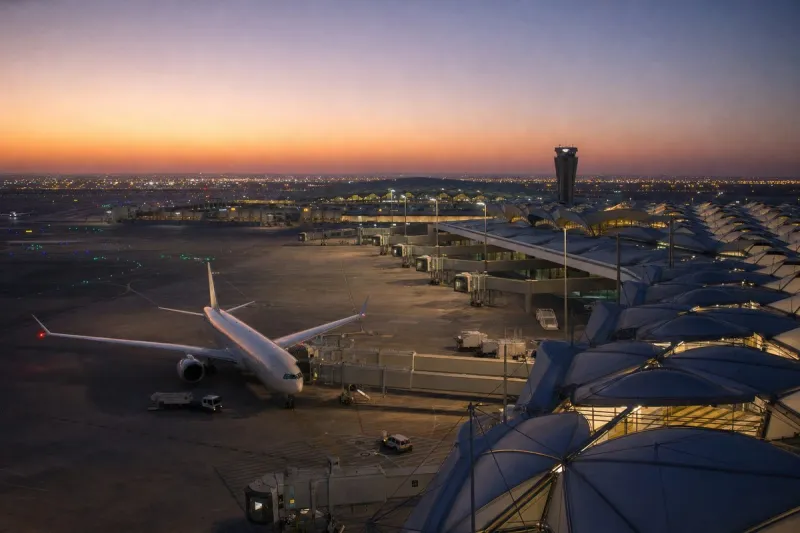
Travelers heading to hubs such as Riyadh, Jeddah, Doha, Dubai and Abu Dhabi are advised to verify itineraries shortly before departure, as diversions, extended layovers and unplanned overnight stays are described as plausible if airspace restrictions expand.
Industry impact & what to watch
A single coordinated reissue covering 13 countries works differently from a one-country change. Advisory levels can affect travel insurance coverage, tour operations and corporate travel policies, so a region-wide refresh pushes insurers, travel-management companies and flight departments to revisit assumptions for the whole Gulf and Levant at once. For business aviation, the practical consequence sits in routing and contingency planning: the advisories name airspace near Syria, Iraq, Lebanon and the eastern Mediterranean, and they flag diversions and unplanned overnights as plausible outcomes.
The Gulf hubs named in the guidance are exactly where premium and charter traffic concentrates, which is why a Gulf carrier's temporary suspension of flights into Saudi gateways matters beyond that one airline. When scheduled capacity pauses, demand tends to shift toward alternatives, and those alternatives inherit the same airspace and security questions.
Further revisions are possible if conflict dynamics shift. The signals that would settle the direction are the next Saudi Arabia advisory update and any change in how Gulf carriers handle the key Saudi gateways.