U.S. Keeps Kuwait at Level 3 'Reconsider Travel,' Cites Increased Houthi Aggression Risk
Why It MattersRenewed Houthi attack risk around Persian Gulf airspace raises security and routing considerations for civil and business aircraft operating to Kuwait and neighbouring Gulf destinations.
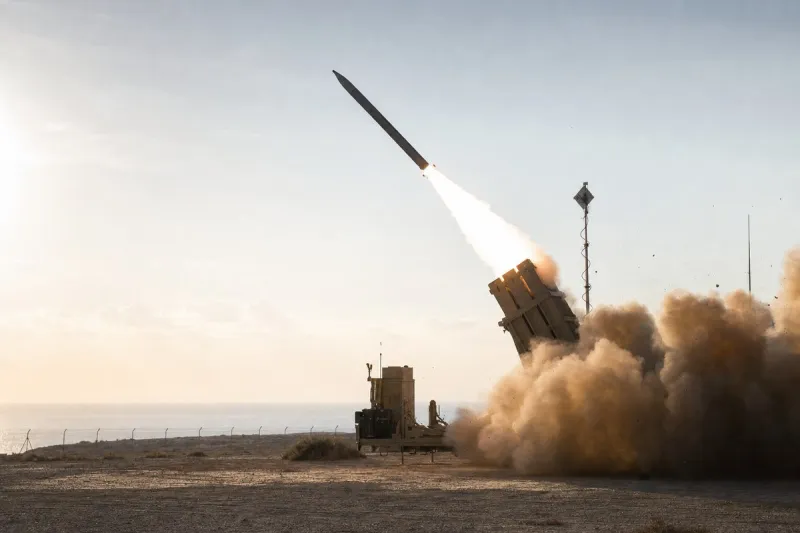
The State Department's Travel Advisory for Kuwait was updated on October 23, 2026, to reflect the threat of increased Iranian-supported Houthi regional aggression, the U.S. Embassy in Kuwait said. The advisory remains at Level 3: Reconsider Travel, citing armed conflict, landmines and crime. There were no changes to the advisory level or risk indicators; the summary was revised to reflect an increase in potential armed attacks by the Iranian-supported Houthis.
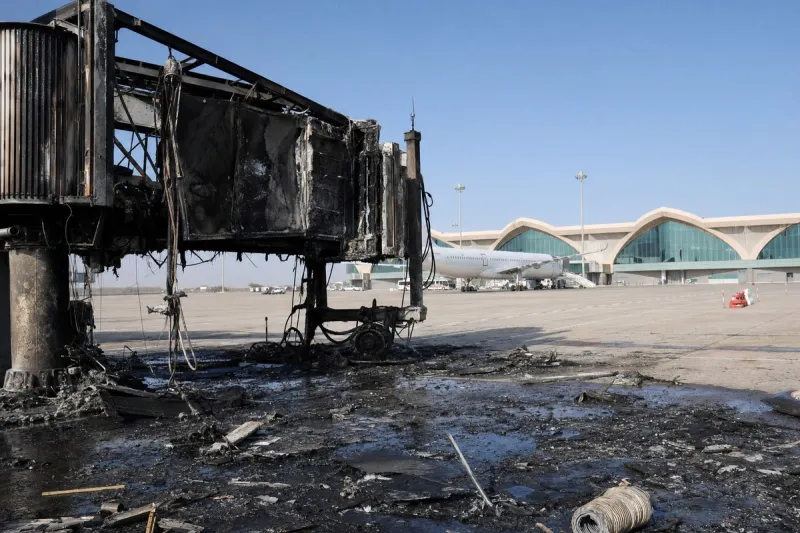
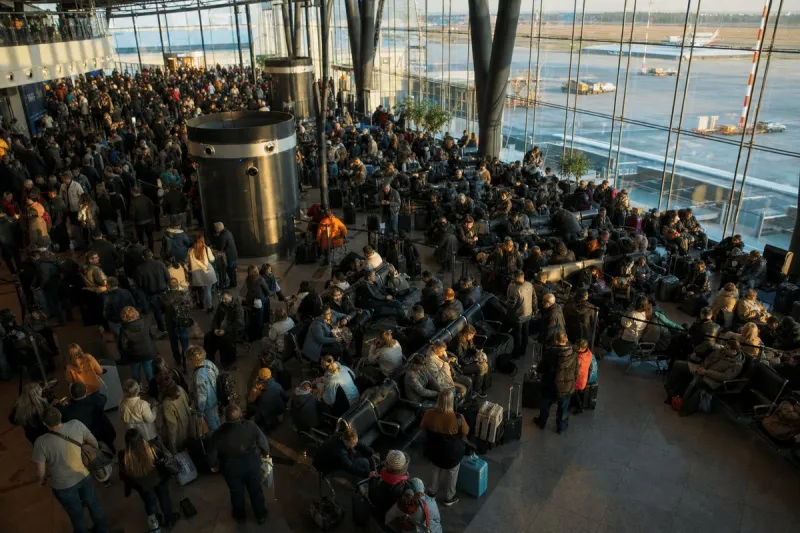
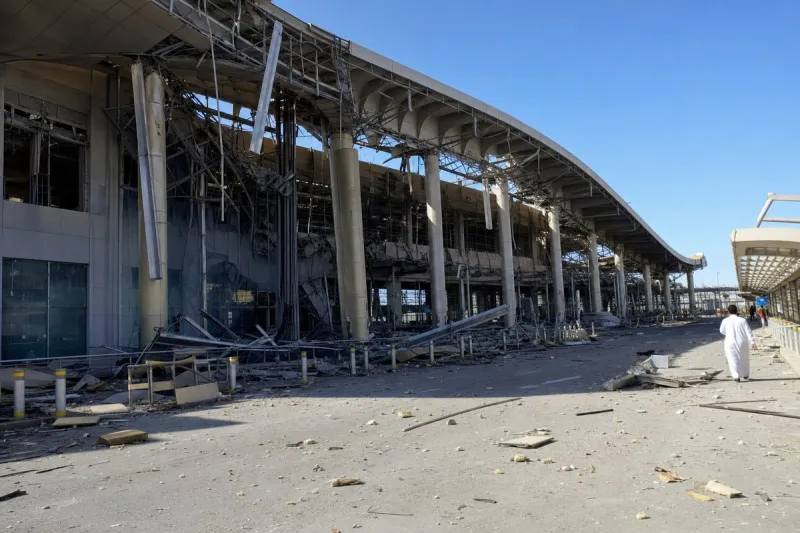
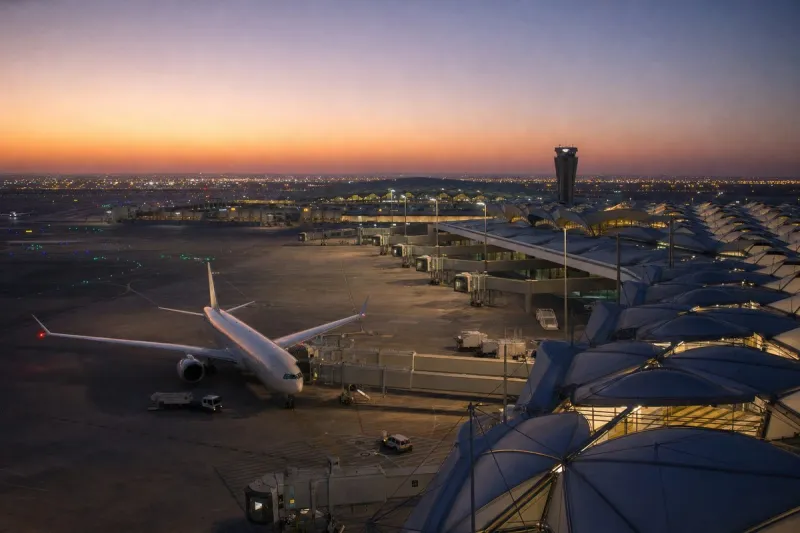
The advisory states that the Houthis have engaged in hostilities against Saudi Arabia, including attacks on civilian airports and other critical infrastructure that caused civilian casualties and severe travel disruptions. Those hostilities could escalate rapidly beyond the immediate area, posing risks to civil aviation operating within or near the Persian Gulf and Gulf of Oman region, including Kuwait. Travelers are directed to the Federal Aviation Administration for current FAA warnings. The U.S. government has limited ability to offer services to U.S. citizens in Kuwait because of safety risks, and U.S. government employees need special authorization to travel there.
On crime, the advisory urges increased caution in the Jleeb Al-Shuyoukh area of Kuwait City, a high-crime neighborhood near Kuwait International Airport, according to Kuwaiti police. It also warns of landmines and unexploded ordnance, possibly left over from the 1990 Gulf War, in desert areas and some beaches north of the Mutla'a Ridge and near the Iraqi border; their locations are unmarked.
For those who decide to travel, the advisory recommends enrolling in the Smart Traveler Enrollment Program (STEP), developing a communication plan, buying travel insurance that covers evacuation and medical needs, and having an emergency exit plan that does not depend on U.S. government help. It also notes that Kuwait has strict laws prohibiting possession or trafficking of drugs, including marijuana, and alcohol.