Saudi Arabia Postpones FII Summit for First Time as Houthi Strikes Keep Airlines Away from Riyadh
Why It MattersAirport-level security, not delegate sentiment alone, now determines whether a major gathering can proceed, because suspended airline service and airspace warnings remove the access that large events depend on.
What happened
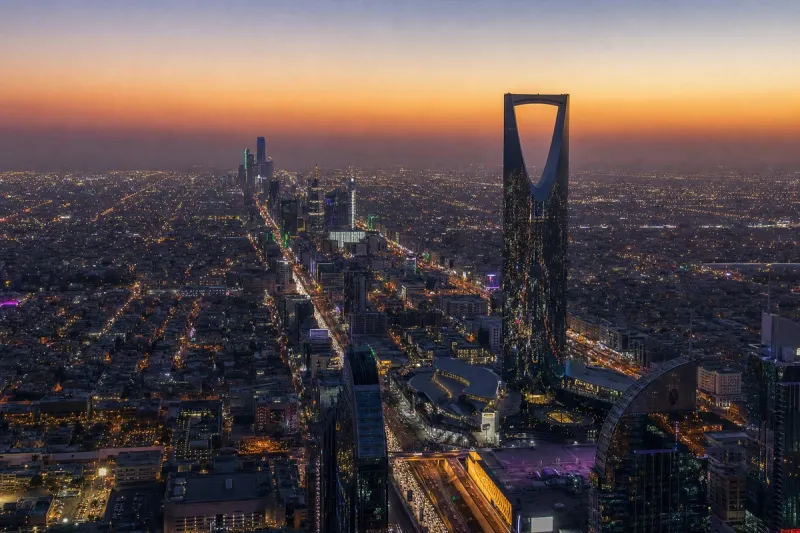
The Future Investment Initiative (FII) summit, scheduled for 26-29 October 2026 in Riyadh, was postponed on 19 October with seven days' notice. It is the first cancellation in the event's nine-year history. The FII Institute had expected 10,000 attendees, 550 speakers and 700 accredited media representatives. Registered speakers included Jamie Dimon of JPMorgan, David Solomon of Goldman Sachs, Stephen Schwarzman of Blackstone, Larry Fink of BlackRock and Jane Fraser of Citigroup; none had publicly cancelled before the organisers announced the postponement.
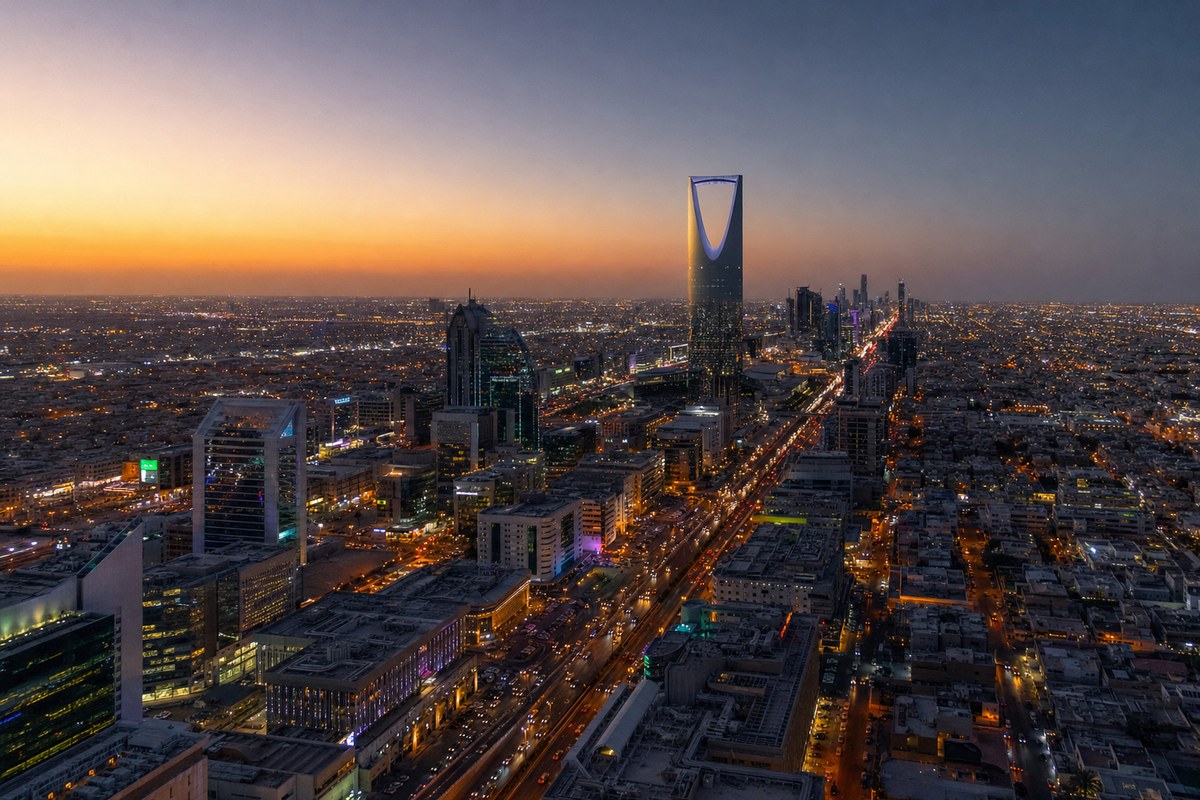
FII CEO Princess Dr Maha Bint Mishari Al Saud's statement cited a commitment to partners, members, speakers and delegates. It did not mention the Houthi attacks or the airport closure. Big banks and private-equity firms had privately relayed safety concerns to PIF Governor Yasir Al-Rumayyan, and organisers had considered letting executives join remotely before opting for a full postponement.
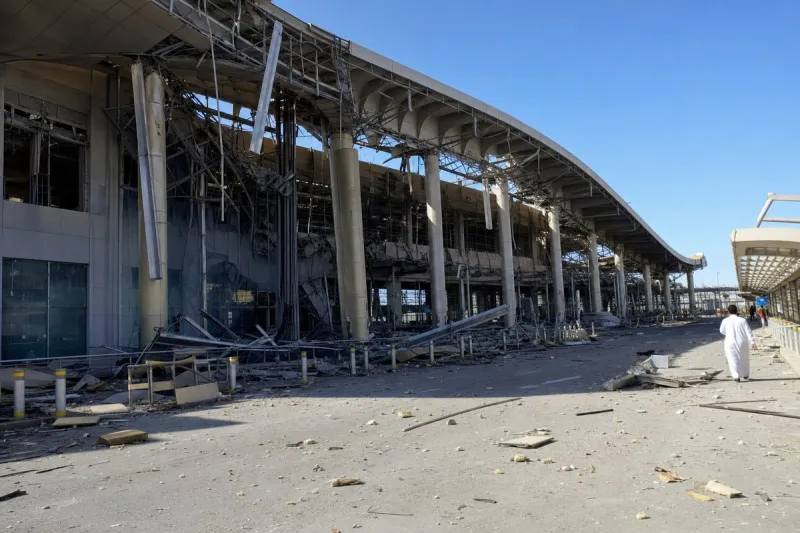
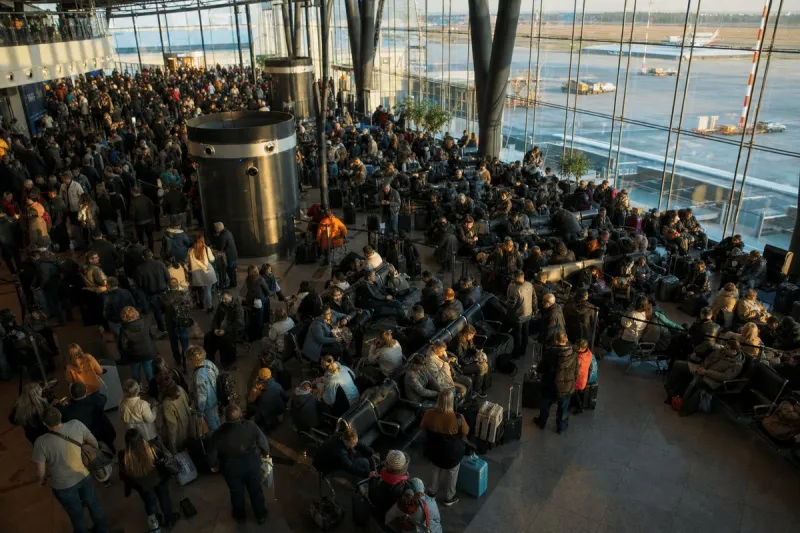
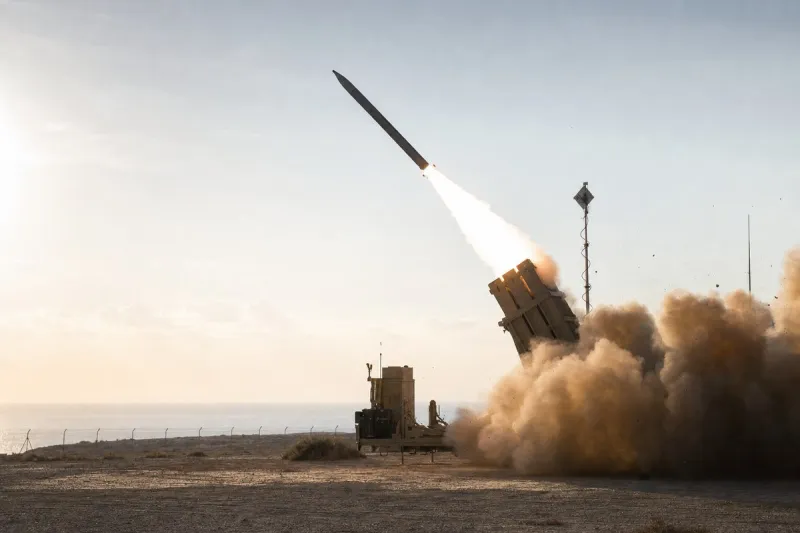
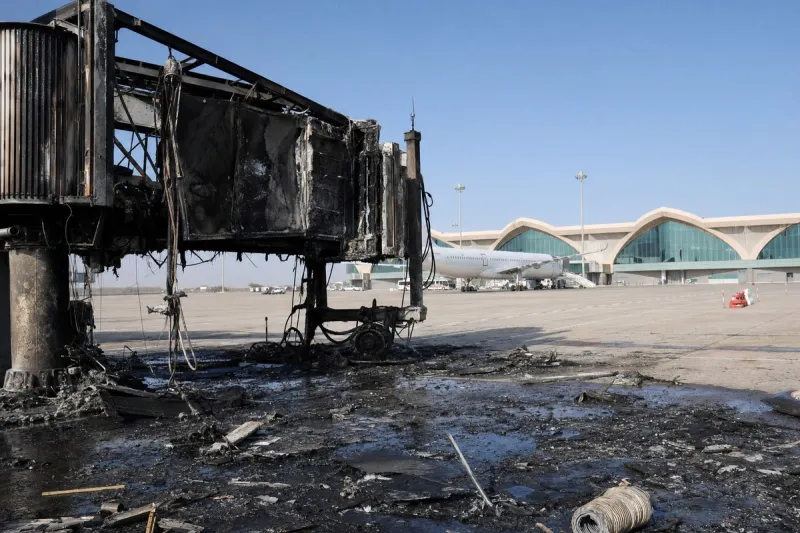
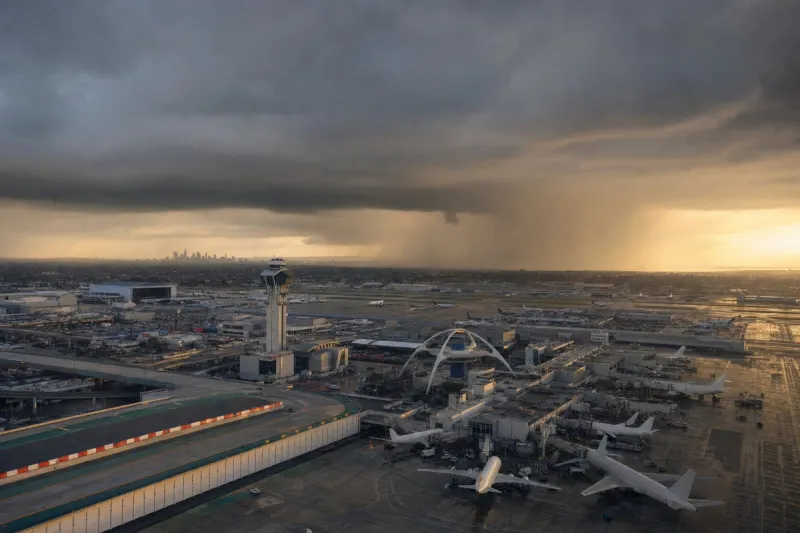
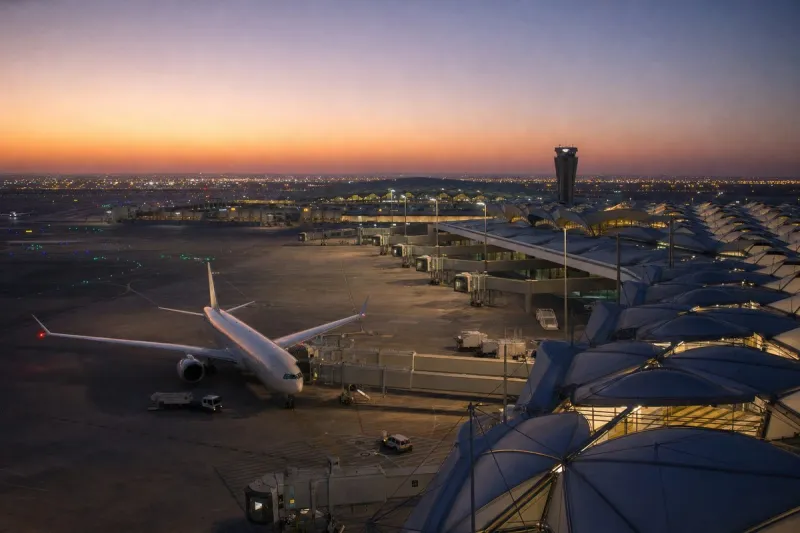
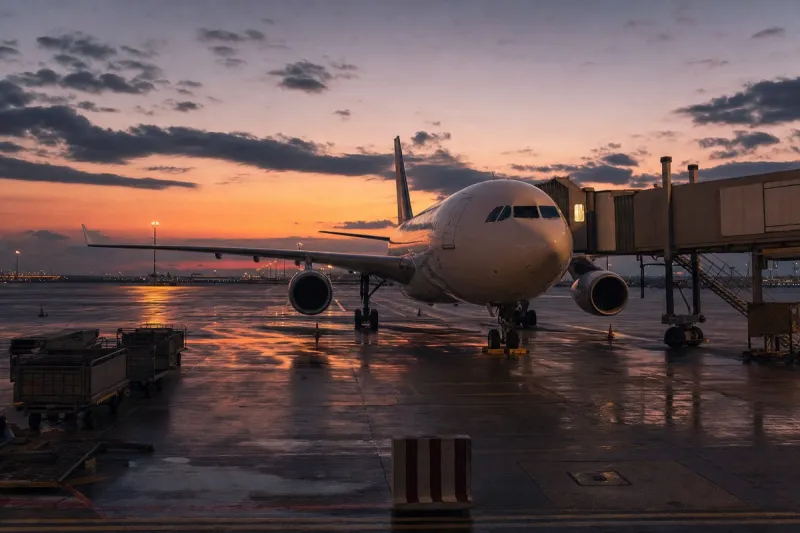
King Khalid International Airport has been repeatedly struck by Houthi missiles since early October 2026. On 6-7 October, attacks on KKIA and Abha airports killed three and wounded 36. On 8 October, two attacks on KKIA killed three, including Saudia captain Hamoud Ali Al Kalthami. On 10 October, the deadliest strike hit Terminals 3 and 4 and killed 13 per Al Jazeera (12 per the Saudi civil aviation authority GACA), with 309 injured per Al Jazeera and 308 per the BBC. On 11 October a projectile hit Terminal 4 again, killing a Pakistani resident and injuring 11.
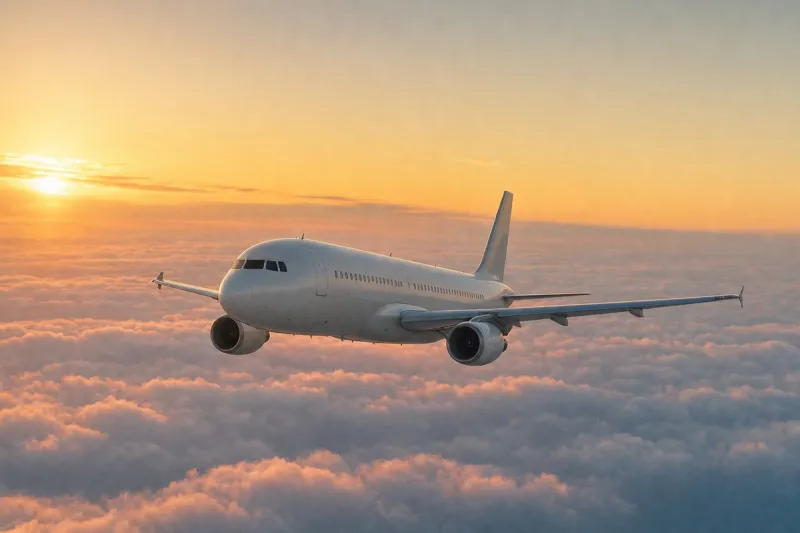
The European Aviation Safety Agency widened its Saudi airspace warning on 9 October, citing recurrent missile and drone attacks and an increased risk of misidentification of civil aircraft. OPSGROUP issued a 'do not fly' warning to members. Airline suspensions include Qatar Airways (Riyadh and Dammam suspended, Jeddah frequency reduced), Etihad (into November), Air India and Air India Express (until 7 November), Emirates and flydubai (through 29 October), Oman Air and SalamAir (until 31 October), and Lufthansa Group's Frankfurt-Riyadh route (through 18 November).
The situation contrasts with October 2018, when more than 40 executives withdrew from FII after the Khashoggi killing but the conference went ahead, with about $50 billion in deals signed, including 15 Aramco memoranda of understanding worth $34 billion.
Industry impact & what to watch
A conference that survived a wave of executive withdrawals in 2018 did not survive a closed airport and a string of carrier suspensions in 2026. The difference lies in the access layer: delegates can be persuaded to attend despite reputational pressure, but they cannot attend if scheduled airlines have pulled out and regulators are warning against flying into the country's airspace. For event-driven air demand into Riyadh, including the business-aviation and charter traffic that surrounds a summit of this size, the binding constraint is now whether aircraft can operate there at all.
The EASA and OPSGROUP warnings matter beyond the immediate dates. Operators and insurers read them when deciding whether to route through Saudi airspace or position aircraft into Riyadh, so the effect reaches ad hoc charter and overflight planning well past the summit window. The airline suspensions are dated, and their end dates, ranging from 29 October to 18 November, give the first concrete markers for when scheduled service might resume.
Organisers have not announced a new date for the summit. A rescheduling announcement, or the restoration of scheduled service at King Khalid International Airport by the carriers that suspended it, would be the clearest sign that the access problem is easing.