United 737 MAX 8 Returns to Las Vegas After Crew Sees Passenger Texting About Hijacking
Why It MattersCabin-crew observation of passenger behaviour functions as a front-line security layer on commercial flights, and a single credible sighting can pull an aircraft off its route within minutes of departure.
What happened
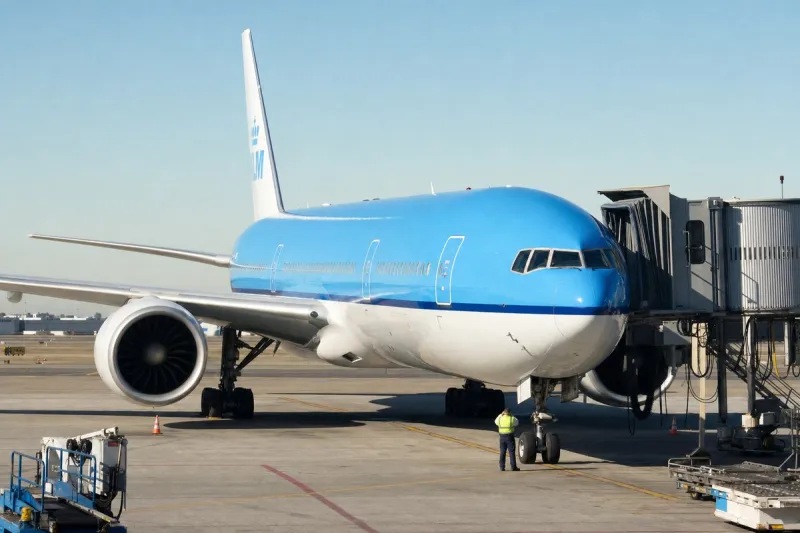
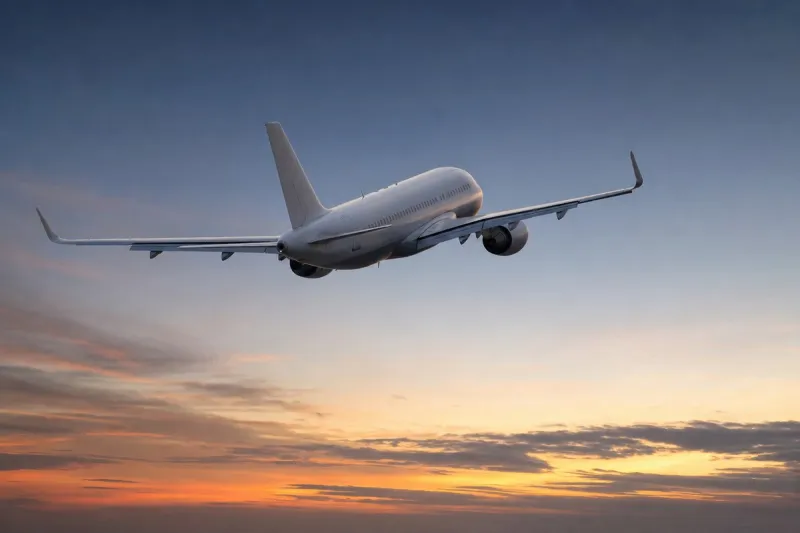
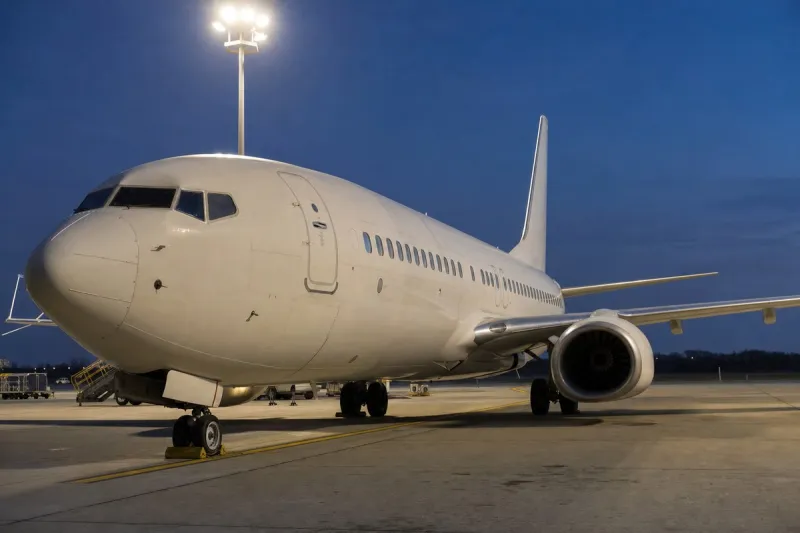
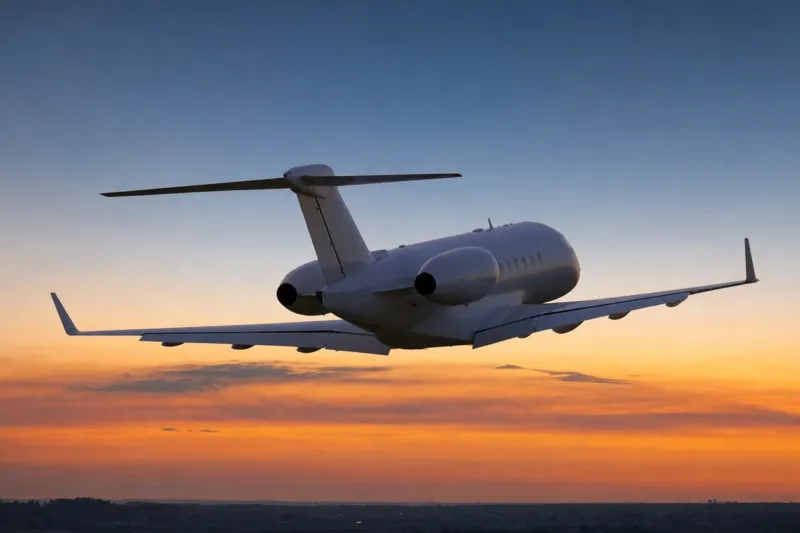
A United Airlines Boeing 737 MAX 8 flying from Las Vegas to Newark returned to Las Vegas shortly after takeoff on Saturday after a flight attendant saw a passenger texting that he was going to hijack the aircraft.
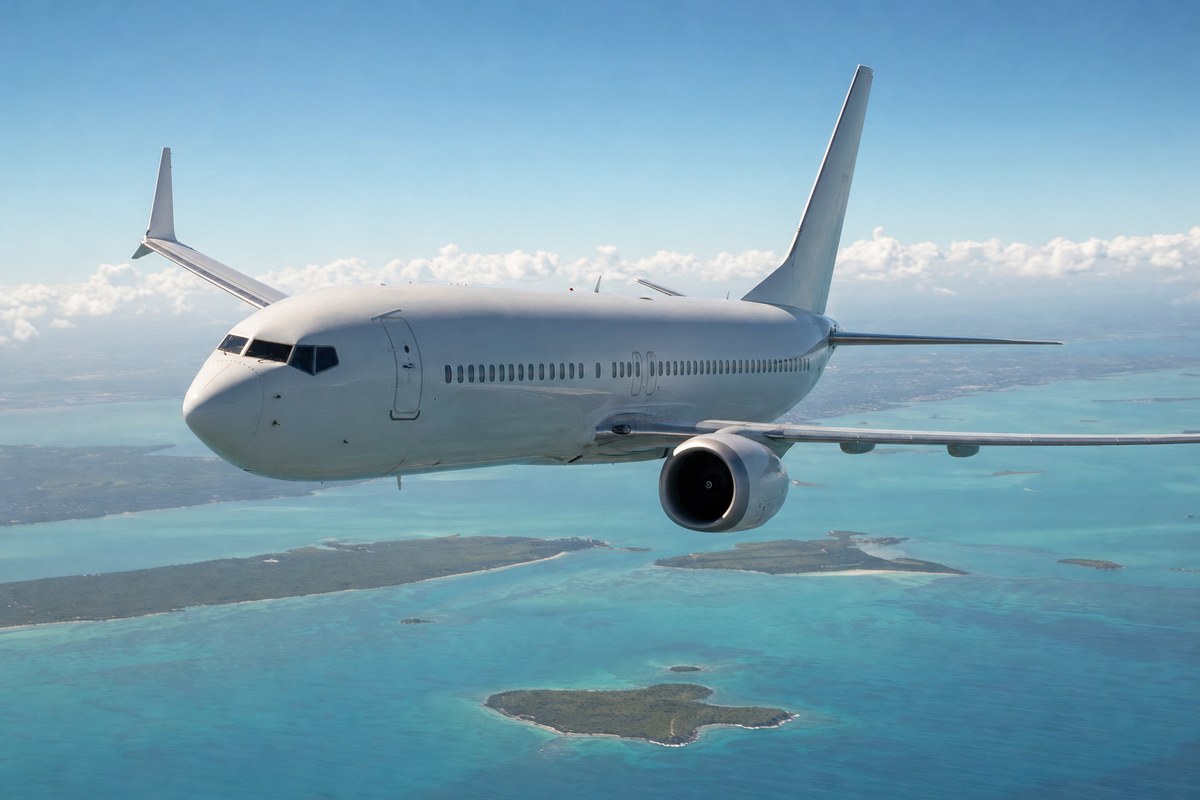
The flight, UA1681, departed at 10:51 PM, 11 minutes behind its scheduled 10:40 PM departure. It had climbed to 24,000 feet when the message was spotted.
The flight attendant alerted the captain, the cockpit was locked down, and the captain decided to return to Las Vegas. Air traffic control audio shared on X captures the pilot's exchange with ATC after the decision was made.
Industry impact & what to watch
A turnback this early in a flight shows how security on a commercial aircraft depends on the cabin as much as on pre-boarding screening. Screening happens before departure, but an intent expressed in a text message on board can only be caught by someone in the cabin who sees it and reports it up the chain. Here that chain ran from flight attendant to captain to cockpit lockdown to return, all within the climb phase.
For airlines, each such event carries a cost beyond the delay: an aircraft out of position, a crew whose duty day is disrupted, and a full load of passengers who must be reaccommodated. Those costs are accepted as the price of acting on any credible threat, because the alternative is continuing to the destination with an unresolved one.
The next milestone is whatever law enforcement and the airline say about the passenger after the aircraft landed back in Las Vegas, which will determine whether the message reflected a genuine threat.