Saudi-led coalition intercepts Houthi ballistic missile aimed at Riyadh, adding to aviation risk
Why It MattersRepeated missile and drone attacks on Saudi airports keep the kingdom's airspace in the top conflict-risk bands, shaping how carriers and insurers price and schedule flying there.
What happened
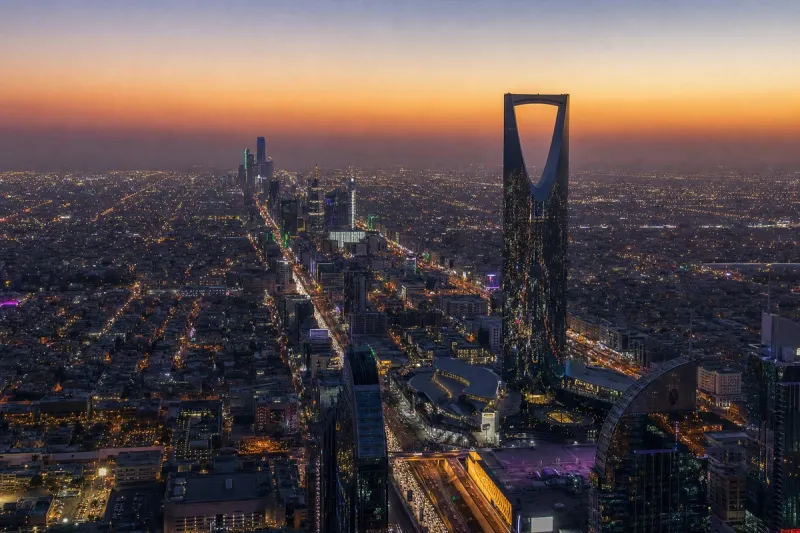
A Saudi-led military coalition intercepted and destroyed a ballistic missile launched by Yemen's Houthi movement toward Riyadh on October 20, 2026. Saudi state outlets indicate the missile was fired from Houthi-controlled territory in Yemen and brought down before reaching the capital's urban area.
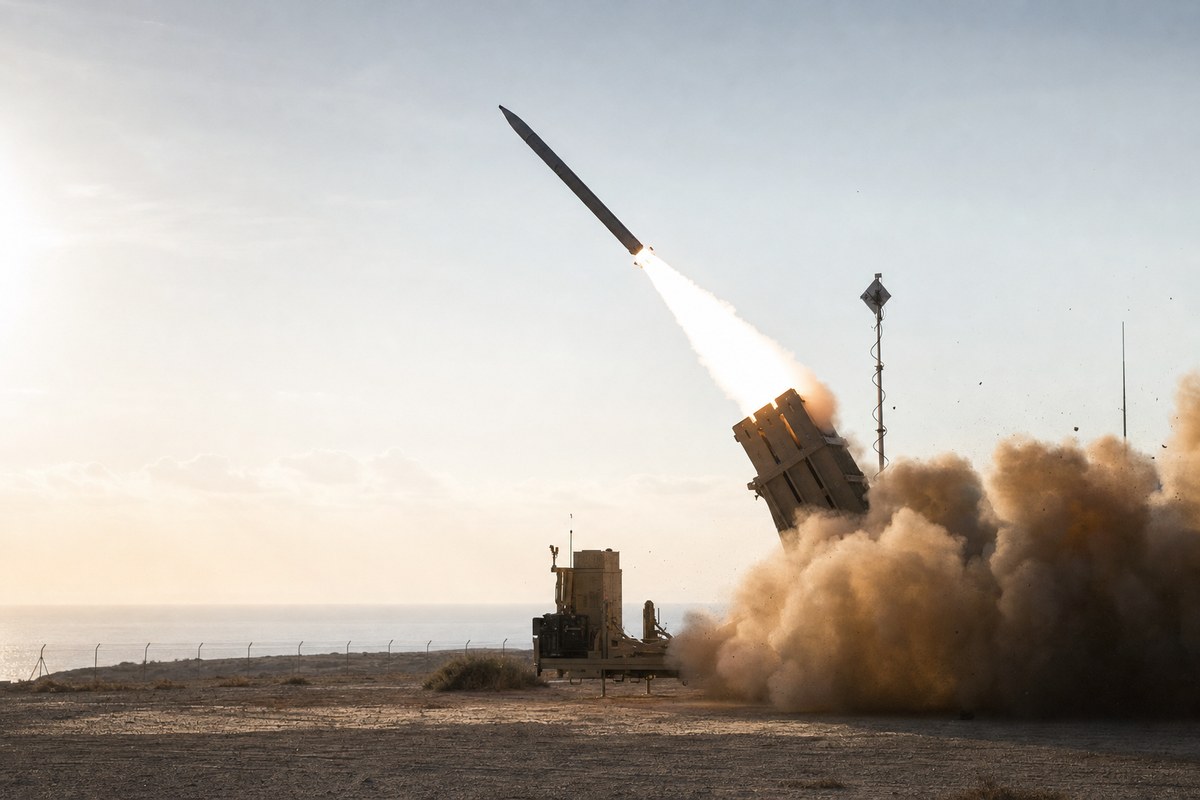
Coalition statements said debris fell in unpopulated zones, with no immediate reports of casualties or significant damage in Riyadh.
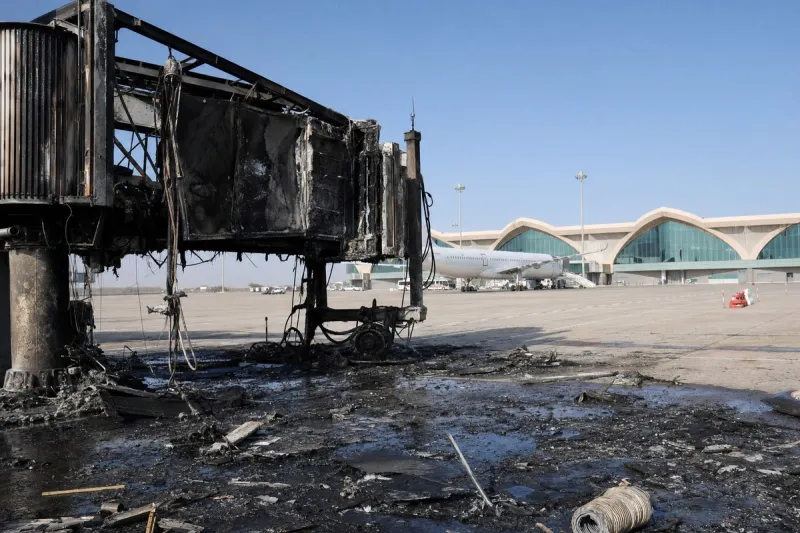
The interception followed several weeks of intensified Houthi activity against Saudi cities, airports and energy facilities. Repeated missile and drone launches were documented in September and October, including strikes on airport infrastructure in Riyadh and Dammam and attempted attacks on Khamis Mushait. King Khalid International Airport in Riyadh was struck earlier in October, with fatalities among passengers and airport staff and damage to at least one commercial aircraft, and the airport was closed through mid-October.
Independent conflict-zone risk services rate parts of Saudi territory at their highest risk categories, citing the danger of airliner misidentification, falling interception debris and sudden airspace closures. Some European and North American aviation authorities have advised or instructed carriers to exercise heightened caution in Saudi airspace, and several airlines have suspended or reduced Saudi services.
Industry impact & what to watch
Strikes on airport infrastructure, rather than only on energy sites, change the risk calculation for anyone flying into Saudi Arabia. The hazards risk services name — misidentification of airliners, interception debris and airspace closing without notice — are ones an operator cannot fully mitigate through routing, because they arise over the destination itself. That tends to show up first in schedules and insurance terms: war-risk exclusions, reduced frequencies and suspended services.
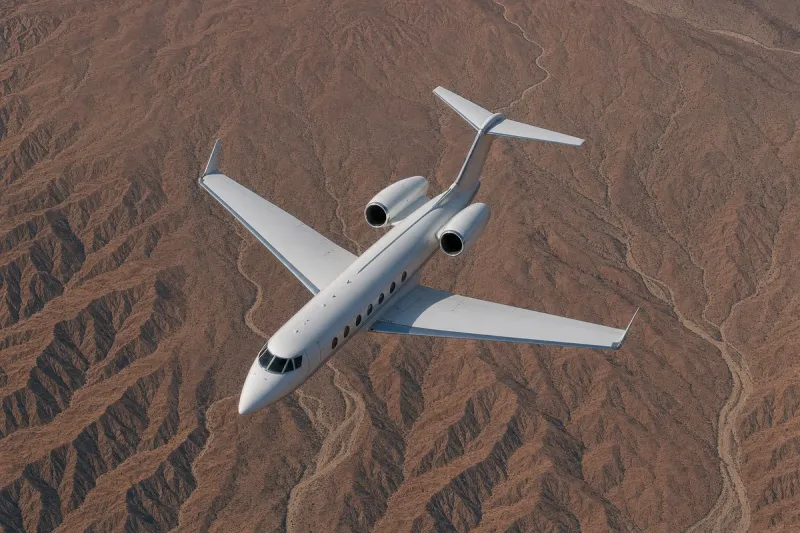
For business aviation, the practical consequence is that trip planning around Riyadh and the other affected airports depends on conditions that can shift within hours. Slots, crew duty limits and aircraft positioning all become secondary to whether the airport and its approach airspace are open at the time of arrival.
The next signals are concrete ones: whether the authorities that have urged heightened caution move to firmer restrictions, whether the airlines that have cut Saudi services restore them, and whether King Khalid International stays open without further disruption.