New FAA Border TFRs Restrict El Paso Drone Operators, Including Commercial Flights
Why It MattersEven lawful commercial drone work near the southern border now needs advance federal authorization, tying civil airspace access to homeland-security counter-drone missions and adding lead time for operators in the region.
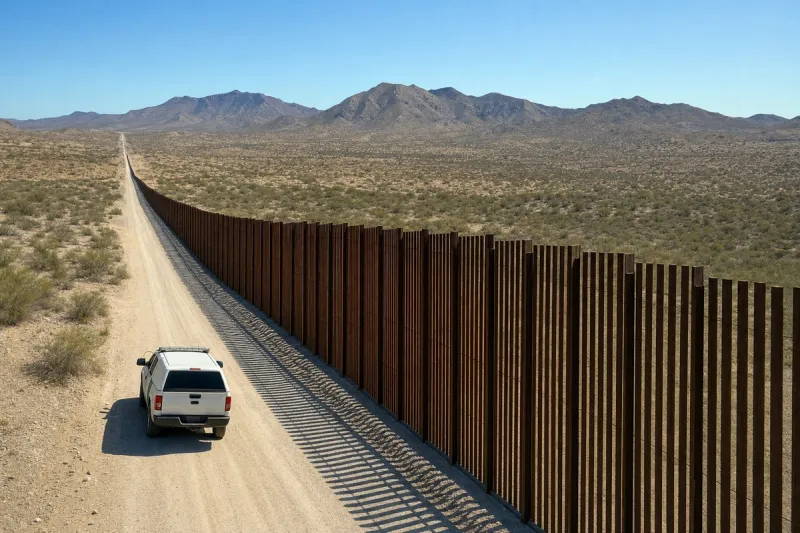
El Paso drone operators say they are being affected by new federal drone restrictions issued last week. The FAA announced temporary flight restrictions (TFRs), effective Oct. 16, 2026, that prohibit unauthorized unmanned aircraft system (UAS) operations along the US/Mexico border. The U.S. Department of Transportation, Department of War and Department of Homeland Security announced the restrictions, which cover drone activity up to 400 feet above ground level and 1.15 miles north of the border. The three TFRs are ZLA 6/9954 (Los Angeles Center airspace, covering the California/Arizona border area), ZAB 6/9978 (Albuquerque Center airspace, covering Arizona, New Mexico and west Texas) and ZHU 6/9956 (Houston Center airspace, covering central and south Texas).
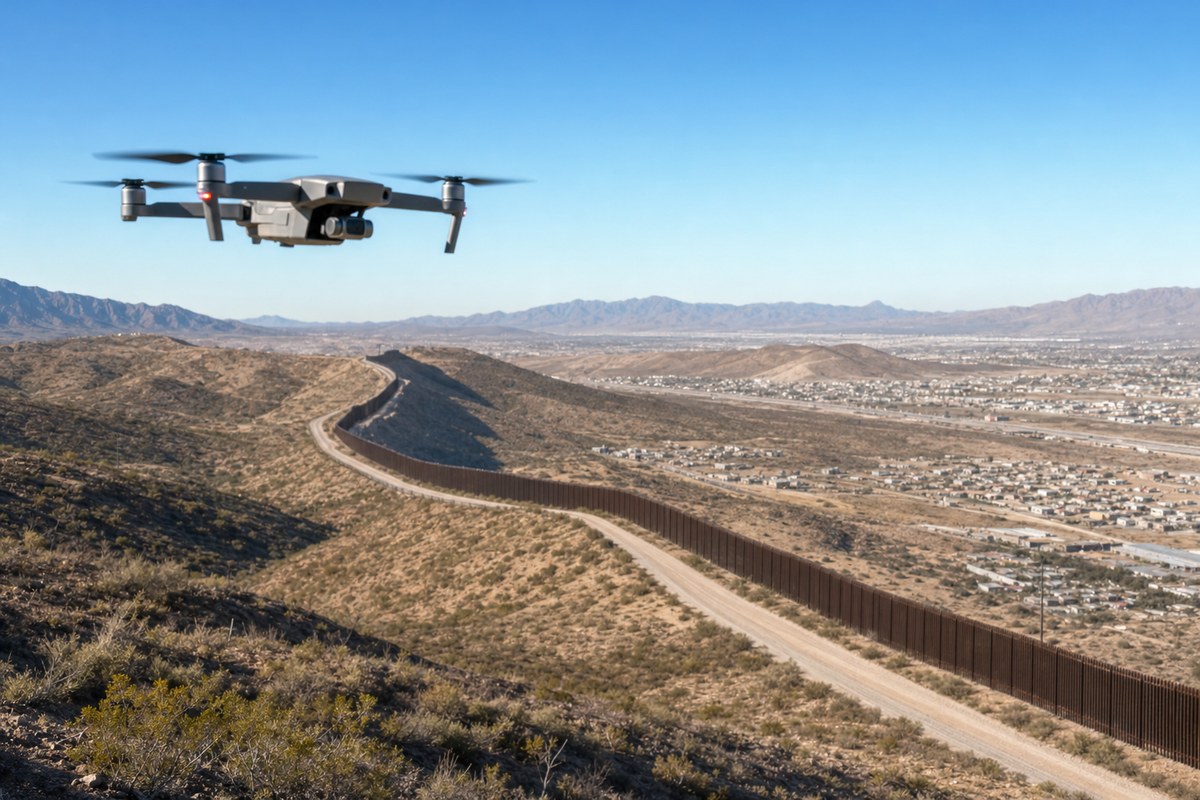
Vertical Aviation International (VAI) said the restrictions prohibit unauthorized UAS operations, including otherwise lawful commercial operations, unless appropriate access authorization is obtained. Operators must review the applicable NOTAMs. UAS operators must submit requests to U.S. Customs and Border Protection at least 48 hours before the proposed operation, providing pilot certification, flight details and aircraft identification. Expedited coordination is available for qualifying emergency operations. The restrictions support federal security operations involving counter-drone capabilities, including directed energy systems; the TFR itself does not independently expand statutory counter-UAS authorities. VAI said the framework illustrates the growing interaction between the FAA's airspace responsibilities and DHS/defense security missions, raising questions about operational coordination, risk management and protection of legitimate airspace users. VAI said it supports appropriate measures against unauthorized UAS activity while emphasizing transparent access procedures.
In El Paso, the restriction affects areas including San Jacinto Plaza, most of the University of Texas at El Paso, the Sun Bowl and El Segundo Barrio. Jeremy Schofield, co-owner and founder of From Above Droneworks, a U.S. Army veteran and FAA Part 107 certified drone operator, told KVIA that he understands the security and safety concerns but that the restriction affects businesses and drone owners and operators across El Paso. He said many operators fly to cover events such as Winterfest. He noted that El Paso was one of the first U.S. cities to have Remote ID.