EES Border Checks Still Causing Long Delays as Half-Term Travel Begins; Several Countries Allowed to Waive Full Rollout
Why It MattersPersistent border-processing bottlenecks at the EU's external frontier add friction and timing risk to Europe-bound travel, increasing the appeal of faster arrival options for time-sensitive travellers.
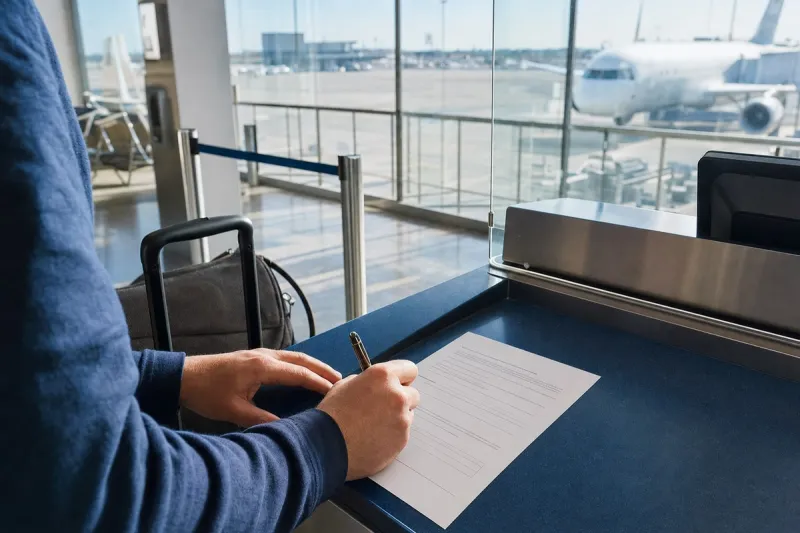
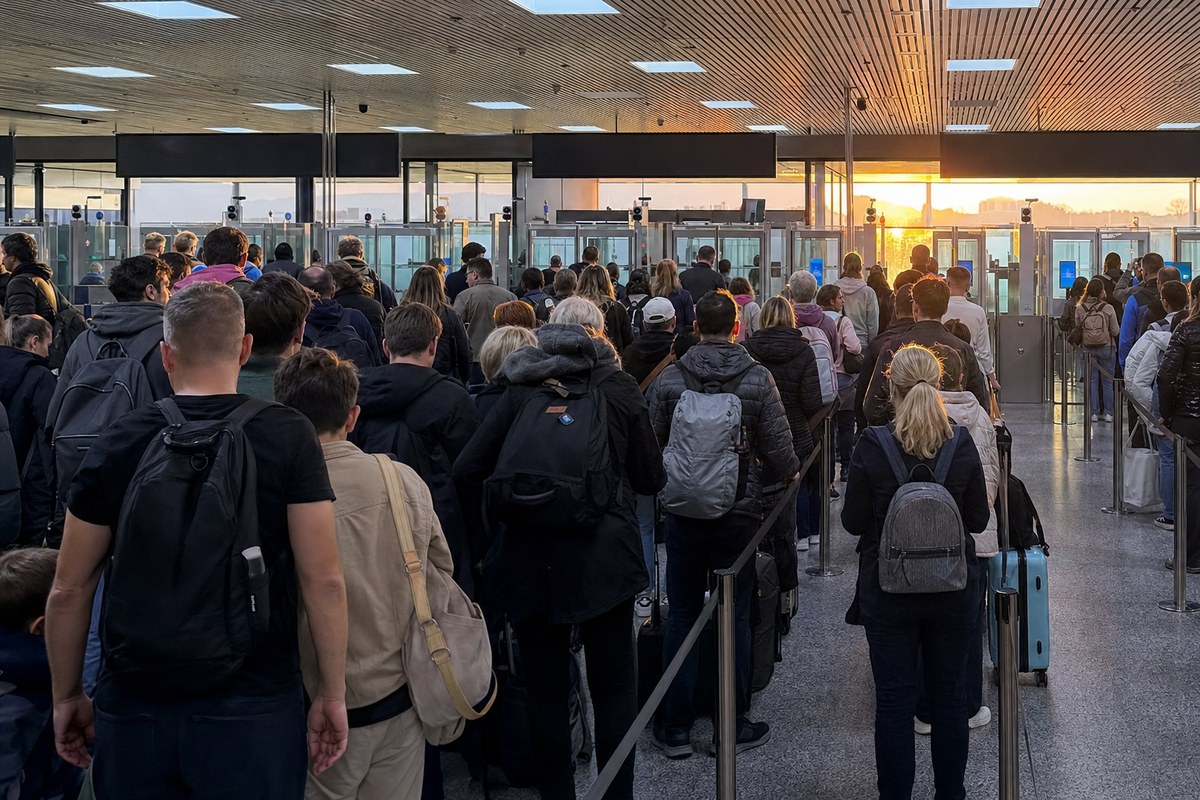
The EU's Entry-Exit System (EES) continues to cause long delays for holidaymakers as thousands begin half-term trips. Biometric checks began to be phased in last October, replacing manual passport checks and stamps at EU borders, and non-EU passengers must now have a photograph and fingerprints taken on entry. An amnesty on pausing checks ended last month, but at least nine European countries have been allowed to waive the full introduction of EES until the technology for facial and fingerprint scans works effectively. There are warnings that faults have not been resolved, and huge queues linked to the checks have led some travellers to miss flights and connections.
The Times, reporting on the system's first anniversary, said it understood the European Commission would allow all 29 countries where EES operates to drop checks when necessary until at least the end of the year, to avoid long border queues. France, Greece and Portugal had earlier asked the Commission to extend the summer flexibility, which expired on September 7, so they could revert to manual checks when waits grew long.
Abta, the travel association, said the system "still can't perform adequately" a year after launch and is lobbying for the pragmatic approach of dropping checks to be extended indefinitely. It reported isolated incidents of significant delays and problems such as people not being correctly registered on exit, and called for better triaging of already-registered travellers and app improvements allowing some checks before arrival. Industry groups in Europe have warned that EES queues routinely exceed two hours, with some waits reported at up to five hours.
EES applies to non-EU nationals travelling to the 29 countries where it operates, which are 25 of the 27 EU nations plus Iceland, Norway, Liechtenstein and Switzerland; it is not used in Ireland or Cyprus. First-time visitors register passport details and biometrics at kiosks, and data is normally stored for three years or until the passport expires, whichever is sooner. In the UK, EES checks take place at Dover, Folkestone and St Pancras, but EES for car passengers has not yet been implemented at Dover and LeShuttle in Folkestone because of technical problems.