March Air Reserve Base Opens 13,300-Foot Runway to General Aviation Pilots Without Prior Authorization
Why It MattersA working military runway that accepts civilian traffic without prior authorization shows how surviving Air Force installations can serve as shared infrastructure for general aviation, with access conditional on mission requirements.
What happened
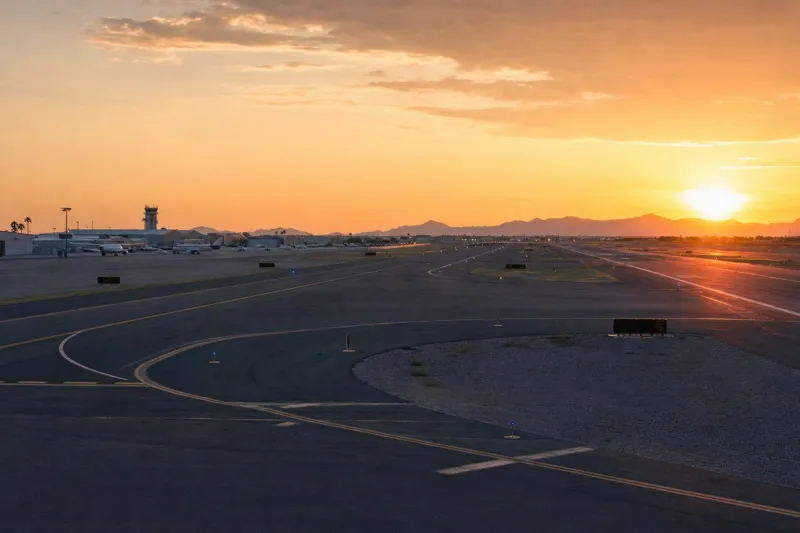
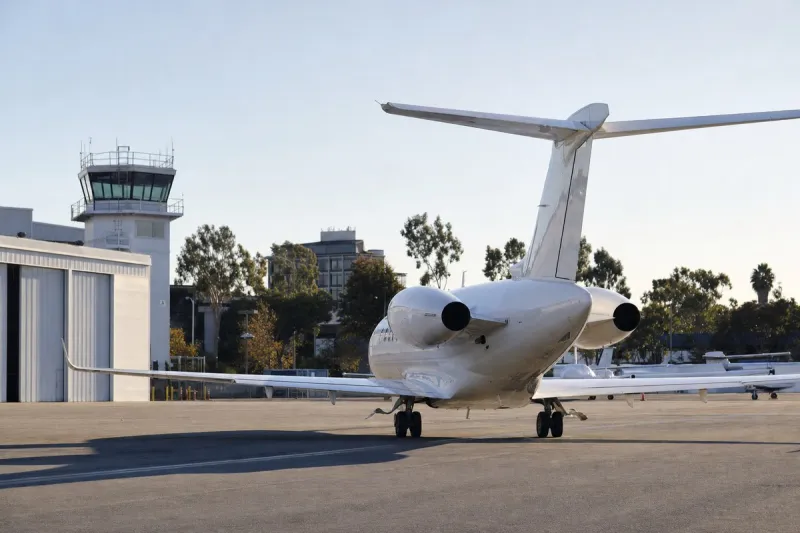
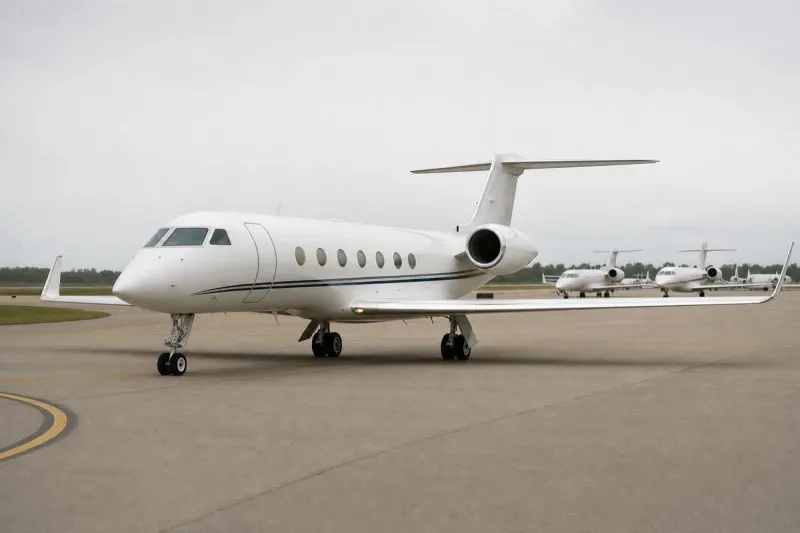
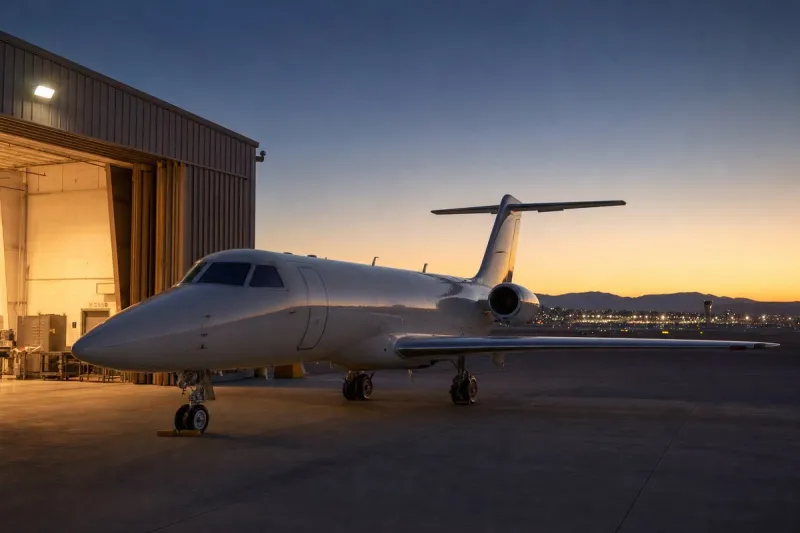
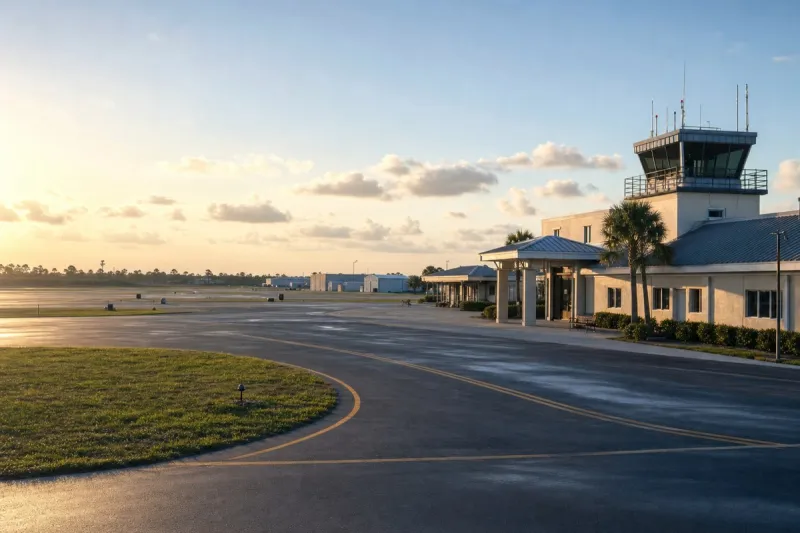
March Air Reserve Base (KRIV) in Riverside County, Southern California, allows general aviation pilots from anywhere in the U.S. to take off and land on its 13,300-foot runway without prior authorization. Practice instrument approaches and VFR arrivals are permitted most of the time, though military traffic takes priority and weather or special events may limit civilian flying.
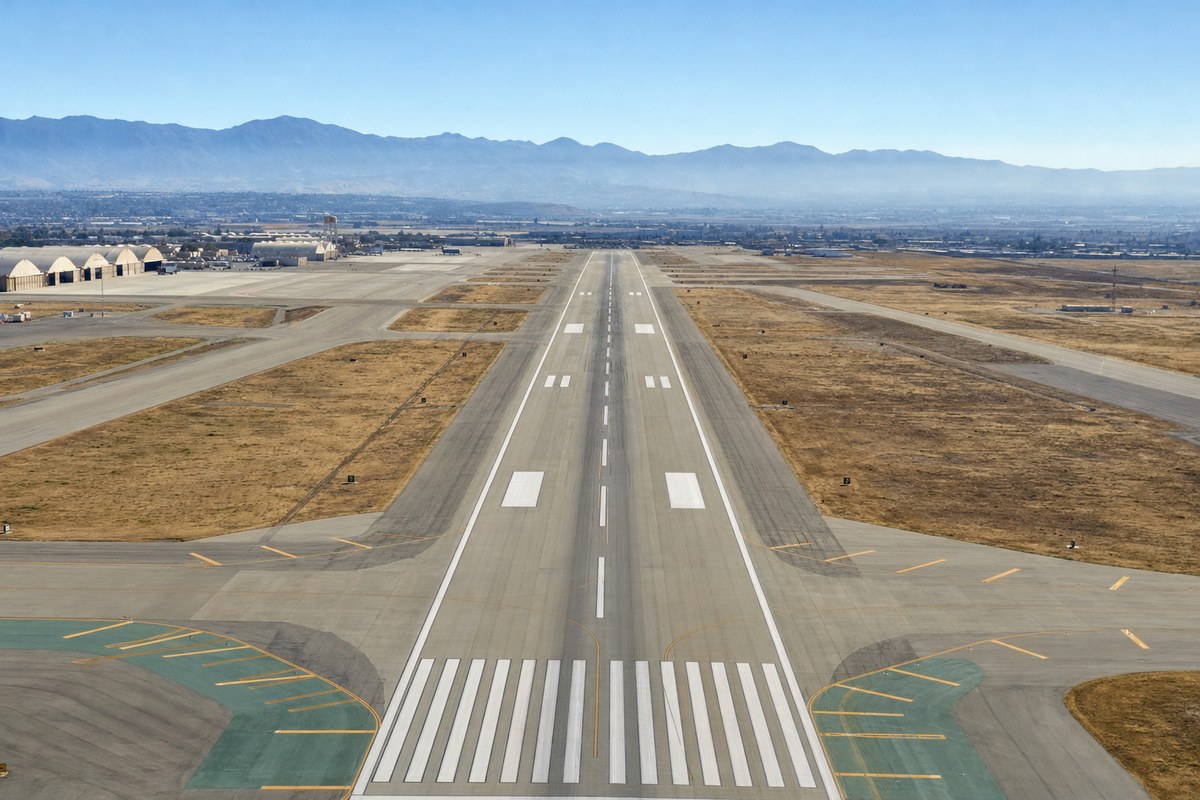
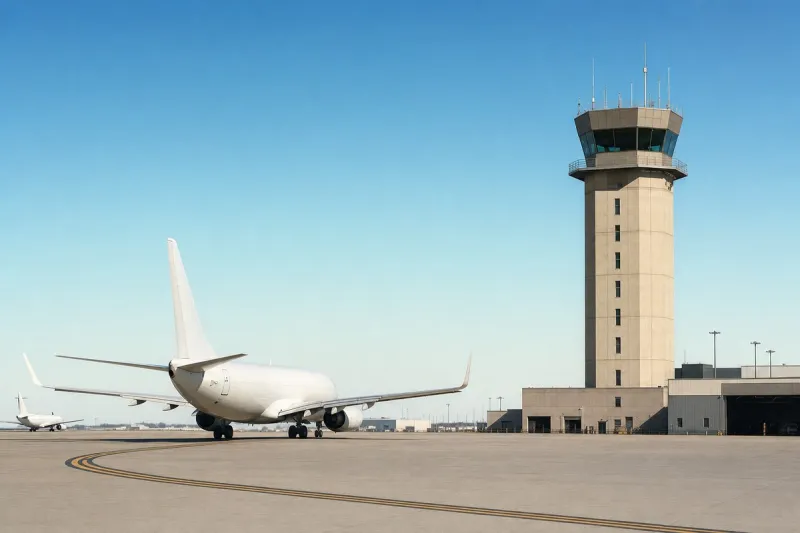
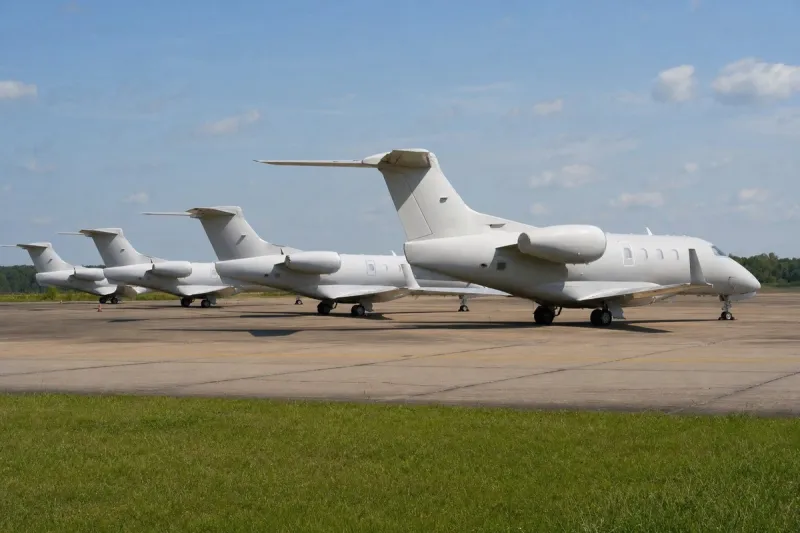
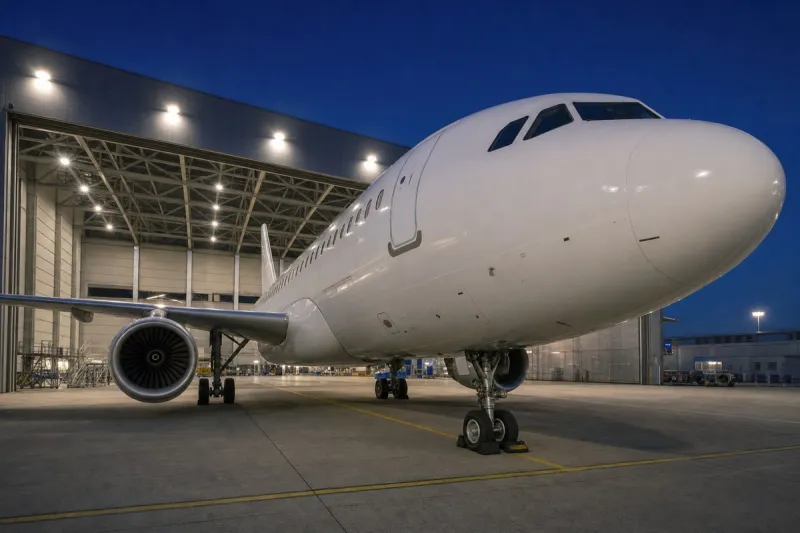
The 452nd Air Mobility Wing is the core unit, operating KC-135s, C-130s and C-17s; KC-46 Pegasus tankers are due to replace the KC-135s. The base lies under Class C airspace, but March Approach Control switches off at midnight on weekdays. The Tower has no published schedule, and Class D airspace is supposed to remain in effect, though there are times the Tower goes dark. The March Inland Port is the civilian-operations part of the airport, where Airbus and Boeing cargo jets arrive and depart semi-regularly.
Base Community Partnership Director Amee Howard describes the base's relationship with surrounding communities as "symbiotic" and calls its civilian neighbors "partners." Base authorities prefer that Part 91 general aviation arrivals occur during daytime hours.
For visiting pilots, practice instrument approaches may be denied when the nearby Perris Valley Airport jump zone is busy with skydivers, when landings are to the south because of winds, or when Guard and Reserve units are in the pattern for currency. The ILS or Localizer Yankee approach is expected for practice or IMC arrival. The first-day tie-down fee is $41 for single-engine and $82 for twin-engine aircraft, and Million Air waives most fees with a fuel top-off. Parking after day one costs $5 daily for singles and $8 for twins.
A survivor of three Inland Empire bases
March is the only survivor of three nearly longitudinally aligned Air Force bases in the Inland Empire; George and Norton have closed. It was downsized but continued, keeping Air Force Reserve and Air National Guard units while accommodating civilian entities.
The field began as Alessandro Flying Field for Army Air Corps training during World War I, later became March Field and then March Air Force Base. Stunt pilot Albert "Paul" Mantz trained there, Amelia Earhart worked on flight plans there in the 1930s, and General Henry "Hap" Arnold was base commander at the time. March sits about midway between Los Angeles and Palm Springs.
Industry impact & what to watch
March's arrangement illustrates how a military airfield that survived base closures can double as civilian infrastructure. Its 13,300-foot runway and mixed use with cargo jets at the March Inland Port place it in a different category from a typical general aviation field, but civilian access remains subordinate to the military mission at all times.
That subordination shapes how the field works in practice. Practice approaches can be denied on short notice, the Tower and approach services do not run around the clock, and the base prefers daytime Part 91 arrivals. Pilots and flight departments treating March as a destination or alternate need to plan around those conditions together rather than assuming the open-access policy guarantees a given service on a given day.
The next concrete change on the field is the planned replacement of the KC-135s by KC-46 Pegasus tankers, which will alter the military traffic mix that civilian operations share the runway with.