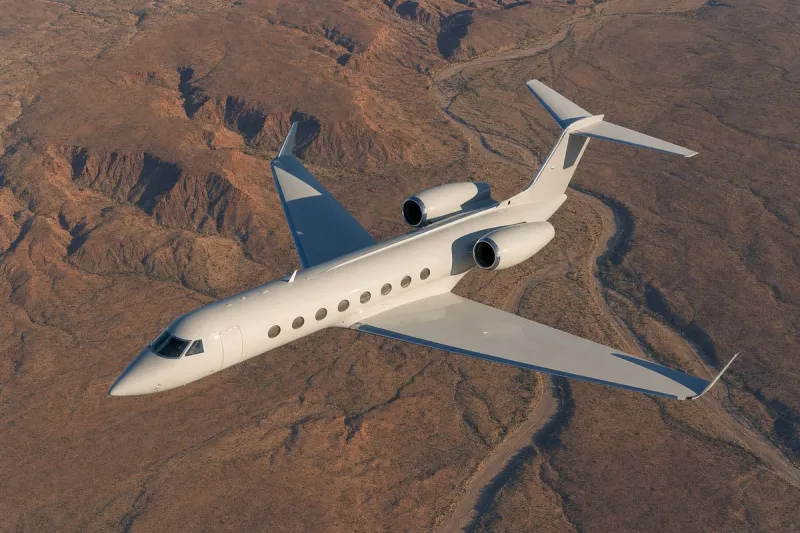
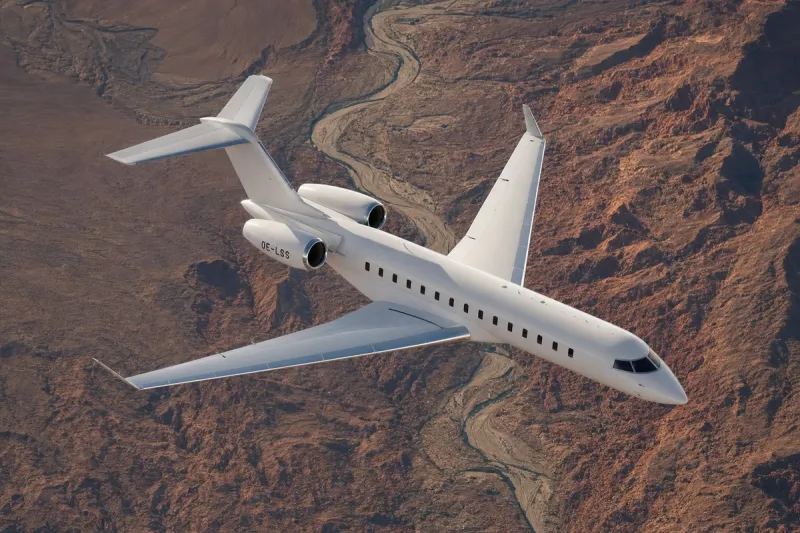
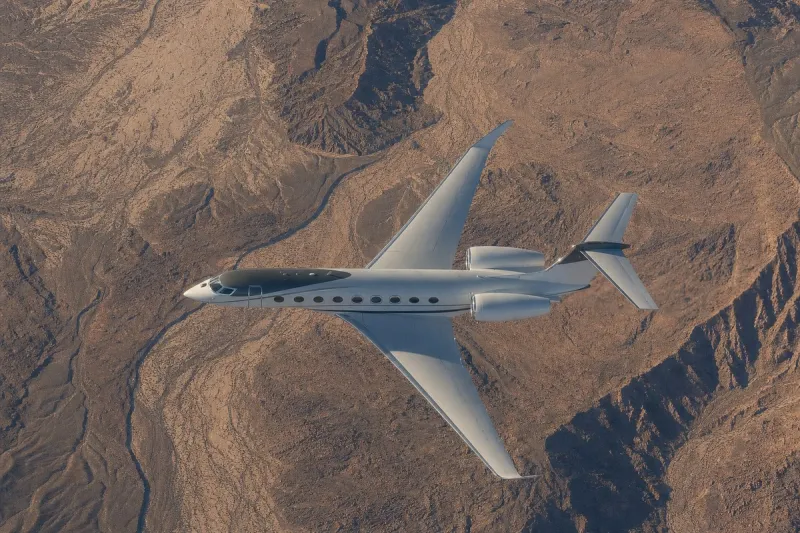
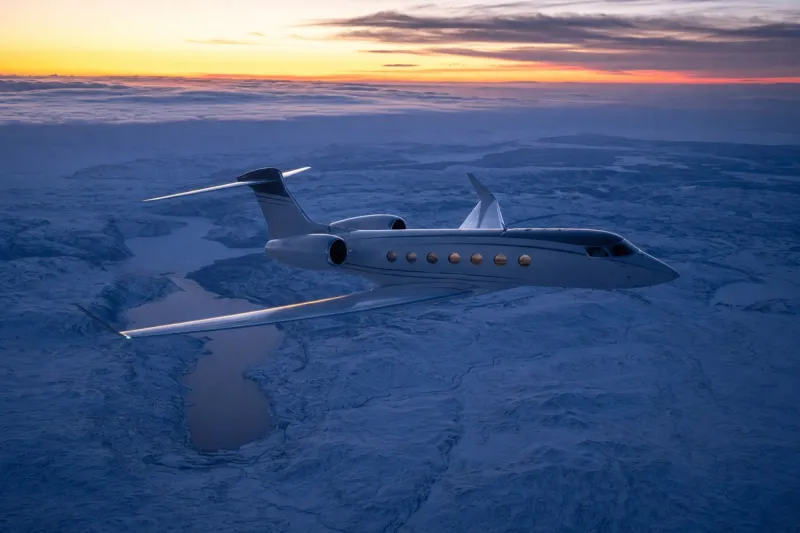
Coca-Cola Gulfstream G600 N966RW flies 1,370 nm from Salt Lake City to Dobbins Air Reserve Base in Marietta
Why It MattersFlight-tracking data now lets outsiders reconstruct a corporate fleet's movements, fuel burn and emissions leg by leg, even where trust registrations keep the owner's name off the public record.
What happened
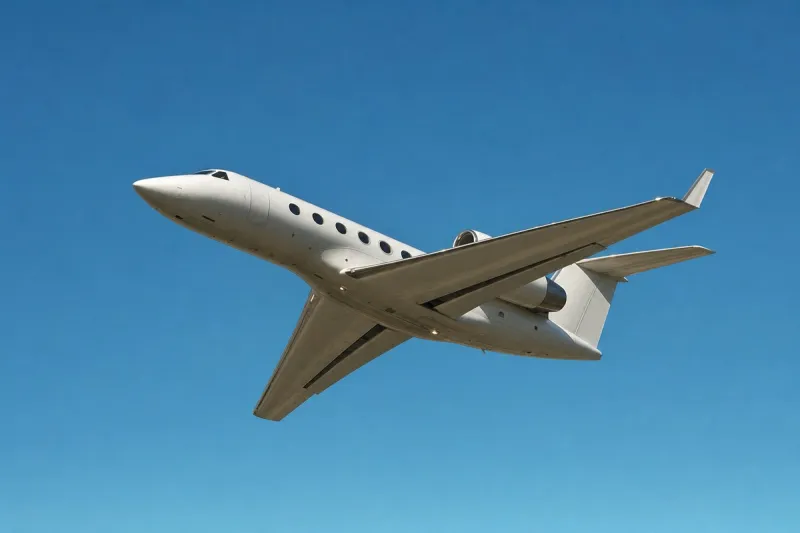
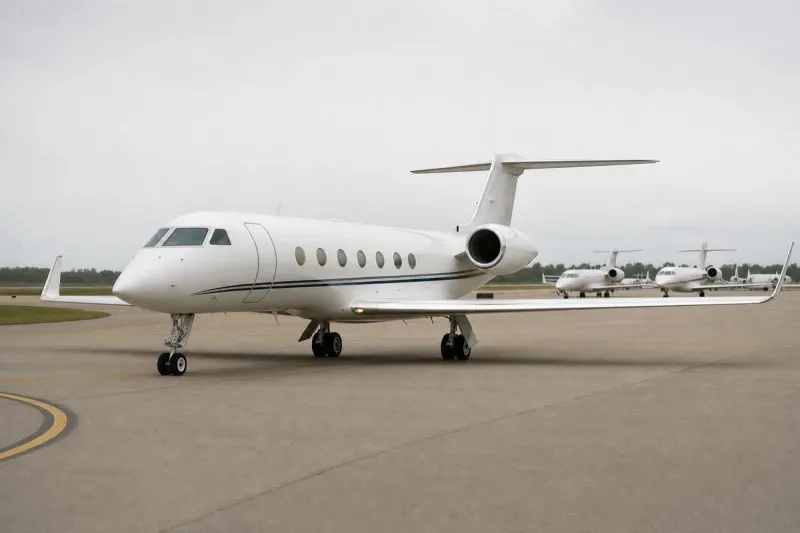
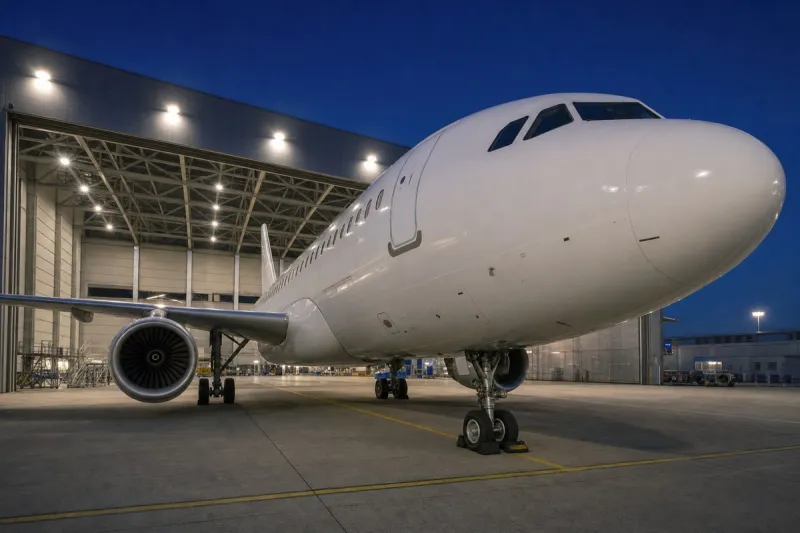
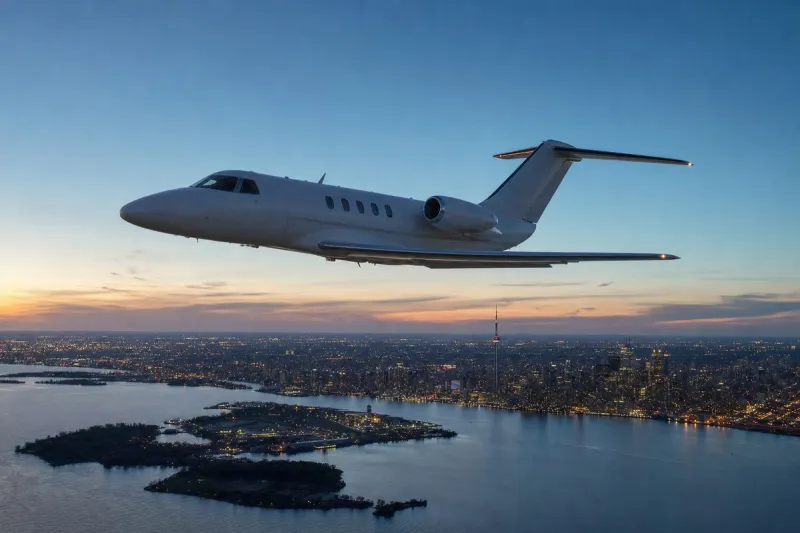
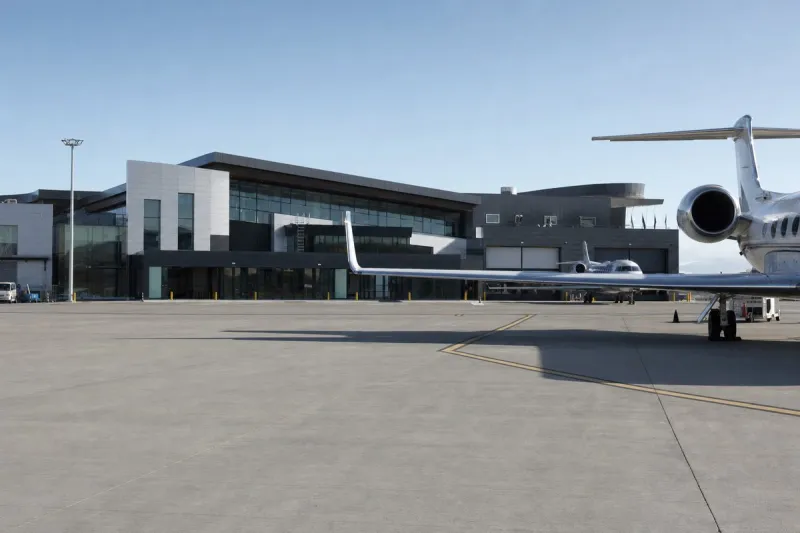
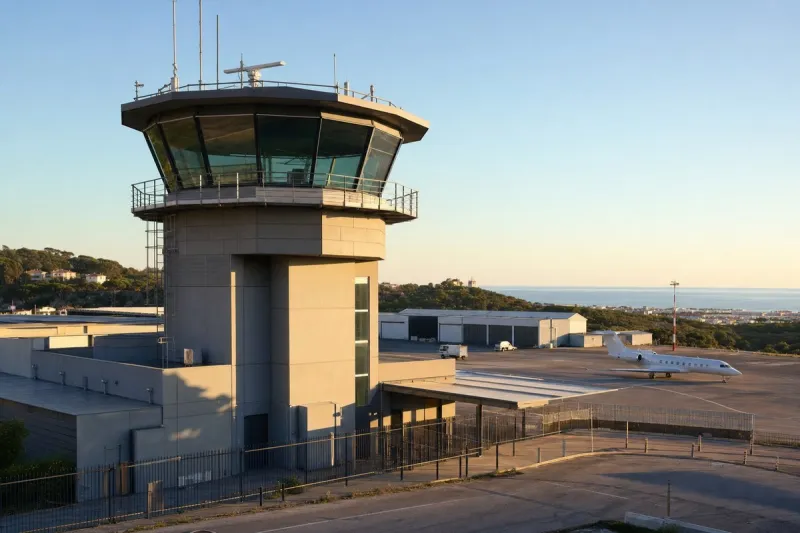
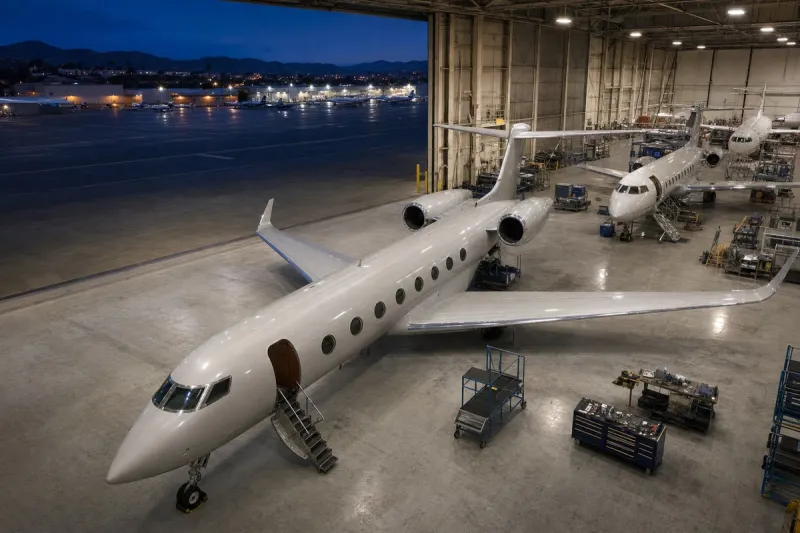
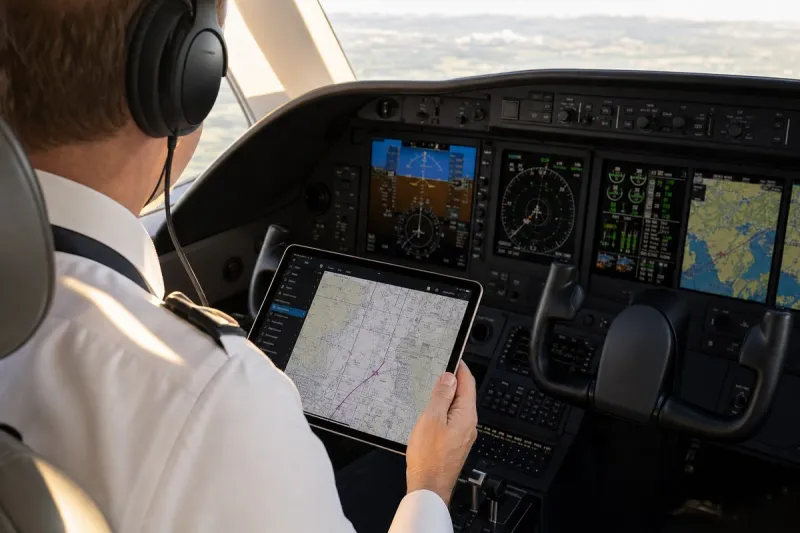
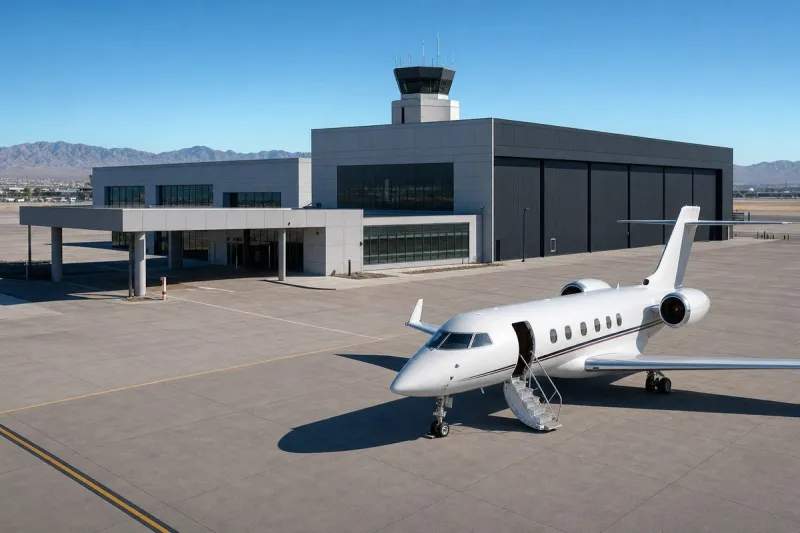
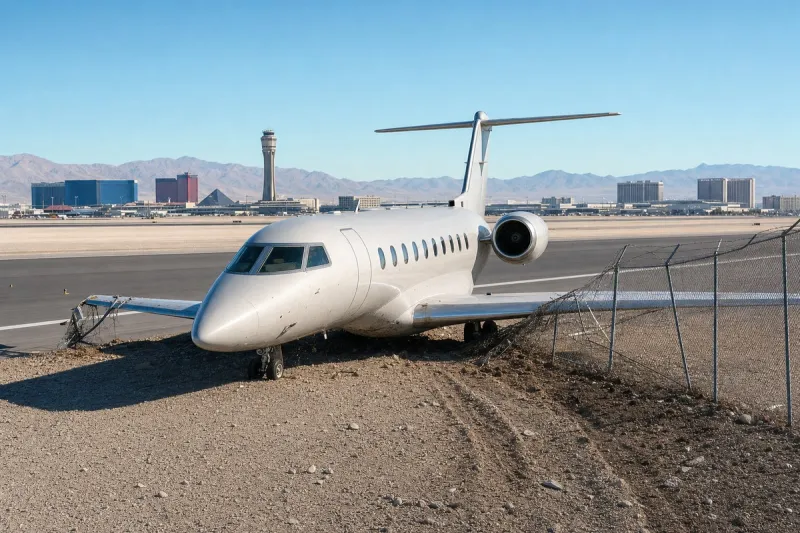
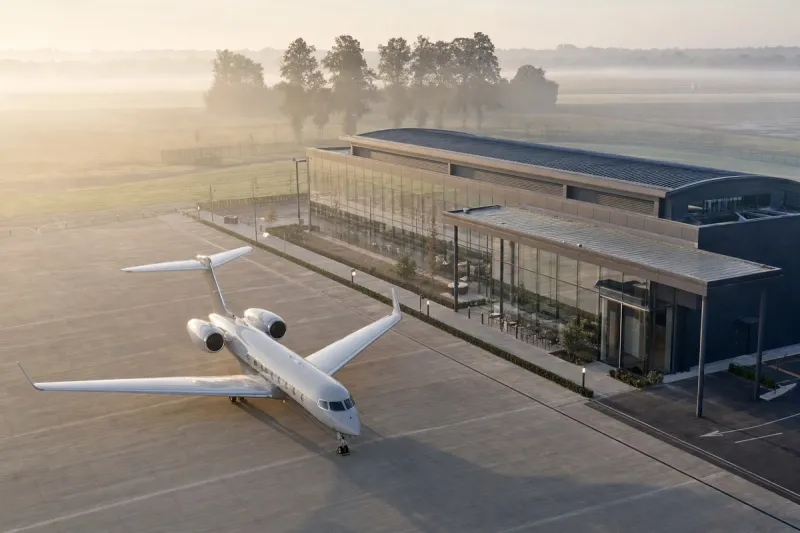
Coca-Cola's Gulfstream G600, registration N966RW, flew from Salt Lake City International Airport to Dobbins Air Reserve Base in Marietta, Georgia. It departed at 17:45 UTC and landed at 20:55 UTC, spending 3 hours and 11 minutes in the air. The great-circle distance was 1,370 nautical miles (1,577 miles), about 21 percent of the aircraft's range.
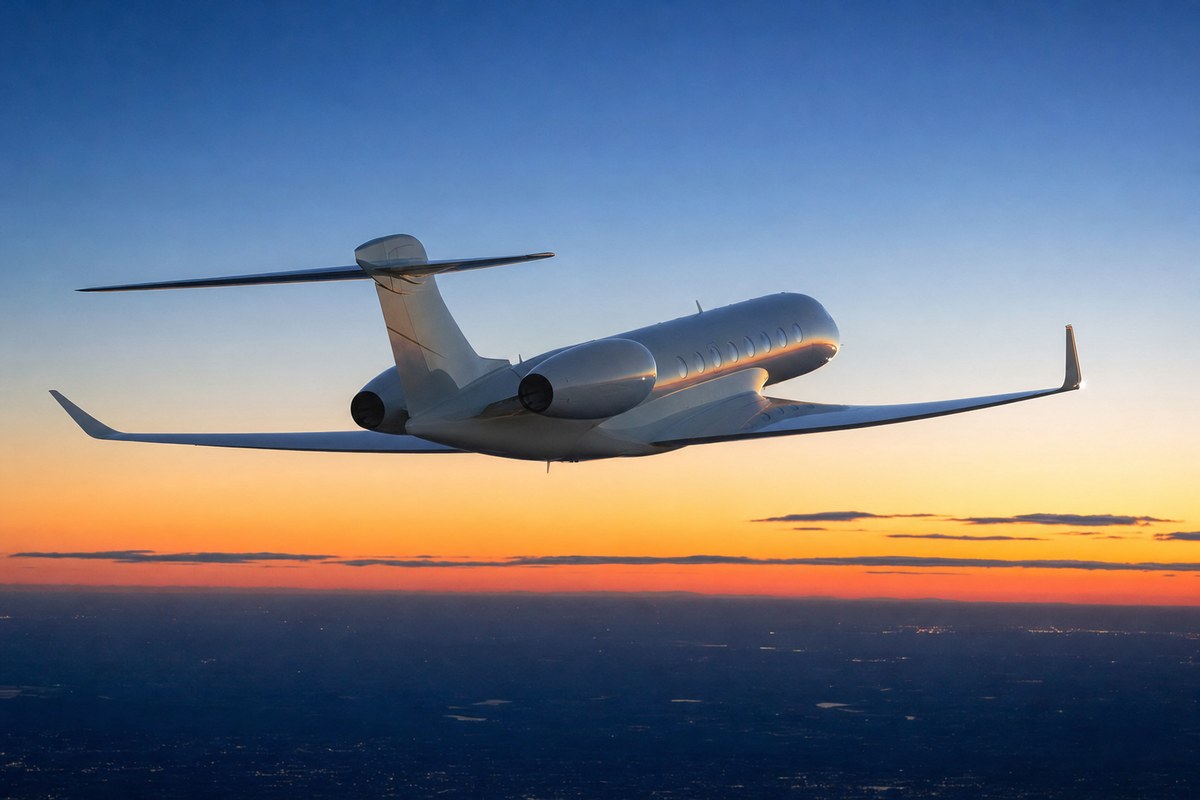
The jet averaged a ground speed of 431 knots and reached a top speed of 546 knots. Estimates put fuel burn at about 1,399 US gallons and CO2 emissions at about 13,437 kg.
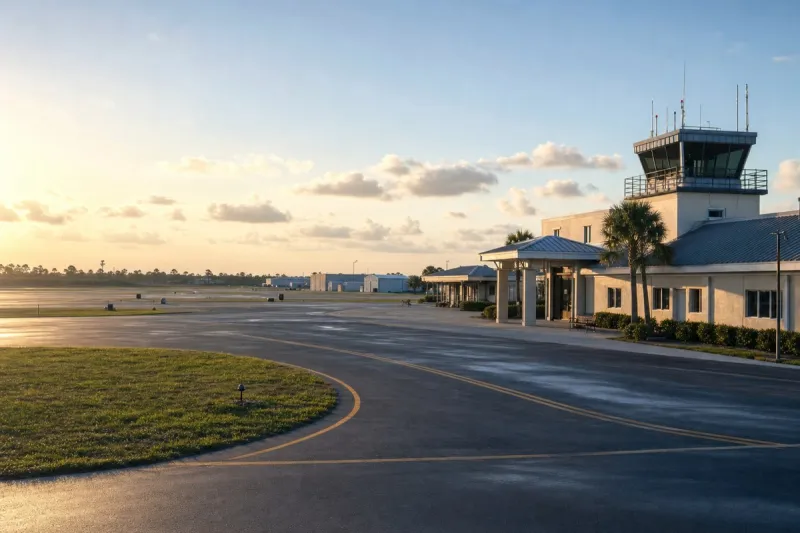
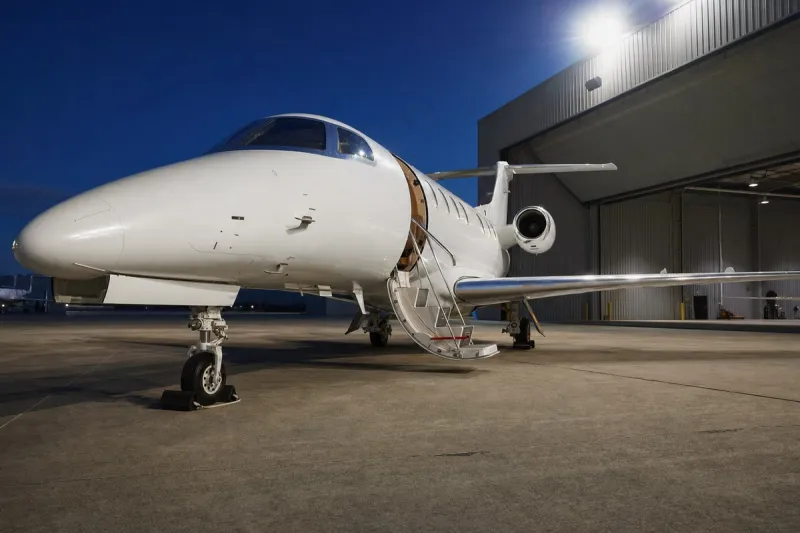
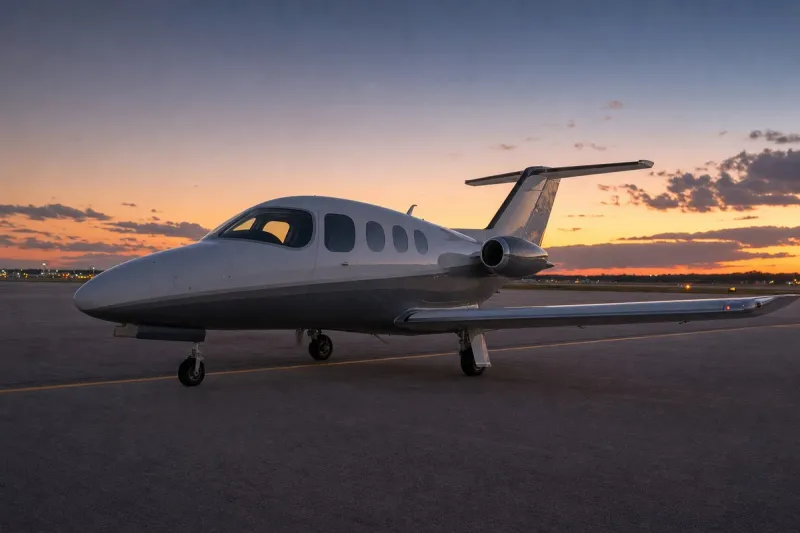
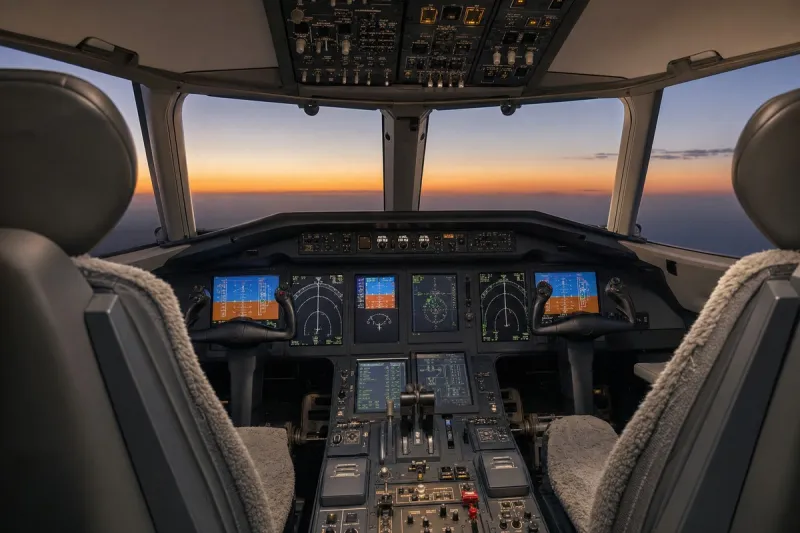
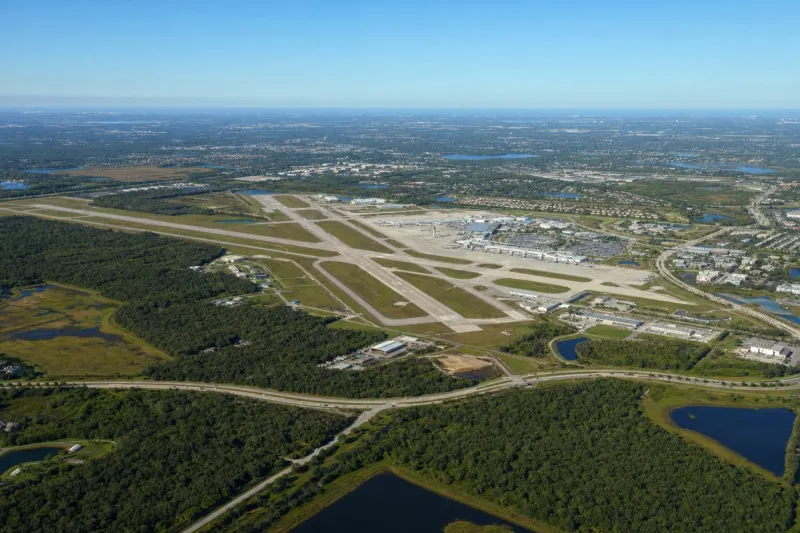
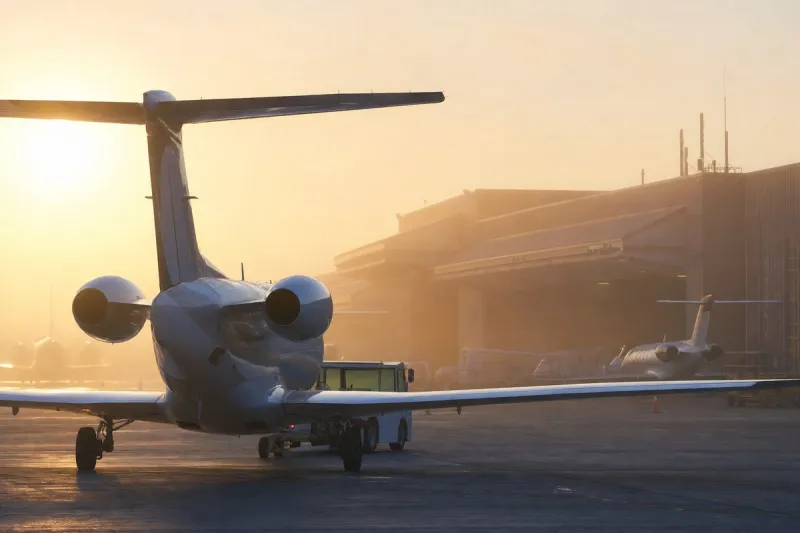
The Gulfstream G600 is an ultra long range jet with a range of 6,600 nm, a ceiling of 51,000 feet and seating for up to 19 passengers. Its top speed is Mach 0.925, or 515 knots, and it burns an estimated 440 US gallons of fuel per hour. Salt Lake City International Airport has a longest runway of 12,002 feet at an elevation of 4,227 feet; Dobbins Air Reserve Base has a longest runway of 10,002 feet at an elevation of 1,068 feet.
This was the second landing at Marietta by one of Coca-Cola's three tracked aircraft between October 19 and October 22. The earlier one came on October 20 by N890RW, another Gulfstream G600, which flew from Marietta to Augusta and back, 130 nm each way. The fleet's home base is Fulton County Airport Brown Field in Atlanta, 8 nautical miles from Dobbins.
Before this flight, N966RW had been on the ground for about three days; its previous tracked landing was on October 19 at Salt Lake City. N966RW is a 2024 airframe, one of three Gulfstream G600s operated by Coca-Cola's flight department, and is registered to Bank of Utah Trustee, a standard arrangement that shields the owner's name from the public registry. The RW suffix in the tail number refers to Robert W. Woodruff, who ran Coca-Cola from 1923 to 1954.
Industry impact & what to watch
Public tracking of corporate aircraft has turned routine positioning flights into a readable record. A single leg now yields duration, ground speed, fuel burn and CO2 estimates, and the surrounding days show how a fleet is being rotated between airports. For flight departments at large companies, that visibility is a standing feature of operating a tracked tail number, trust registration or not.
The 1,370 nm leg used about a fifth of the G600's 6,600 nm range, which is typical of how ultra long range cabins are used domestically: the capability sits mostly in reserve, and the aircraft is chosen for cabin, speed and schedule control rather than for distance. The fuel and CO2 figures here are estimates, so they indicate scale, not audited emissions.
The Marietta arrivals on October 20 and 24 put two of the three tracked aircraft at an airfield 8 nautical miles from the fleet's Atlanta home base, with no reason for the trips established. Absent a stated purpose, the pattern itself is the only evidence, and further movements of the third aircraft would be the next data point on how the fleet is being used.