ST Engineering's Stockholm Nacelle MRO Facility Handles Mature and Newer Platforms, With 5,000 m2 Expansion Due March 2027
Why It MattersNacelle repair capacity that spans both ageing and current-generation types shows how independent MROs with OEM licences hold work as composite-heavy parts and scarce legacy spares make in-house repair valuable.
What happened
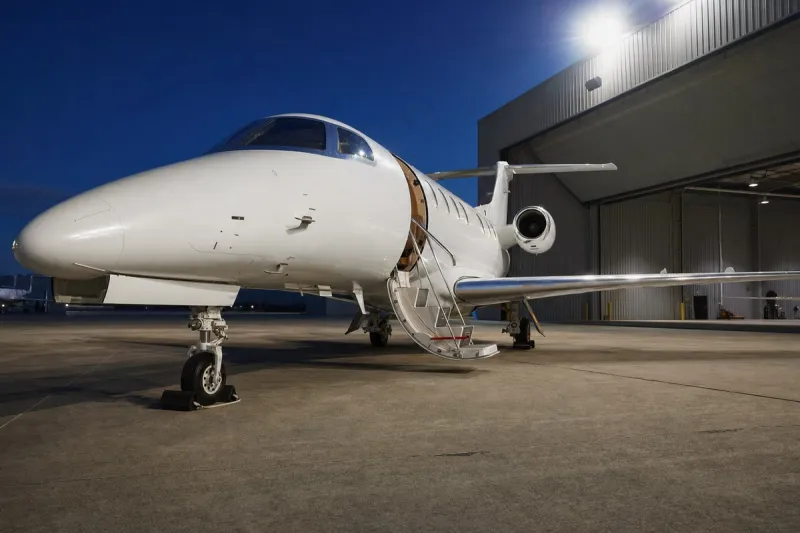
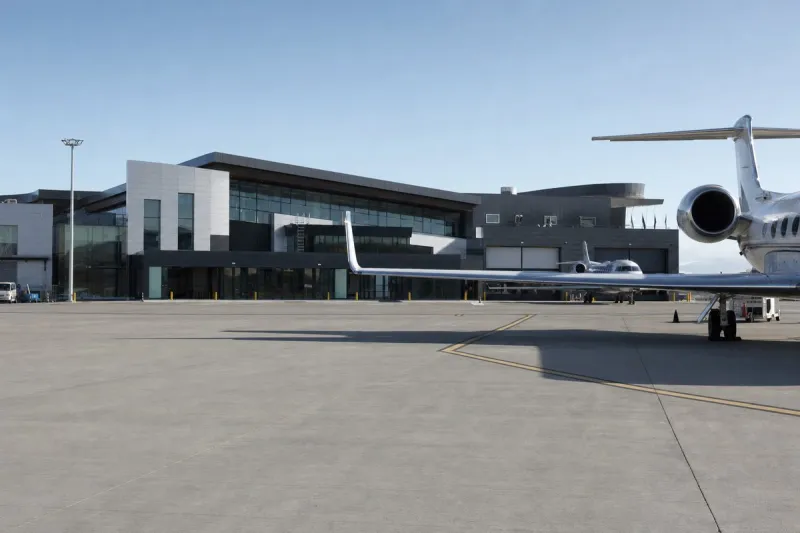
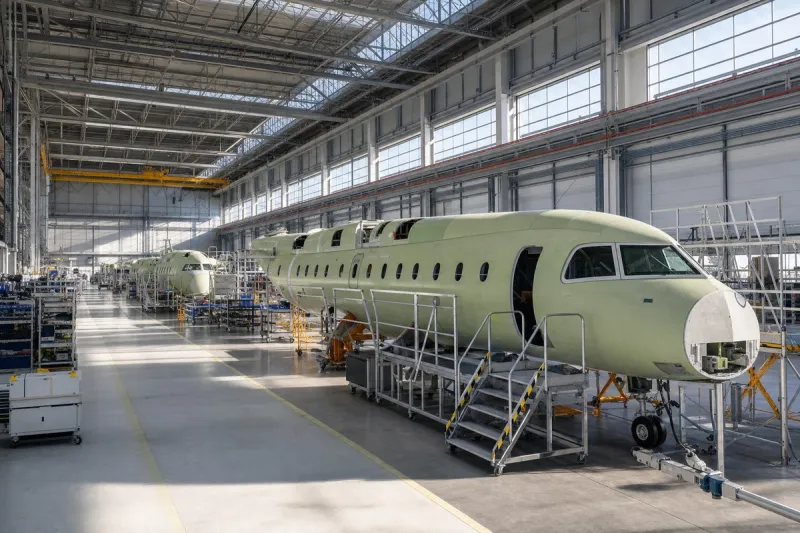
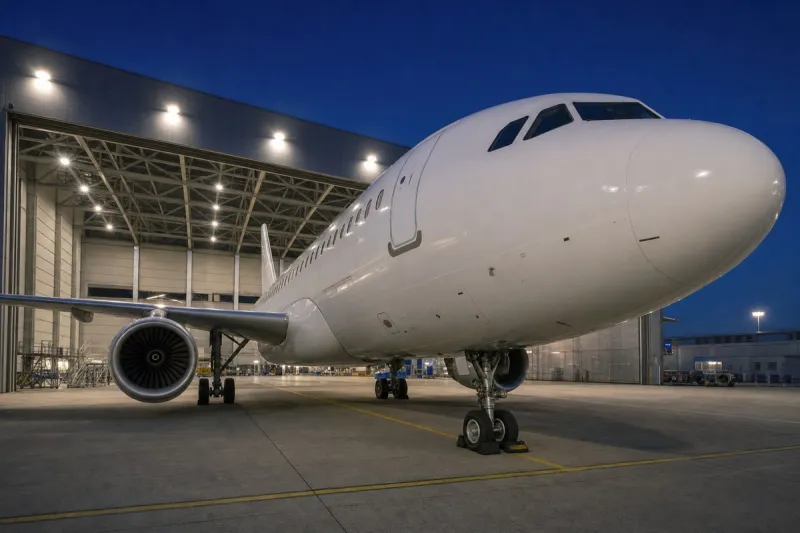
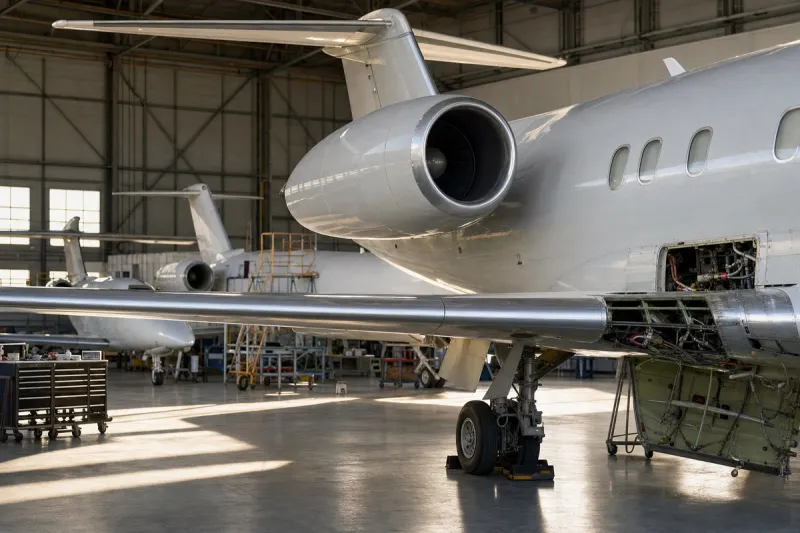
ST Engineering's nacelle maintenance, repair and overhaul facility in Stockholm supports both aging and newer-generation aircraft. The company continues to service nacelles for mature platforms such as the Airbus A300 powered by Pratt & Whitney PW4000 engines, saying this helps operators extend service life as parts availability becomes more difficult. Its Stockholm nacelle work also covers the Boeing 787 and Airbus A320neo, a mix the company attributes to its position as both an independent MRO provider and an OEM-licensed repair organization.
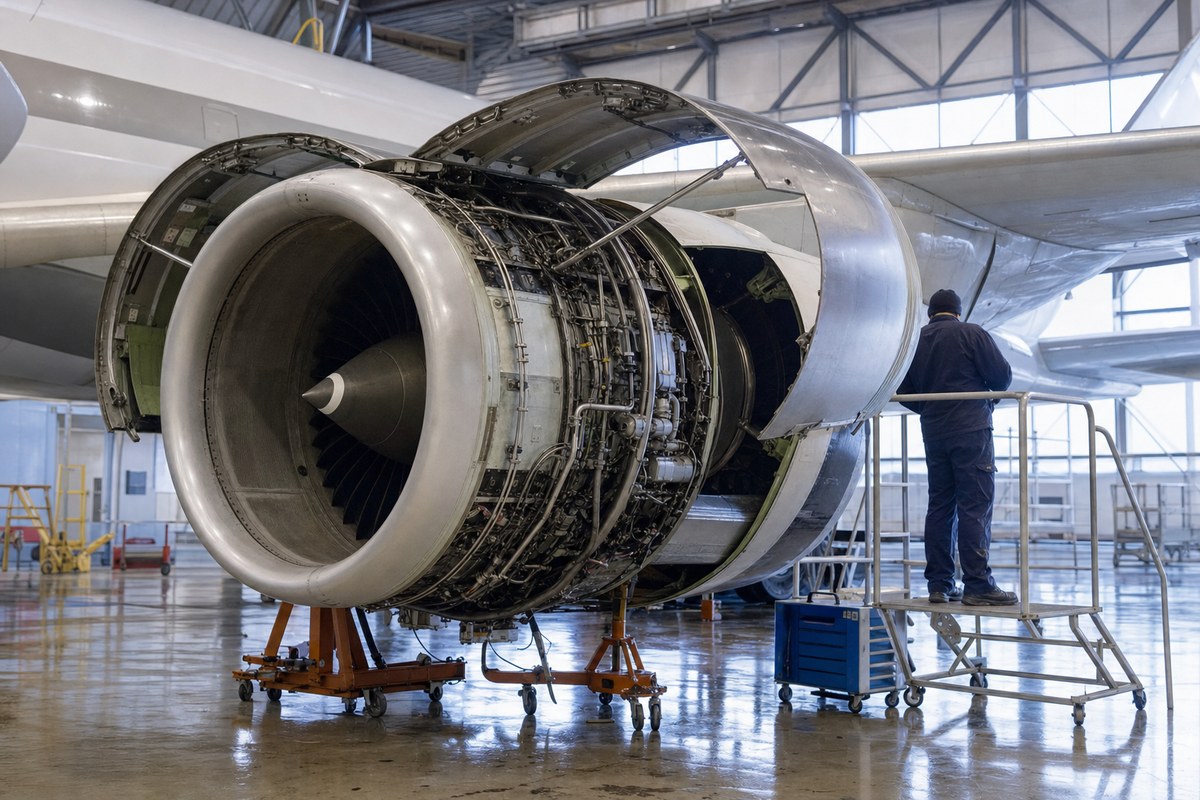
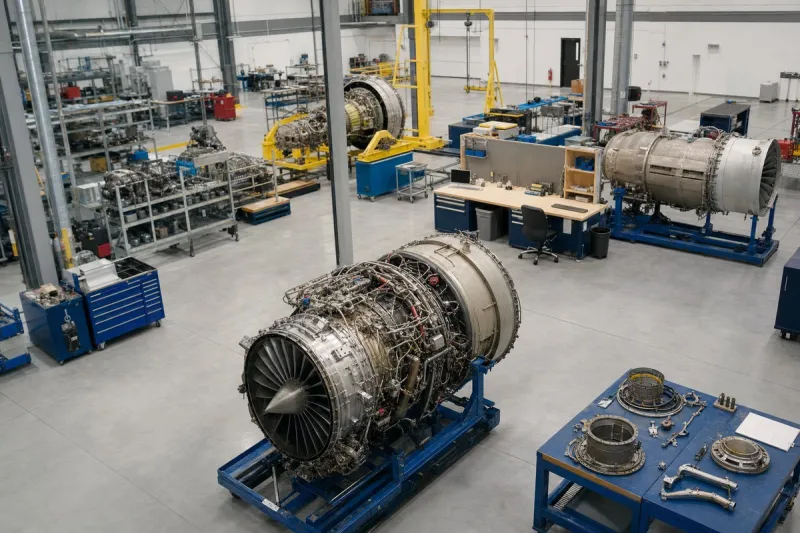
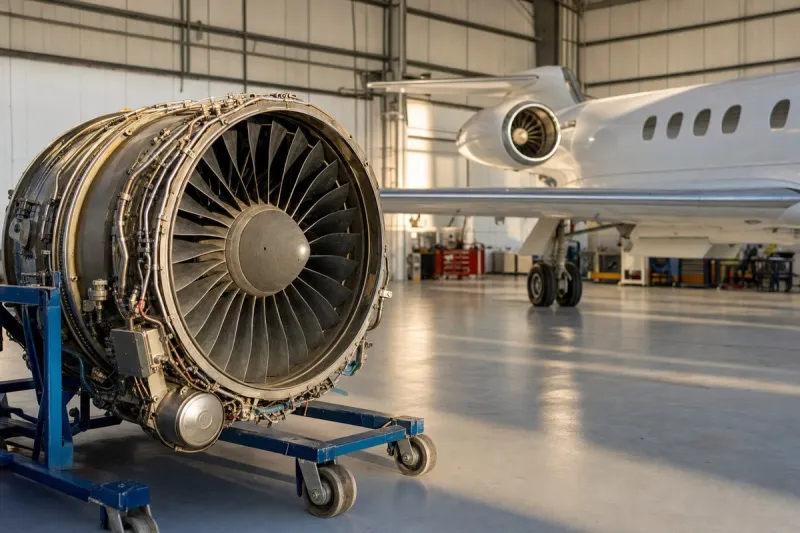
Components seen at the facility include a 787 inlet cowl undergoing structural assessment after lip skin damage, a Rolls-Royce Trent 700 thrust reverser from an Airbus A330 under maintenance, a Rolls-Royce thrust reverser translating sleeve from a 787, and a 787 thrust-reverser heat shield being refurbished. A Trent 700 thrust reverser was undergoing receiving inspection, after which the unserviceable unit will be moved to a working fixture for disassembly, cleaning, inspection and evaluation.
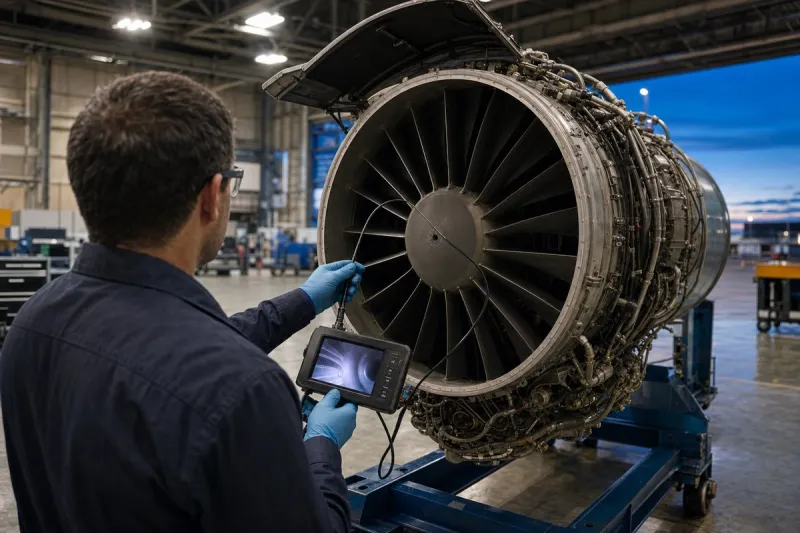
ST Engineering says inspections must identify hidden damage before repair or replacement, and that composite structures require specialized repair capability. The company uses dedicated fixtures to remove and reinstall composite structures while maintaining form, fit and function during major repairs, and uses bond tools and autoclave processes to restore composite structures while preventing deformation during heat and pressure cycles. It highlights the tight tolerances involved in replacing acoustic panels. Repairs are performed where permitted by OEM limits.
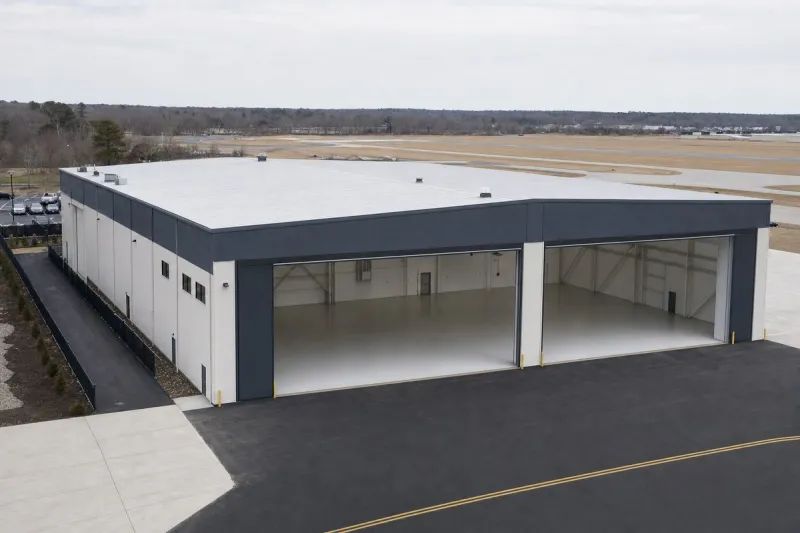
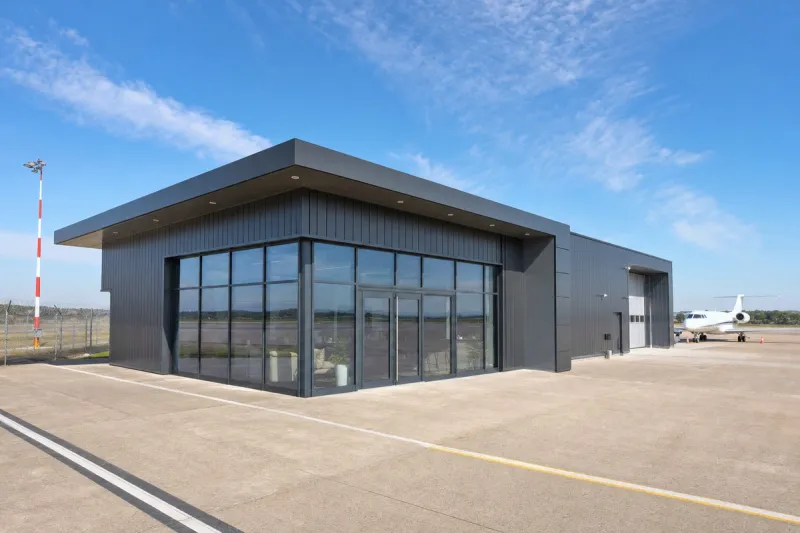
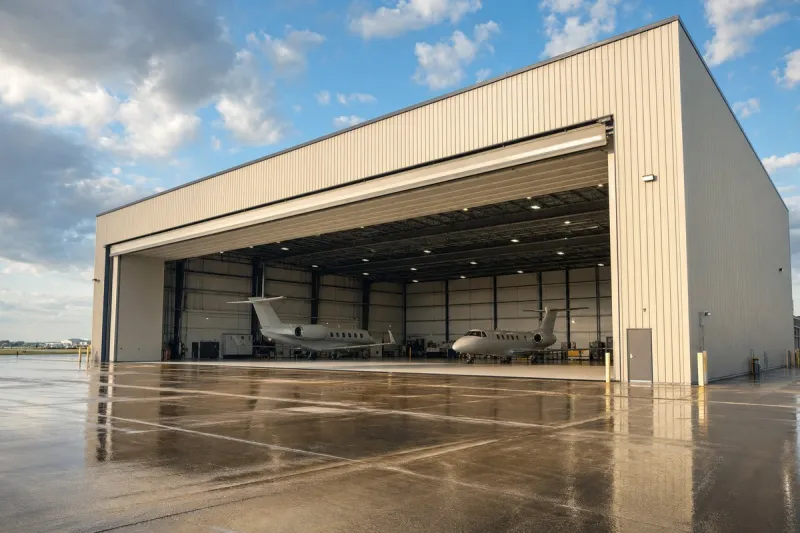
The Stockholm facility is undergoing a further expansion of approximately 5,000 m2, scheduled for completion in March 2027.
Industry impact & what to watch
Nacelle work sits in a part of the MRO market where the damage that matters is often invisible from the outside. Inlet cowls, thrust reversers and acoustic panels are composite-intensive, so the shop that can inspect for hidden damage, hold form, fit and function in a fixture, and run bonding and autoclave cycles without distortion is the one that can return a part to service instead of scrapping it. That capability is what lets an operator keep a ageing type flying when new parts are hard to source.
The pairing of legacy and current types under one roof also reflects how independent providers hold their position. Carrying OEM licences alongside independent status lets a single facility serve operators of mature fleets and of newer aircraft, which spreads its workload across different points in the fleet life cycle rather than tying it to one programme.
The next dated milestone is the roughly 5,000 m2 expansion due in March 2027. How much of that space goes to composite repair, and which platforms it is configured for, will show whether the added capacity leans toward legacy support or newer-generation types.