McKinsey: Ageing Jets, Maintenance and Airport Capacity Squeeze Private Flying as Demand Grows
Why It MattersBusiness aviation's constraint is moving from buying aircraft to keeping them serviceable and housed, so maintenance slots, crews and parking now shape access for every ownership model.
What happened
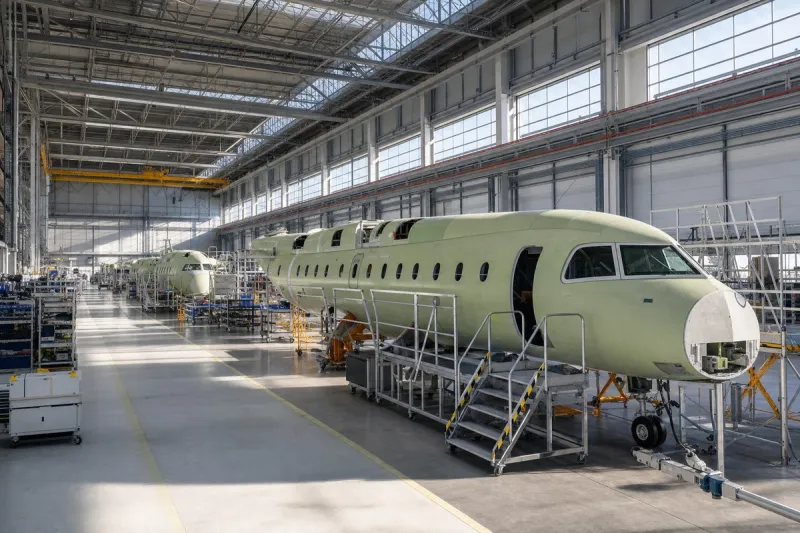
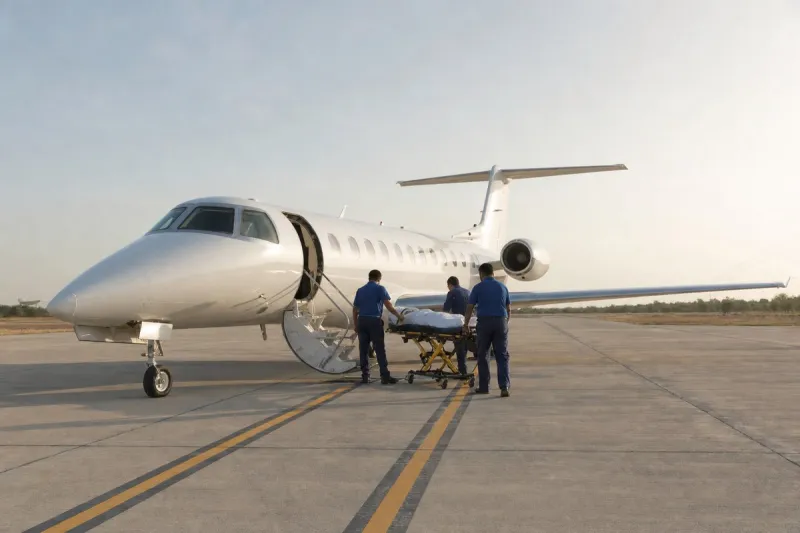
A McKinsey report published on October 19 says growing demand for private flying is putting pressure on aircraft supply, maintenance capacity and airport infrastructure. The cited figures indicate that global business-jet departures reached 3.9 million in 2025, while manufacturers delivered 842 new jets, well below the 1,290 delivered at the 2008 peak. Those are annual deliveries, not the total fleet.

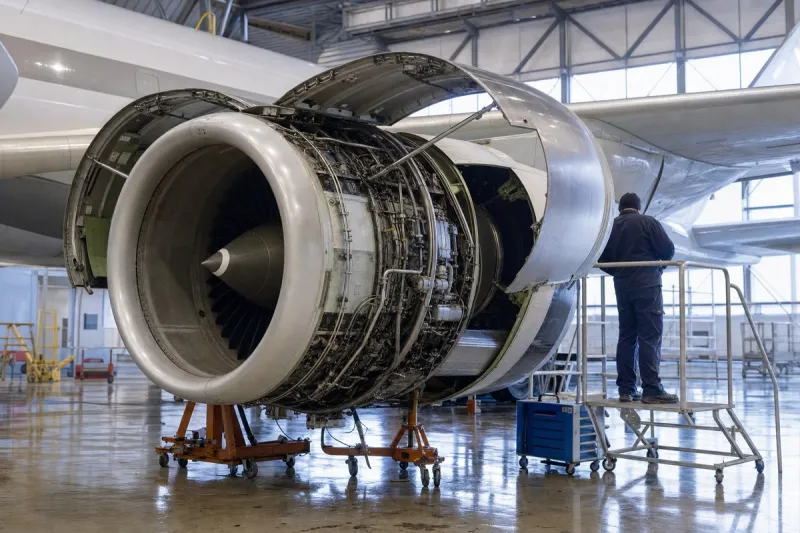
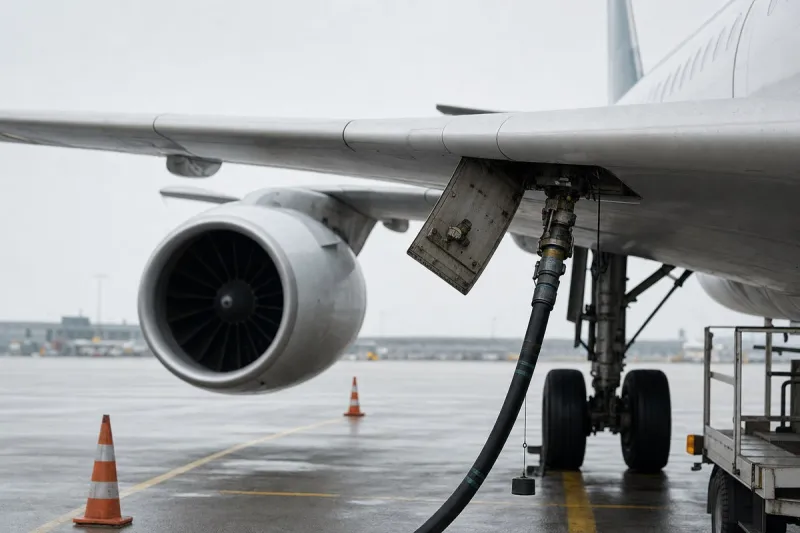
The fleet has kept growing on modest deliveries because fewer existing aircraft left service. Annual retirements fell from about 300 in 2019 to approximately 110 in 2025. Older aircraft helped meet post-pandemic demand, but expensive maintenance milestones could push some into retirement before replacements arrive. Maintenance can fall due by calendar time, hours flown or flight cycles, and an aircraft awaiting maintenance, repair and overhaul (MRO) work is unavailable until it returns to service. Age alone does not establish an aircraft's condition; maintenance history, usage and inspections also matter.
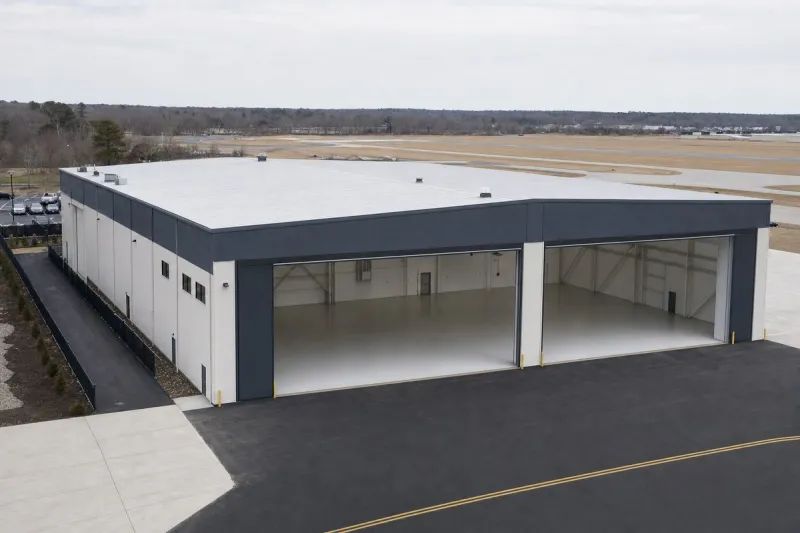
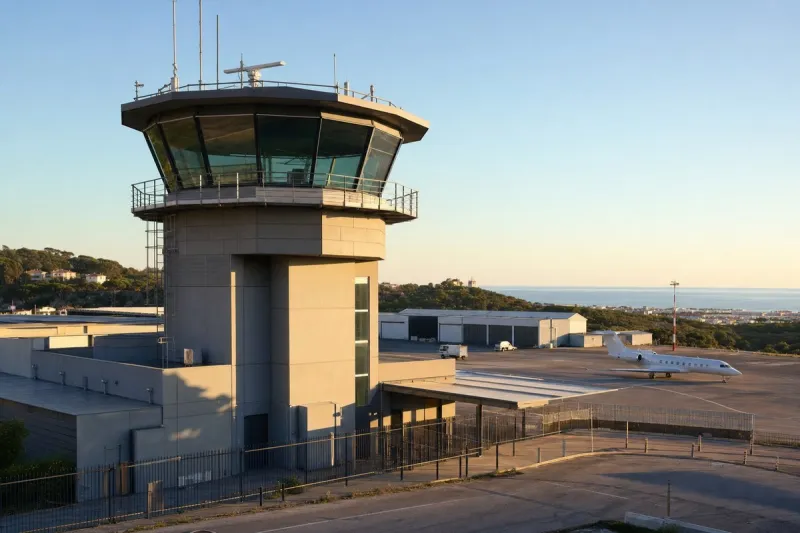
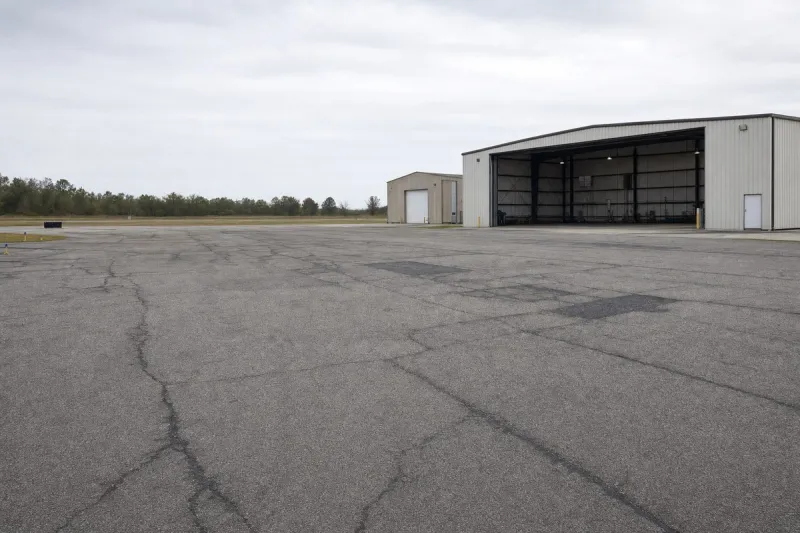
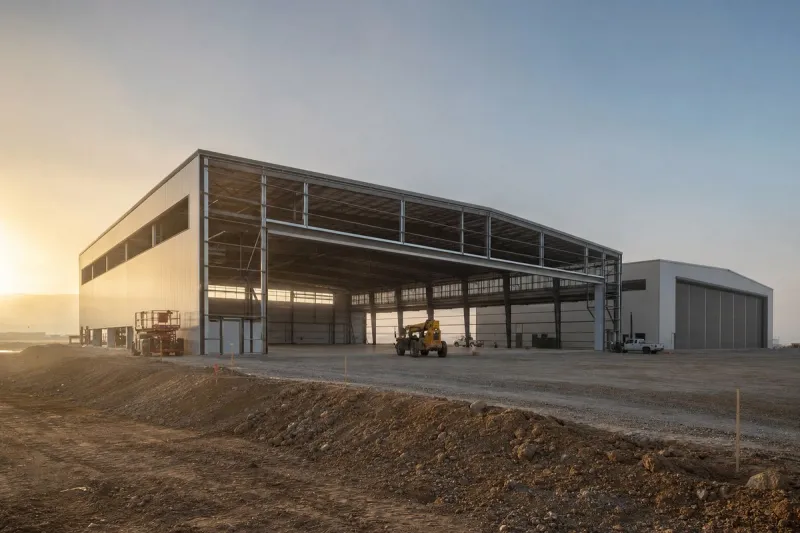
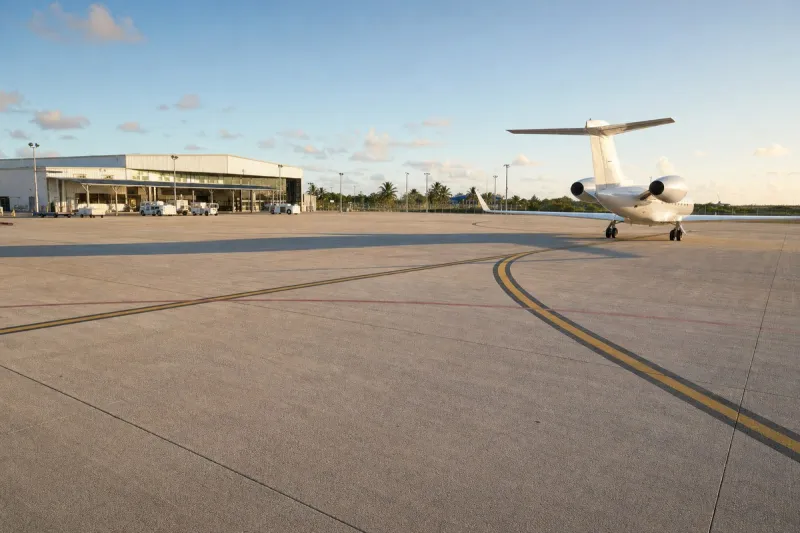
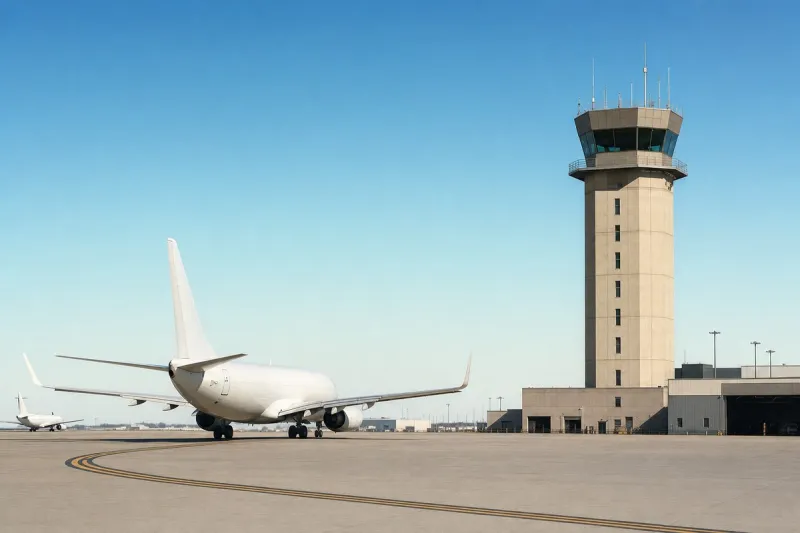
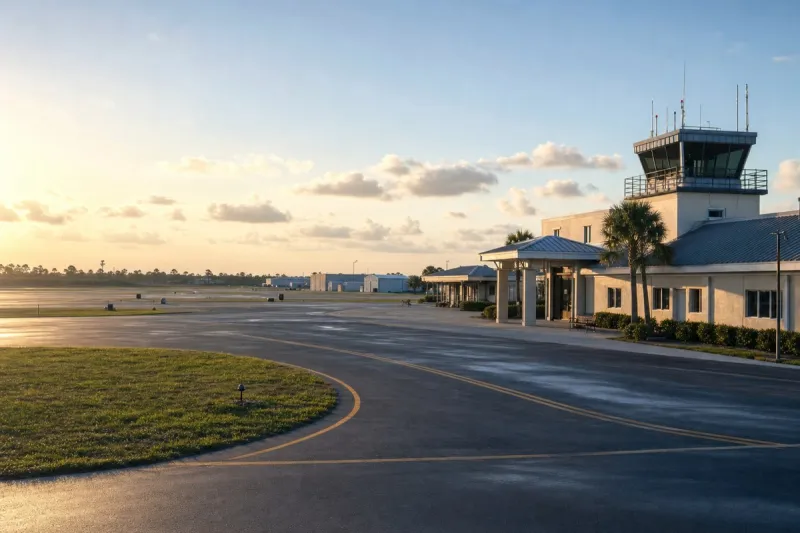
JETNET's October market assessment puts the major manufacturers' combined business-jet backlog at $61.6 billion. McKinsey's report also describes growing pressure on airport infrastructure, maintenance facilities and personnel as demand shifts between destinations. Arriving at an airport and being able to park there overnight are separate questions, and operators may have to position an aircraft elsewhere, adding flying, scheduling and cost.
In India, the Business Aircraft Operators Association has raised parking, general-aviation facilities and related charges with authorities, and has described discussions on aircraft financing and maintenance-related approvals. Delhi airport says it has two fixed-base operators (FBOs), alongside maintenance providers, serving business and general aviation.
Industry impact & what to watch
The figures describe a segment where the binding limit is no longer only how many aircraft can be built. With 842 deliveries a year against a $61.6 billion backlog, new supply arrives slowly, so the existing fleet carries much of the load, and its availability depends on when aircraft clear their maintenance milestones.
That shifts value toward the unglamorous parts of the chain: MRO slots, qualified technicians, hangar and parking space, and ground handling. Outright ownership, fractional programmes, jet cards and charter all draw on the same physical aircraft, crews and airport access, so changing the commercial wrapper does not create capacity. Pressure at any one choke point, such as a heavy-check queue or a congested airport, passes through to every model.
The retirement trend is the figure to track. If expensive maintenance events push more older jets out of service before new deliveries catch up, available lift tightens further; if retirements stay near 110 a year, the fleet keeps growing on its current path.