Cayman Islands Airports Authority Tenders Apron Expansion for Private Jets at Owen Roberts International Airport
Why It MattersAirports facing a decade of near-doubled private jet traffic are being pushed to treat general aviation apron space as core infrastructure, and funding it from public capital shapes who bears the cost.
What happened
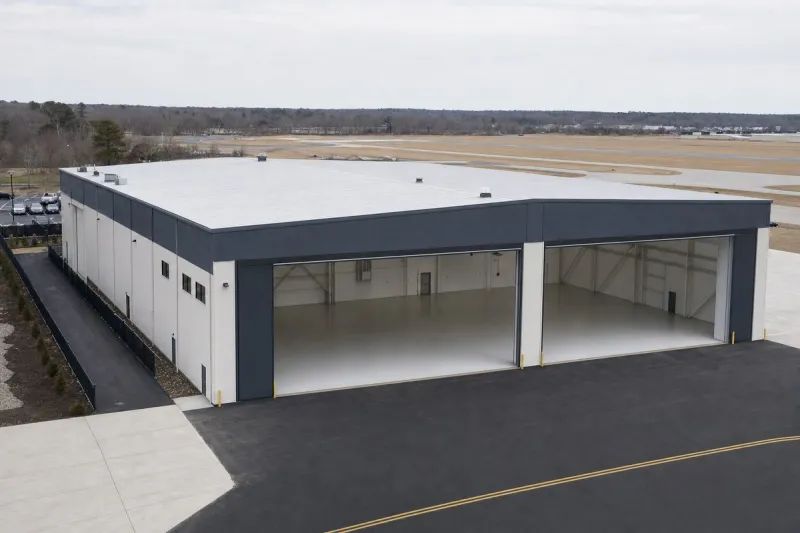
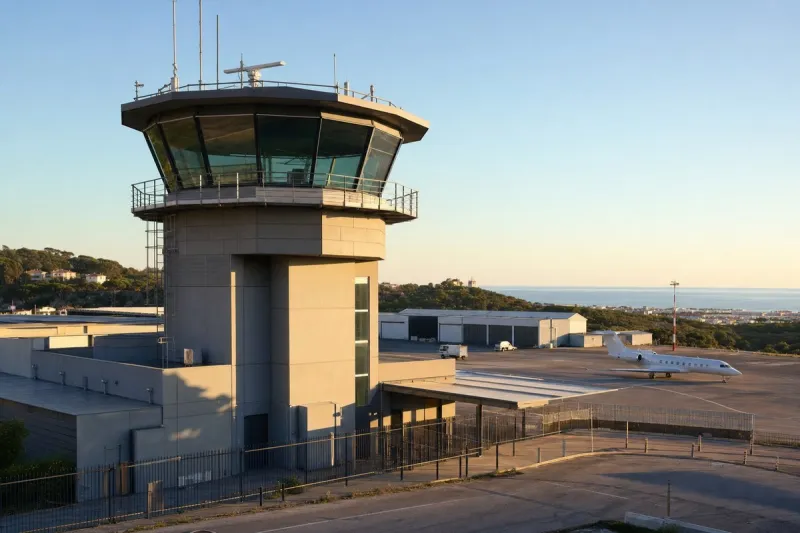
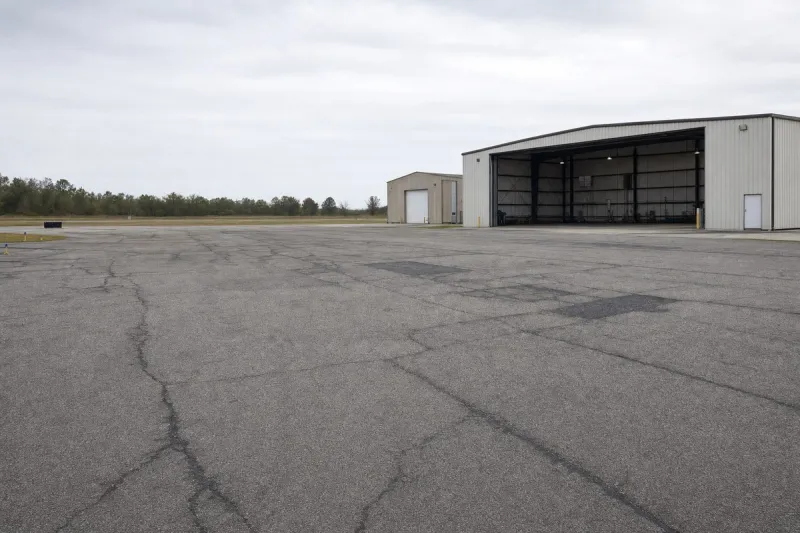
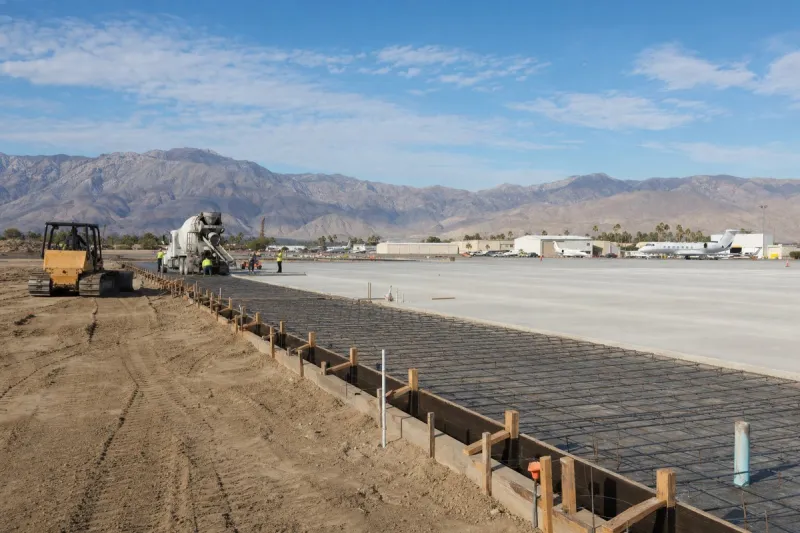
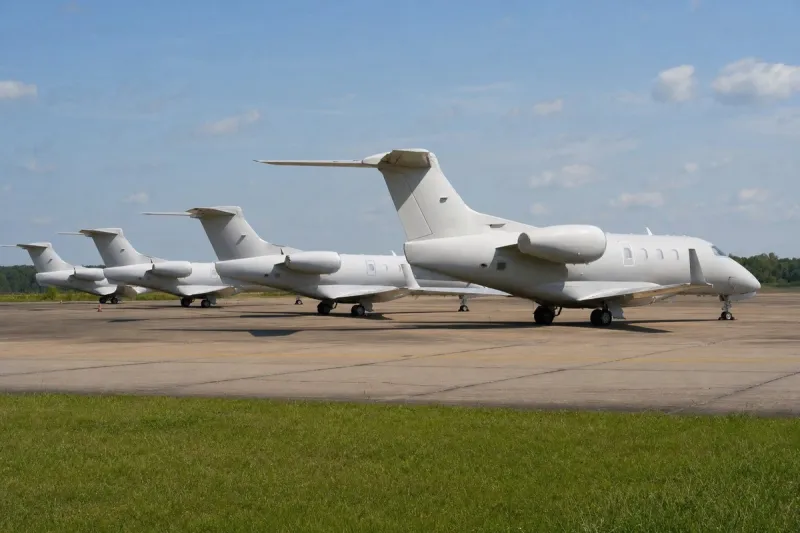
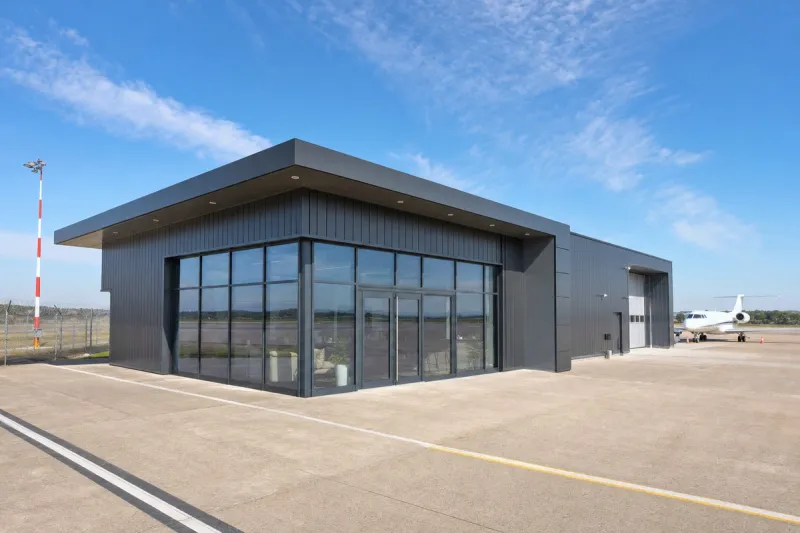
The Cayman Islands Airports Authority (CIAA) has put out to tender a major expansion of aircraft parking at Owen Roberts International Airport, centred on the General Aviation Terminal (GAT). The request for proposals (RFP), issued on 15 October, seeks contractors to extend the existing commercial apron to add three new Code C aircraft stands, build a general aviation overflow apron with two concrete pads for private jets, and construct an additional Code E taxiway. The new taxiway is meant to ease congestion and provide redundancy if the current Code E route is closed for maintenance.
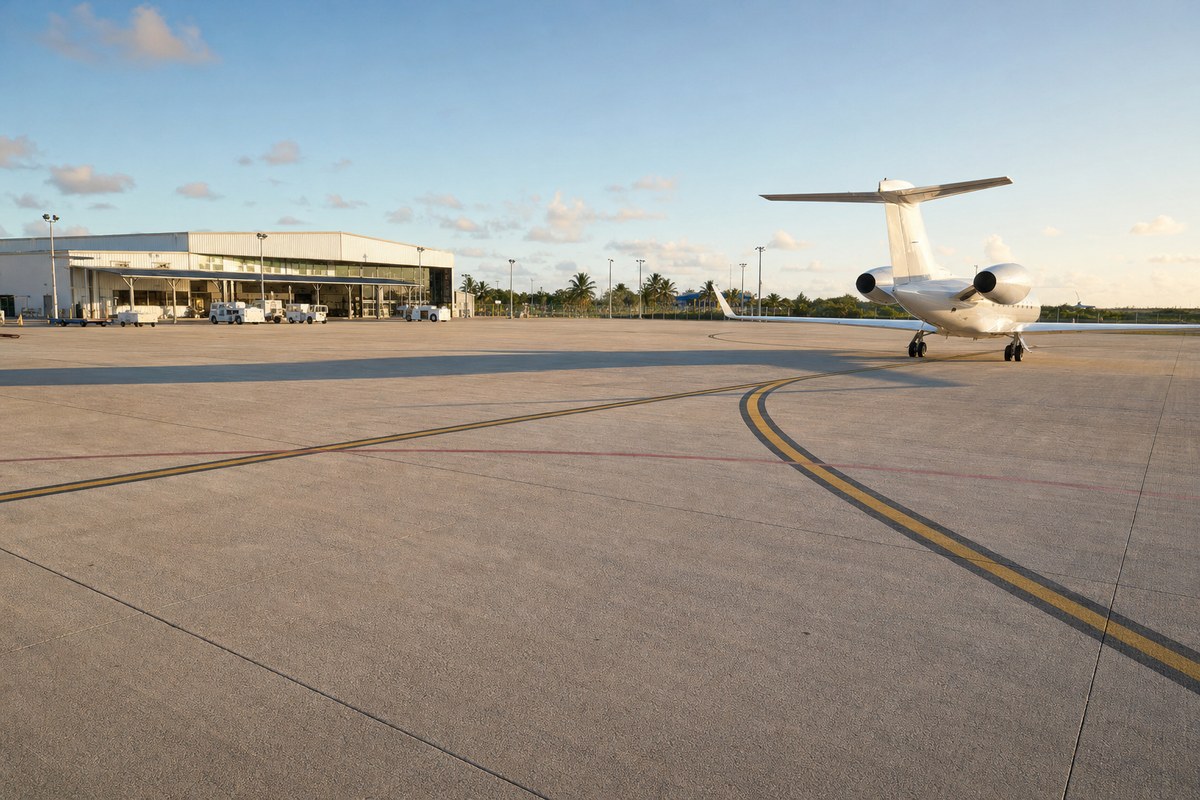
The authority cites rising tourism and seasonal spikes in private jet arrivals that have pushed apron capacity to its limits, causing "apron congestion, inefficient aircraft turnaround [and] operational delays". The RFP states that existing parking capacity may become constrained during periods of high aircraft movements. Private jet traffic has almost doubled over the last decade.
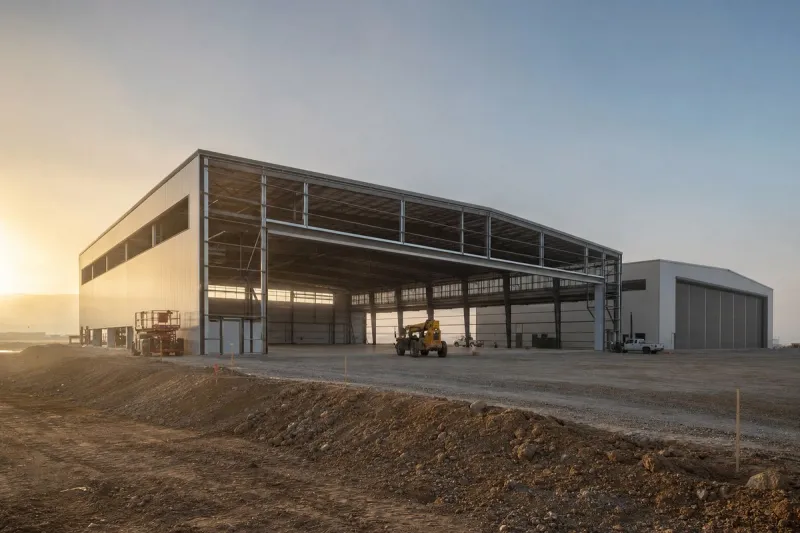
The works include more than 54,000 cubic metres of excavation, more than 115,000 cubic metres of rock fill, nearly 25,000 tonnes of asphalt, extensive drainage works, new airfield lighting, utilities and access roads. Construction is expected to begin in the second quarter of 2027, with substantial completion targeted for March 2028. The airport will remain open throughout, so contractors must work around active aircraft operations, including night-time closures for the taxiway tie-in.
The RFP confirms that all construction, utilities and associated works will be funded through government capital spending, and the tender makes no mention of cost recovery from private jet operators. The previous administration had planned to spend CI$42 million to rebuild the General Aviation Terminal; the NCFC has pulled back from that plan and is now seeking a public-private partnership for the apron project, which is going through the procurement process. Bids are due by 27 January 2027, and the contract is expected to be awarded in March.
Industry impact & what to watch
Island airports that depend on tourism tend to feel private jet demand first in apron space, not in terminal capacity. When parking fills during peak weeks, the cost shows up as slower turnarounds and aircraft waiting for stands, which is the operational pain the CIAA describes. Dedicating overflow pads to general aviation, and adding a second Code E taxiway for resilience, treats private aviation as a permanent traffic stream to be planned for, not a seasonal exception.
The funding structure is the other half of the story. With construction paid from government capital and no cost recovery from operators mentioned, the burden of accommodating more private jets sits with the public purse for now. The shift away from the CI$42 million terminal rebuild toward a public-private partnership for the apron suggests the financing model is still being worked out, and that is where the most consequential decisions remain.
The next dated markers are the 27 January 2027 bid deadline and the March contract award. Those will show which contractors are willing to work around live operations, including night-time taxiway closures, and whether the partnership route takes shape before construction starts in the second quarter of 2027.