A321XLR Operators Schedule Routes of 3,400-4,000 NM, Well Short of Airbus's 4,700 NM Maximum Range
Why It MattersPublished maximum range is a ceiling set against a fixed takeoff weight, so the routes airlines schedule show what payload and fuel permit together, a different measure from the marketed figure.
What happened
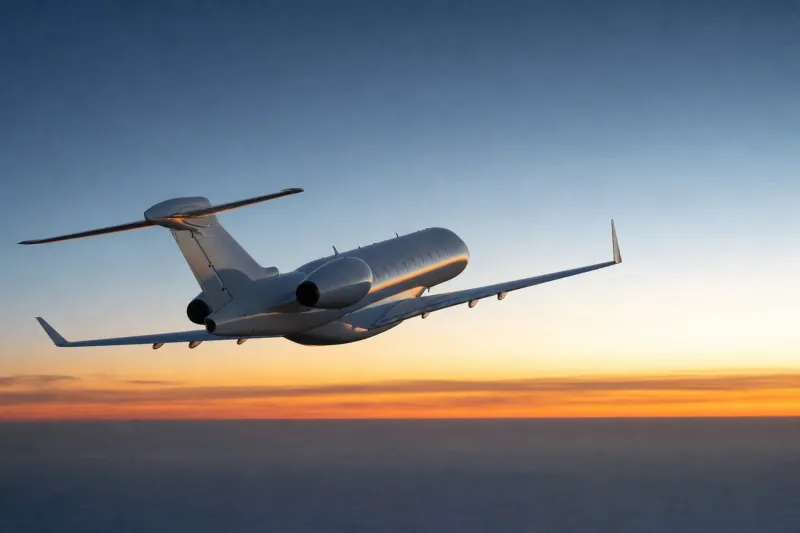
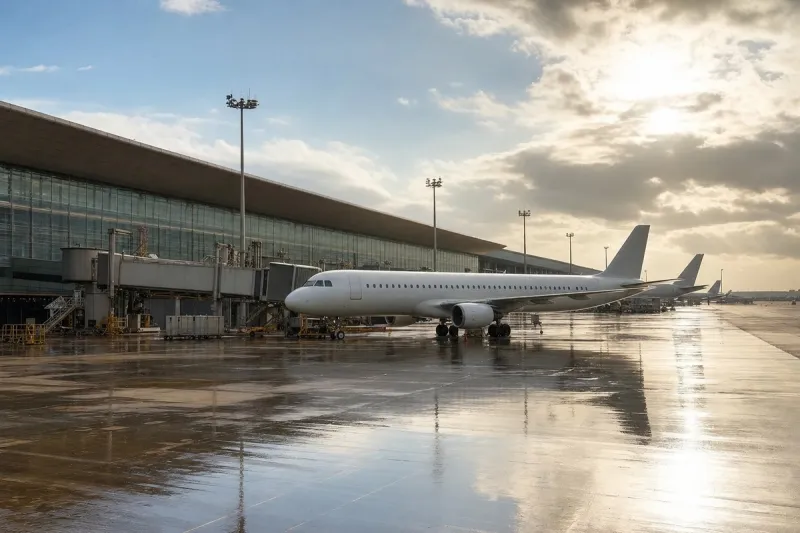
The Airbus A321XLR is marketed with a maximum range of 4,700 nautical miles. Commercial flight data shows that many operators fly only about 70% to 80% of that distance.
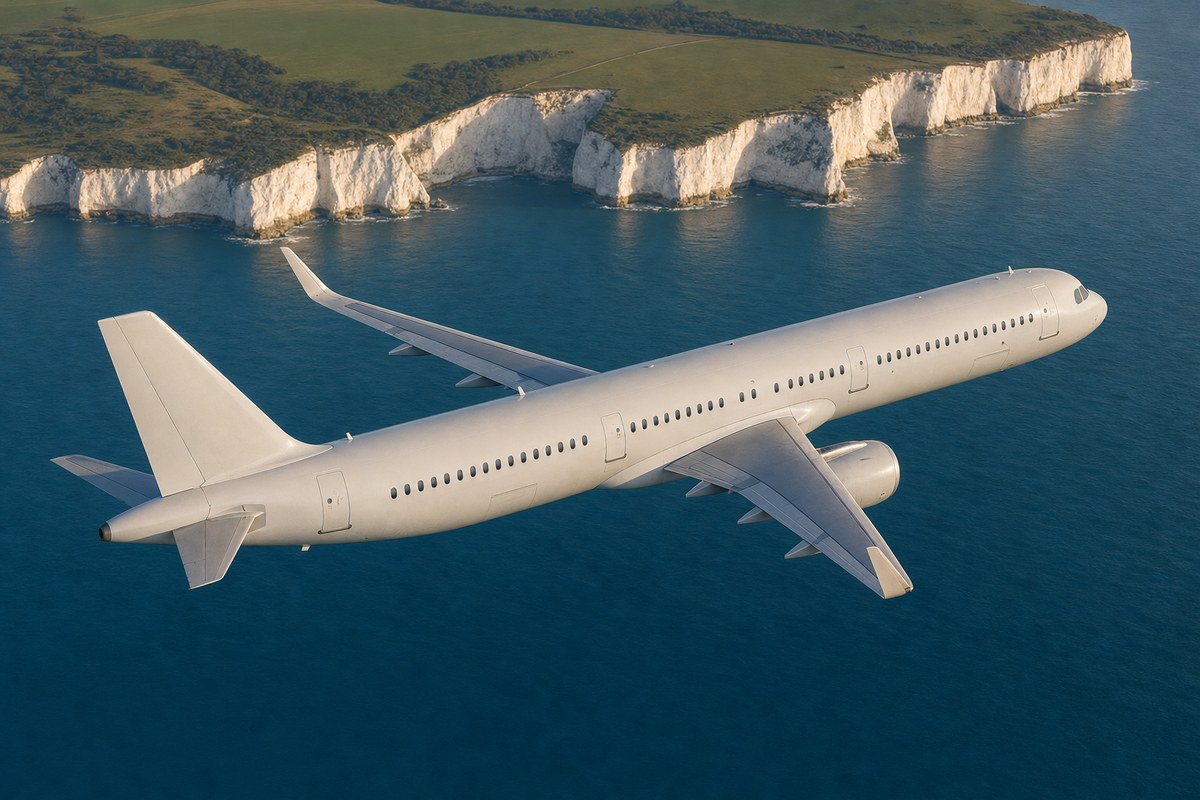
Most current adopters have chosen routes of 3,400 to 4,000 nautical miles, equal to 5,555 to 7,400 km. Air Canada began regular Montréal–Lyon service with the type on September 8, replacing widebody jets on the route. At about 3,100 nautical miles (5,741 km), that sector sits below the band most operators have chosen.
The gap is attributed mainly to payload. Every pound of cabin weight competes with fuel under the aircraft's fixed maximum takeoff weight.
Industry impact & what to watch
A maximum-range figure describes what an aircraft can do under one set of conditions, not what an airline can sell on a typical day. Under a fixed maximum takeoff weight, extra range is bought by carrying less cabin load, so a route planned near the limit gives up seats or cargo. Airlines schedule well inside the figure to keep the aircraft commercially full.
The Air Canada case shows how that works in practice. Montréal–Lyon replaces widebody flying on a sector shorter than the 3,400 to 4,000 nautical mile band, which points to the A321XLR's value being right-sizing a route for demand as much as reaching further. Fewer seats per departure can make a thinner transatlantic market workable.
The next evidence will come from the sectors operators add or drop as they gain experience with the type. Routes approaching the top of the 4,700 nautical mile figure would show where payload limits stop mattering to the economics.