Aliko Dangote Says He Bought His First Private Jet Before Age 23 and Owned 27 Cars, Now Warns Young Entrepreneurs Against Lavish Spending
Why It MattersA founder's account of buying an aircraft by impulse, with no adviser, shows how entrepreneur-driven business-aviation demand is shaped by personal motive and earnings rather than formal fleet planning or utilisation analysis.
What happened
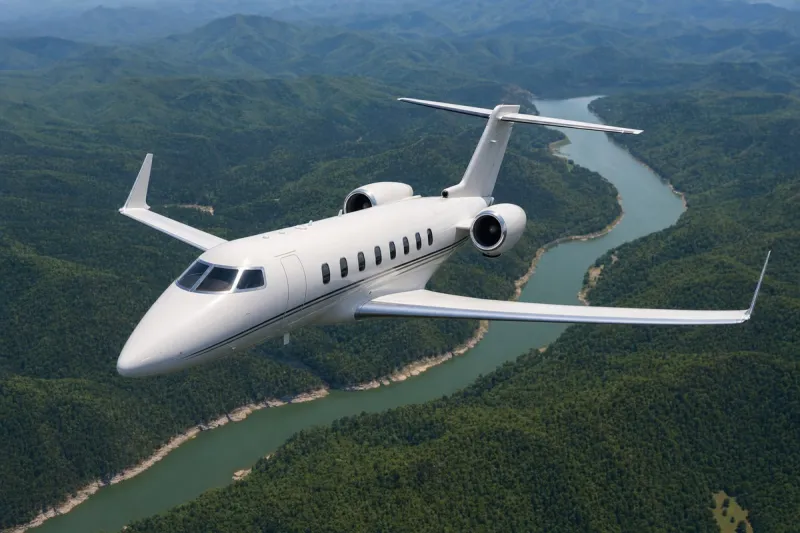
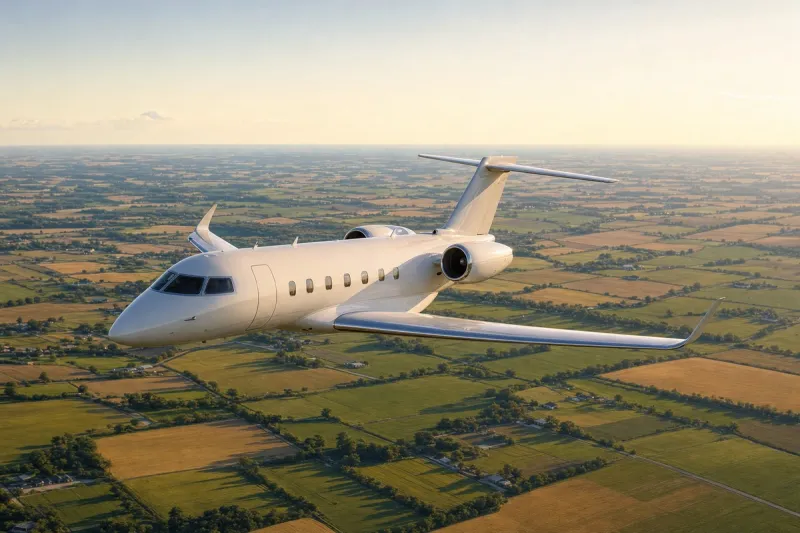
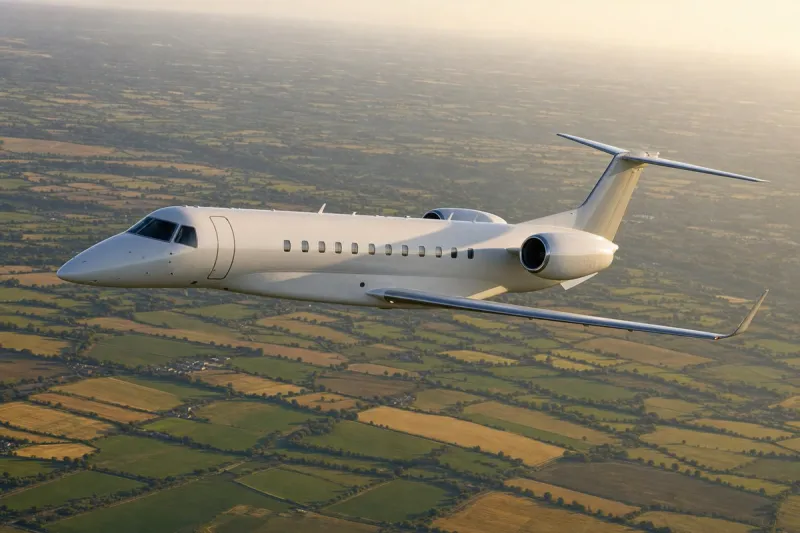
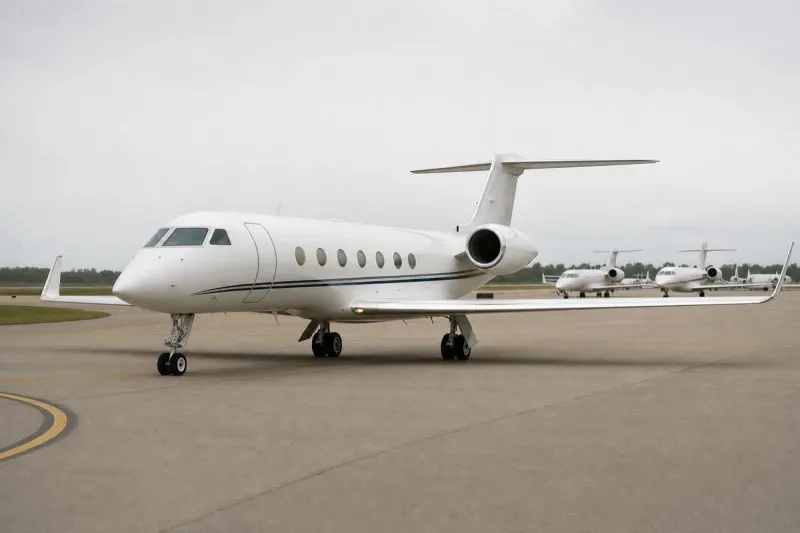
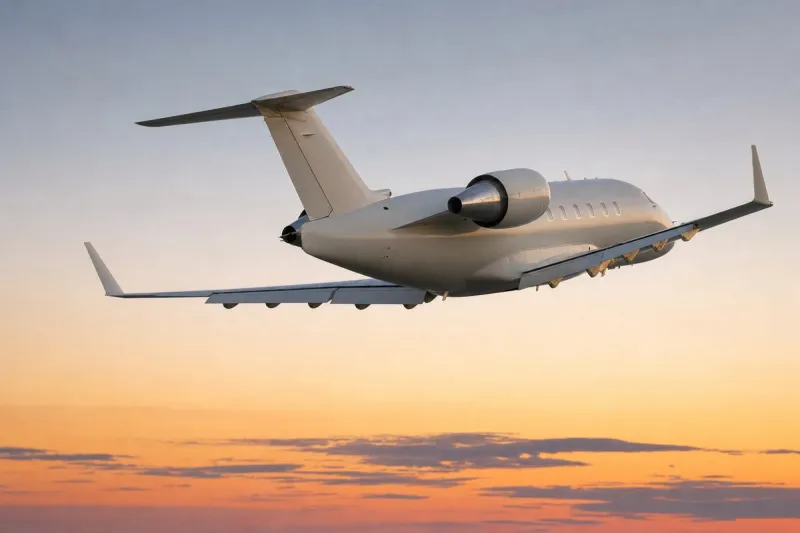
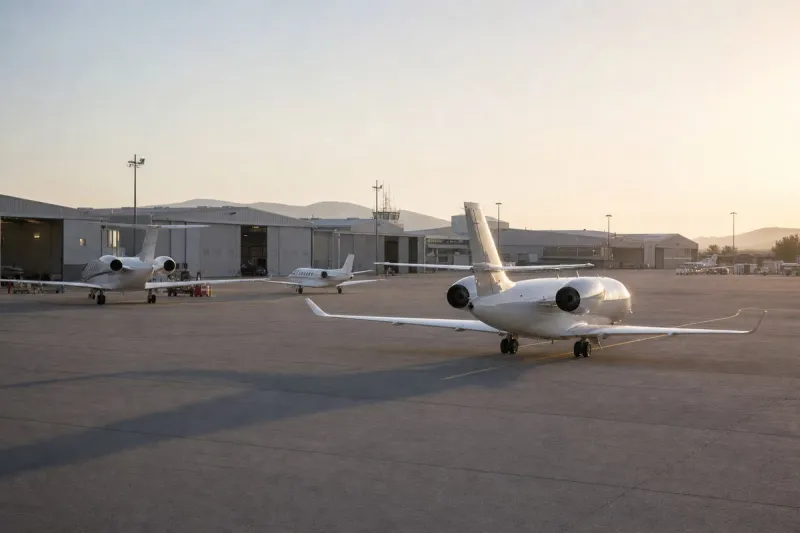
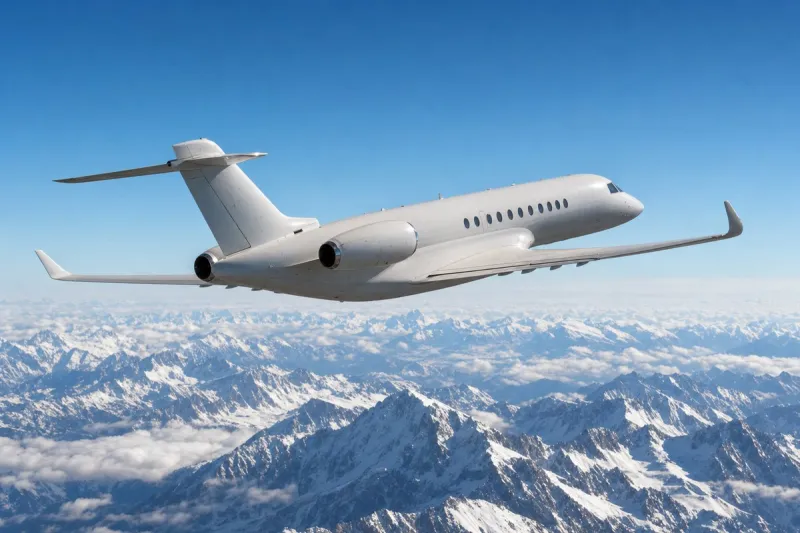
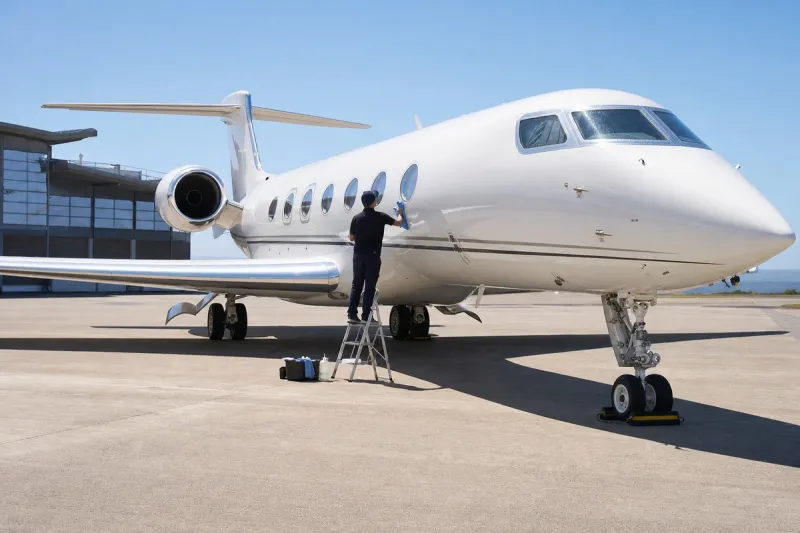
Aliko Dangote, founder of the Dangote Group and Africa's richest man, has said that his early years of wealth were marked by extravagant spending. He said he owned 27 cars and bought a private aircraft before his 23rd birthday, and described these as decisions he now regrets.
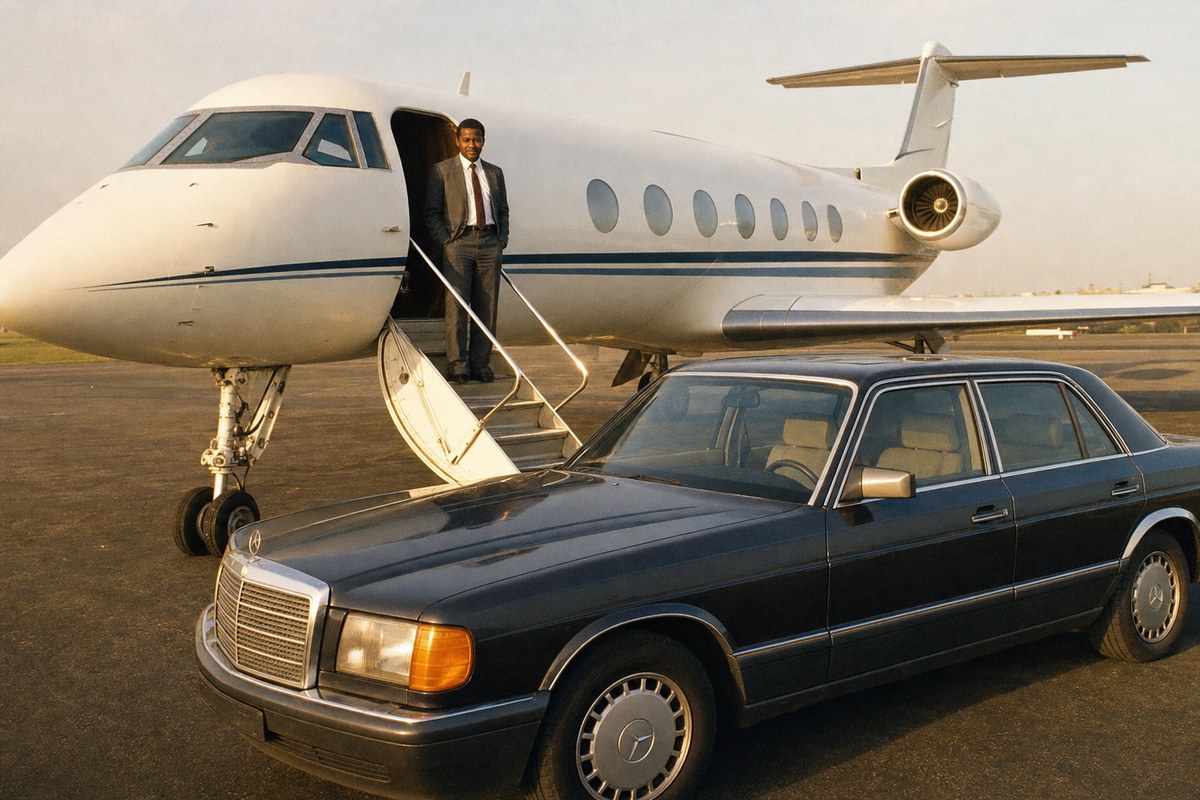
He put his daily earnings in 1978 at approximately 7,000 naira, a considerable sum at the time. That year he bought his first Mercedes-Benz 200 for 5,100 naira; the car had no power steering. He said he bought his first aircraft without consulting any adviser, motivated purely by the desire to own one. While reflecting on those formative experiences with wealth, he recalled a plane crash at London's Luton Airport on 31 March 1983.
Dangote said he now cautions young people whenever he sees them spending heavily on luxury goods soon after they start earning. Drawing on his own past, he said: "Making money should not automatically lead to an expensive lifestyle." He added that excessive spending on enjoyment can pull a person's focus away from the hard work needed to build a lasting business, and urged young entrepreneurs to channel their resources into growing their ventures rather than indulging in luxury at the first sign of success.
Separately, a public share offering in Dangote's Lagos refinery could raise up to $2.1 billion for a stake of roughly 3%. The refinery supplies more than 70% of Nigeria's energy needs, and proceeds are expected to fund a major expansion.
Industry impact & what to watch
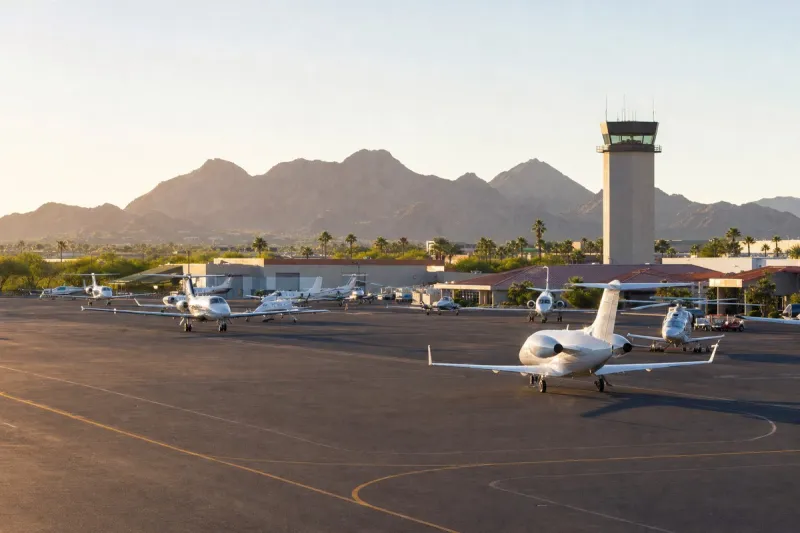
Dangote's account illustrates how a large share of early business-aviation ownership begins: a founder with fast-rising income buys an aircraft because he wants one, with no adviser, no utilisation analysis and no fleet plan behind the decision. That pattern is common in the owner-operator segment, where purchase timing follows the buyer's cash position and personal ambition rather than a mission profile.
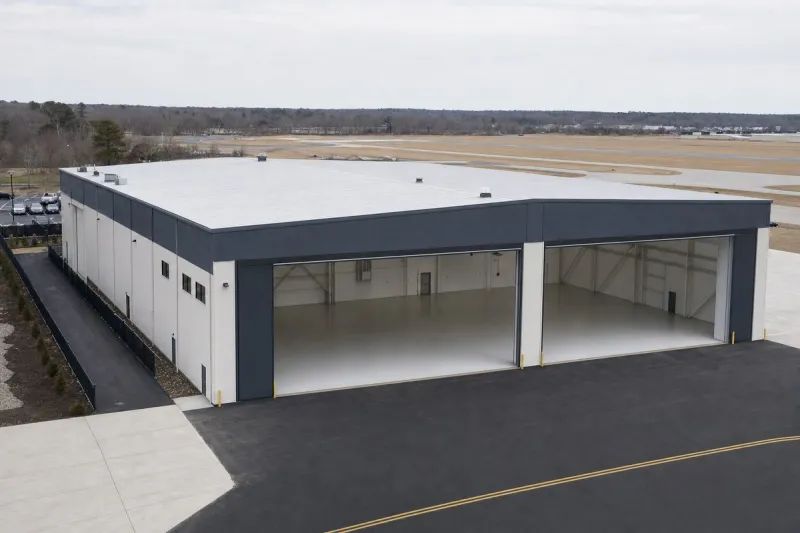
His stated regret also points to the cost side of ownership, which first-time buyers tend to underweight. A purchase made without advice leaves crew, hangarage, maintenance and insurance to be sorted out afterwards, and those running costs are what separate an aircraft that supports a business from one that competes with it for capital. His remarks frame luxury spending as a competitor to reinvestment, which is the same trade-off a prospective owner faces when comparing ownership against charter or fractional access.
The refinery share offering he is linked to is the next dated-to-be-decided item in the same story: how much of the up to $2.1 billion is raised, and how the expansion proceeds are deployed, will show where the group's capital is actually going.