Dominican Republic Airport Department Promotes Executive Aviation at NBAA-BACE 2026 in Las Vegas
Why It MattersState airport authorities are increasingly using the business aviation show floor as a sales channel, treating private-aviation traffic as a distinct investment and tourism segment rather than a by-product of commercial connectivity.
What happened
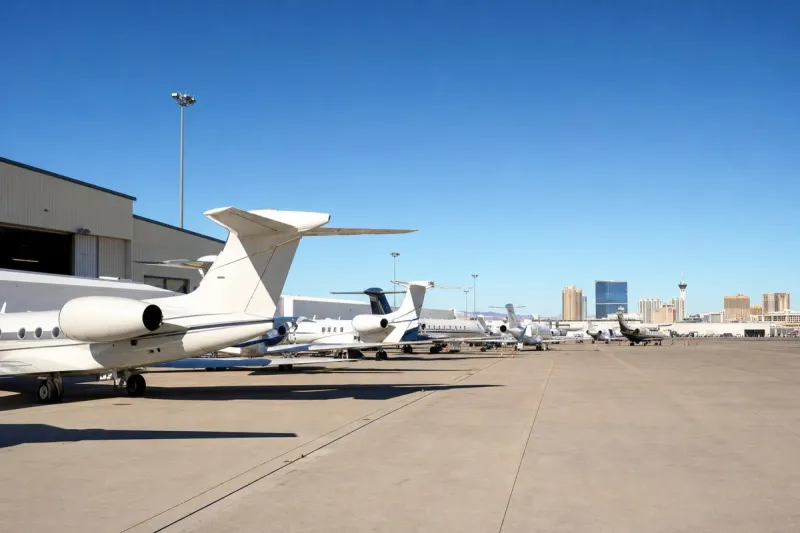
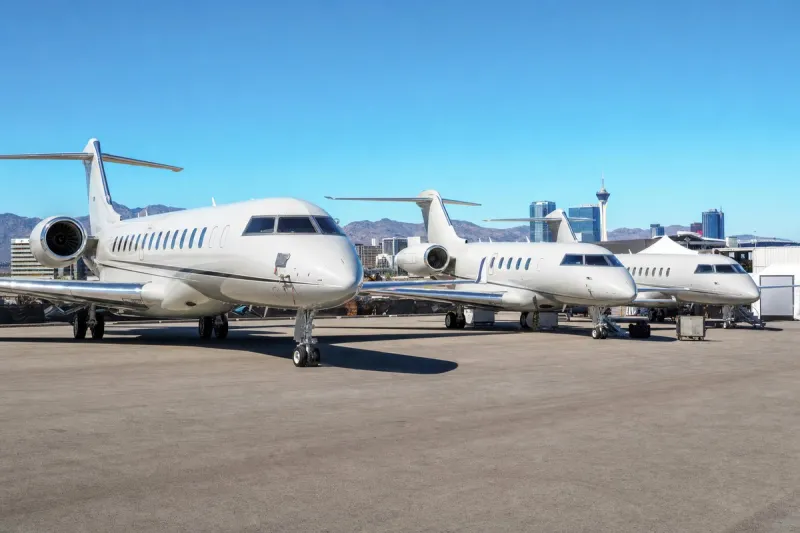
The Dominican Republic's Airport Department (DA) took part in NBAA-BACE 2026 in Las Vegas, Nevada, from October 20 to 22. It used the event to promote the country as a strategic destination for executive and private aviation in the Caribbean.
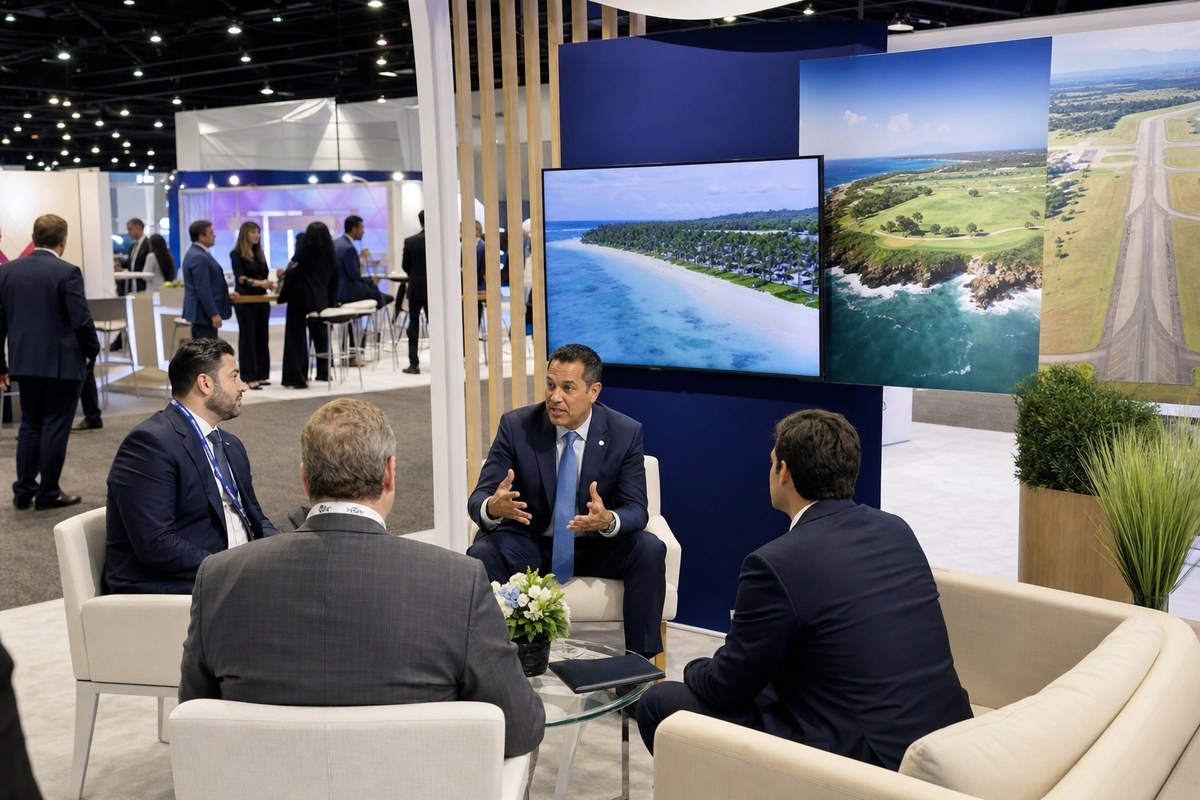
Executive Director Mérido Torres Espinal said the participation aims to attract investment and business opportunities, strengthen international partnerships, and highlight the Dominican Republic's air connectivity and airport infrastructure.
The DA delegation held meetings with industry representatives to explore opportunities for cooperation, investment and business development in the national airport sector. Its exhibition stand presented the country's airport facilities, services and capabilities to operators, investors and other aviation stakeholders.
The 2026 edition of NBAA-BACE, described as a major international business aviation event, brought together more than 700 exhibitors and 17,000 industry professionals. The DA said its participation is part of efforts to strengthen air connectivity, diversify the tourism offering, and support the growth of executive and private aviation in the country.
Industry impact & what to watch
Government-run airport bodies appearing at NBAA-BACE reflect how competition for business aviation traffic now works in leisure-heavy regions. Caribbean destinations compete for the same operators, charter customers and fractional fleets, and a stand at the sector's largest annual gathering puts infrastructure and services in front of the people who decide where aircraft are positioned.
The DA ties the effort to tourism diversification, which is a common logic for private-aviation promotion: premium travelers bring different spending patterns and different airport requirements, such as ramp space, handling quality and customs processing, than scheduled airline passengers do.
The meetings held in Las Vegas were exploratory, framed around cooperation and investment opportunities. The concrete signals to follow are any named agreements with operators or investors, and any announced airport facility projects that come out of those conversations.