Cirrus Breaks Ground on $8 Million Engine Run-Up Center in Duluth
Why It MattersMoving engine run-ups and fuel calibration into a dedicated enclosed facility shows how piston and light-jet makers treat in-house production test capacity as part of their manufacturing capability.
What happened
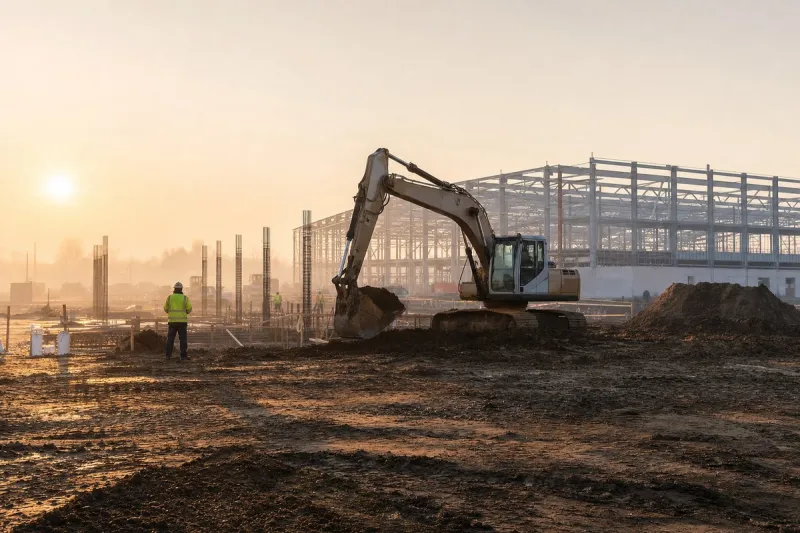
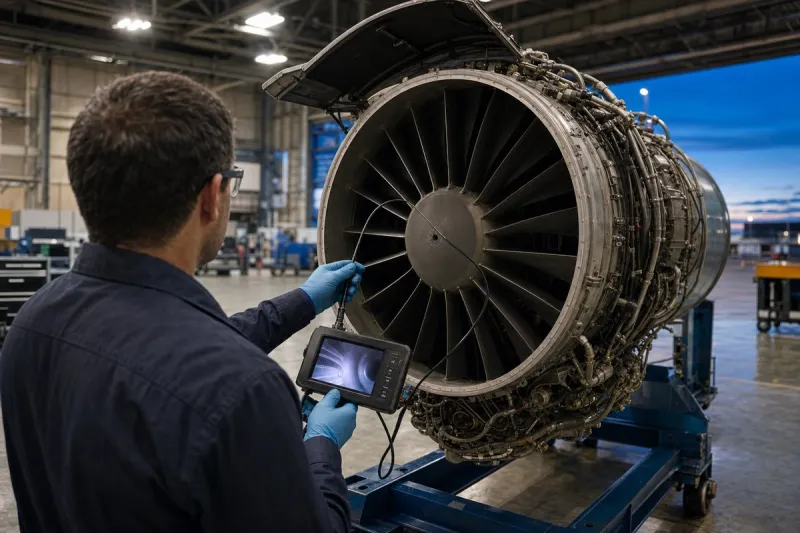
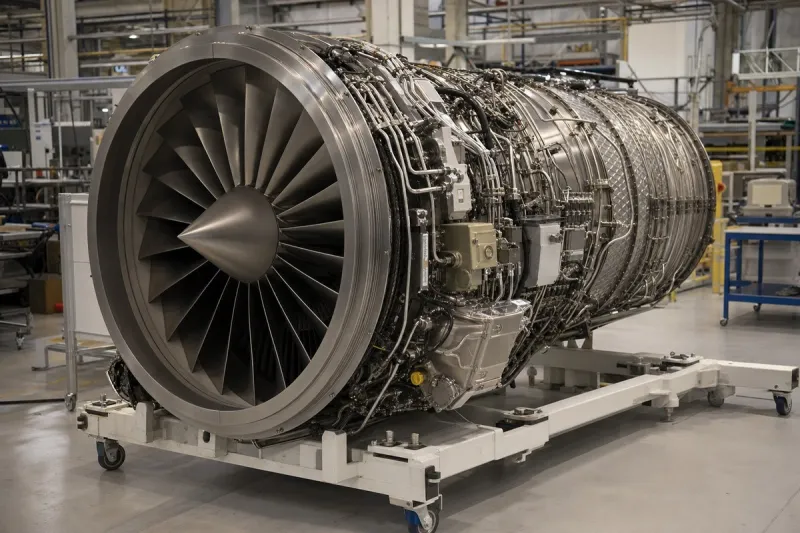
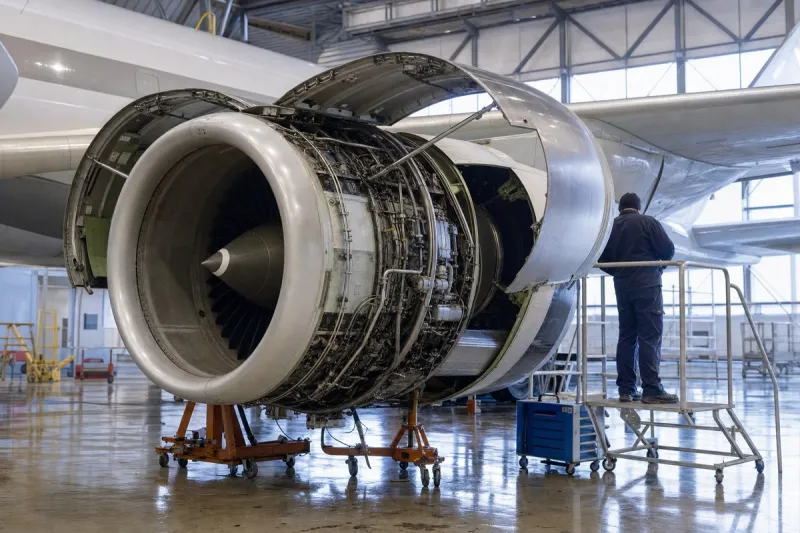
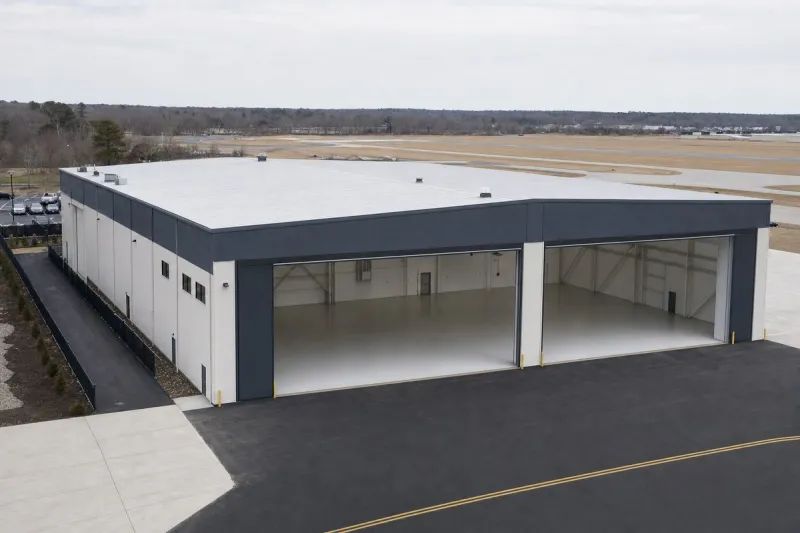
Cirrus has broken ground on a 15,000-square-foot Engine Run-Up Center in Duluth. The building is designed to test engine system functionality, performance and fuel calibration for the SR Series, the Vision Jet and the TRAC10 as part of the aircraft certification process. Cirrus will invest more than $8 million in the facility, which will be a centralized, enclosed, climate-controlled building usable year-round. It is expected to be completed and operational in summer 2027.
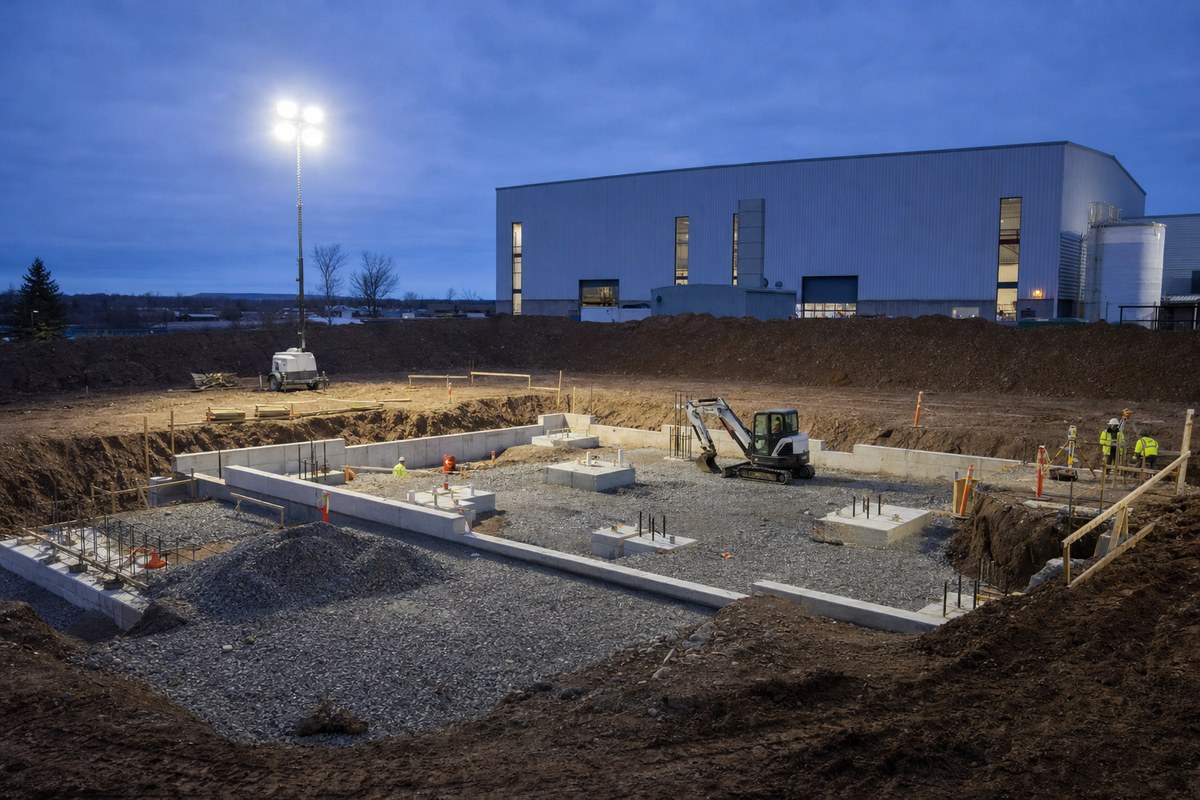
The layout includes two calibration stalls where Cirrus technicians can set up, test and adjust engines during operation, backed by a separate climate-controlled control room for data analysis and remote adjustments. An eight-foot exhaust collector and other air-handling equipment will ventilate the stalls, and sound-control measures are intended to reduce airport noise. Two further stalls are designed for fueling and defueling, where technicians will set and adjust fuel systems in a space built for flammable fluids, with fire protection.
Cirrus CEO Zean Nielsen called the center another significant investment in the company's manufacturing capabilities, saying it will streamline engine run-ups and fuel system calibration, improve efficiency and give team members a dedicated work environment. Patrick Waddick, President of Innovation & Operations, said the facility expands a Cirrus footprint of more than 1.3 million square feet, much of it in Duluth, where the company has produced more than 12,000 SR Series and Vision Jet aircraft.
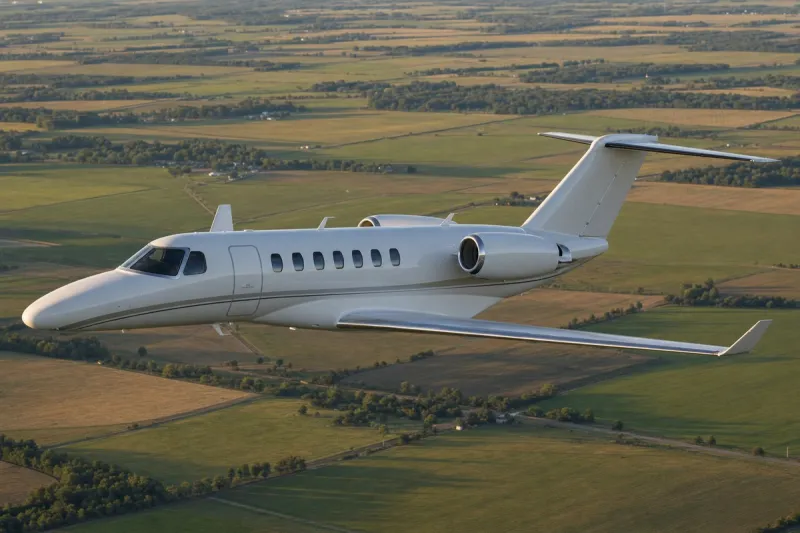
Cirrus describes the SR Series as the world's best-selling high-performance single-engine piston aircraft and the Vision Jet as the world's best-selling jet in General Aviation. The company recently announced the TRAC10, a purpose-built aircraft powered by a FADEC engine for professional flight schools.
Industry impact & what to watch
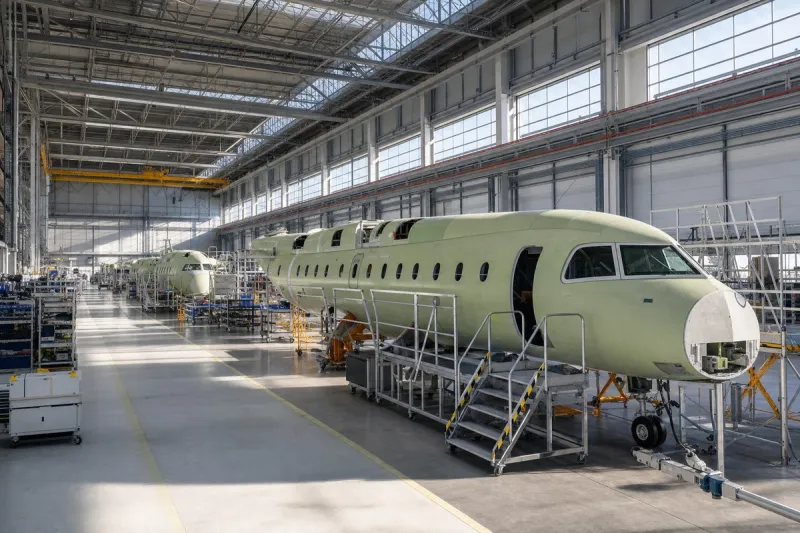
Engine run-ups and fuel system calibration sit late in the production flow, after assembly and before delivery, so the space and conditions available for them can shape how smoothly aircraft move through that stage. An enclosed, climate-controlled building with separate stalls for calibration and for fueling and defueling takes that work out of outdoor or shared settings, and it adds a control room for data analysis. For an OEM building piston singles and a light jet on the same campus, a dedicated facility of this kind is a capacity and consistency investment rather than a product announcement.
The design also reflects constraints that any airport-based manufacturer faces. Noise control and fire protection for flammable fluids are built into the plan, which points to the community and safety conditions under which test work has to be done at a working airfield. The facility is meant to serve three product lines at once, including the newly announced TRAC10 for professional flight schools.
The next milestone is the summer 2027 completion date, when the center is expected to become operational.