US Regional Airports Launch Major Expansion Programs Backed by Federal Infrastructure Funding
Why It MattersFederal grant money is letting mid-sized airports build at hub scale, which shifts where gate capacity and carrier competition develop outside the largest US hubs.
What happened
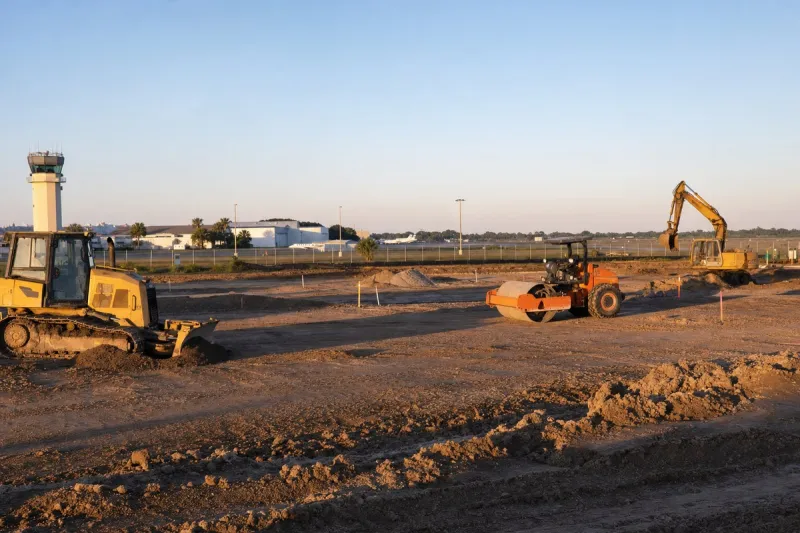
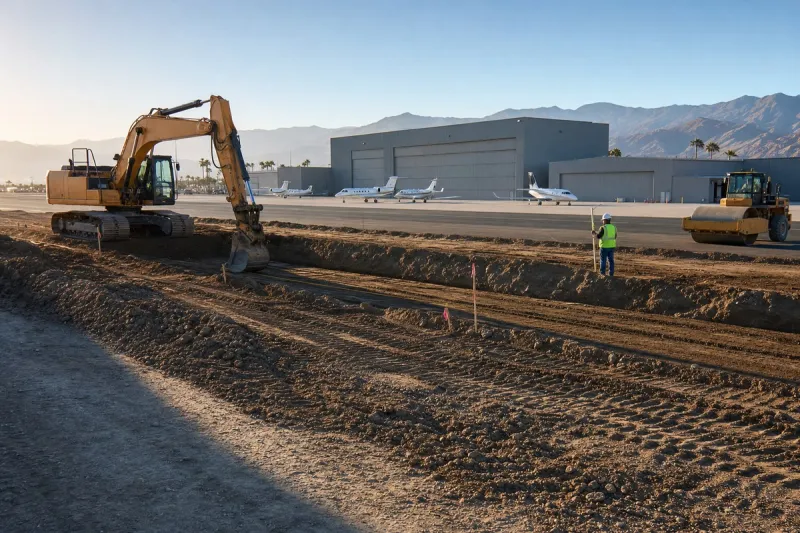
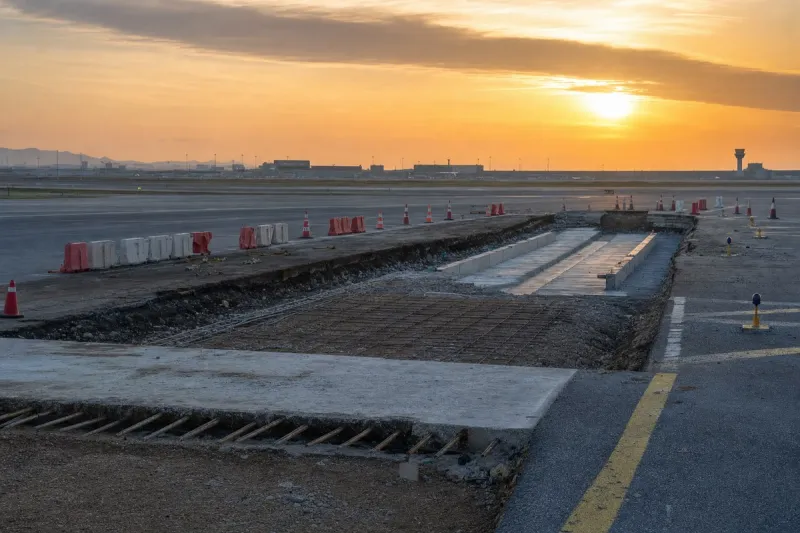
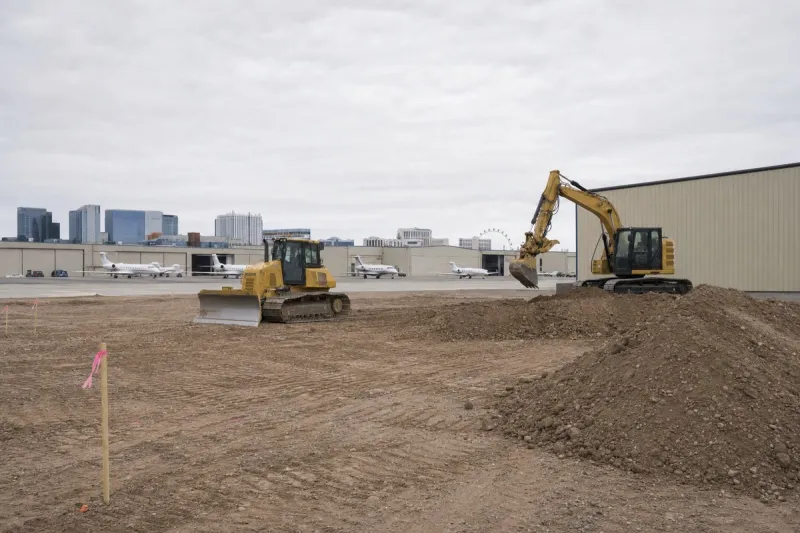
Several US regional and mid-sized airports have started construction programs on a scale usually associated with the country's largest hubs. Much of the momentum comes from the Bipartisan Infrastructure Law, which allocated $25 billion in Airport Infrastructure Grants and Airport Terminal Program funding between fiscal years 2022 and 2026.
That total includes $15 billion for Airport Infrastructure Grants and $5 billion distributed through the competitive Airport Terminal Program. A fifth installment of Airport Infrastructure Grants was announced in 2025, and applications for the final round of roughly $1 billion in Airport Terminal Program funding closed in January 2026.
Wilmington Airport (ILG) is set for a $12 million terminal expansion covering expanded waiting areas, additional seating, improved security screening facilities and enhancements to baggage handling systems. Work will be phased so flights can keep operating, and the airport's busiest route last year was to Orlando International Airport (MCO).
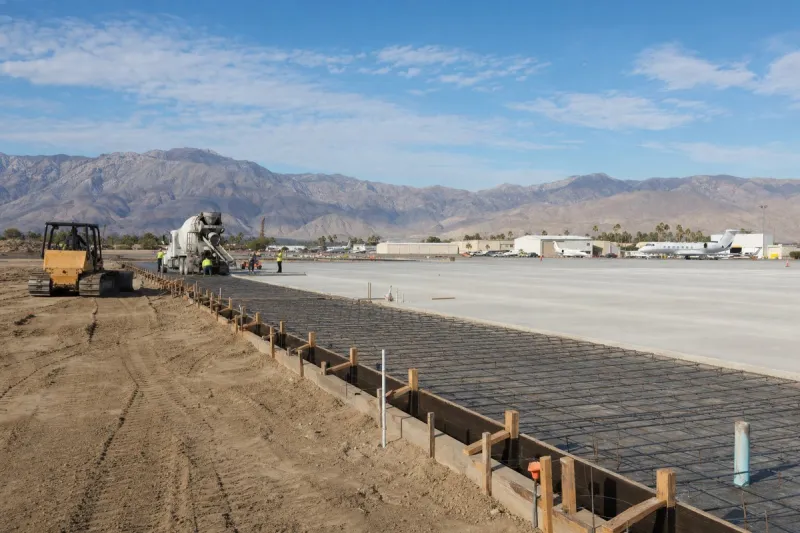
Northwest Arkansas National Airport (XNA) has launched modernization and expansion efforts that include additional passenger facilities, expanded gate capacity, improved aircraft parking areas and upgraded infrastructure. The region's corporate headquarters, manufacturing, healthcare and tourism continue to drive air travel demand. Bureau of Transportation Statistics data show Envoy Air was the largest carrier there last year with a 29.5% market share, followed by SkyWest Airlines (12.7%), American Airlines (12.1%), Endeavor Air (11.3%) and Allegiant Air (10.9%).
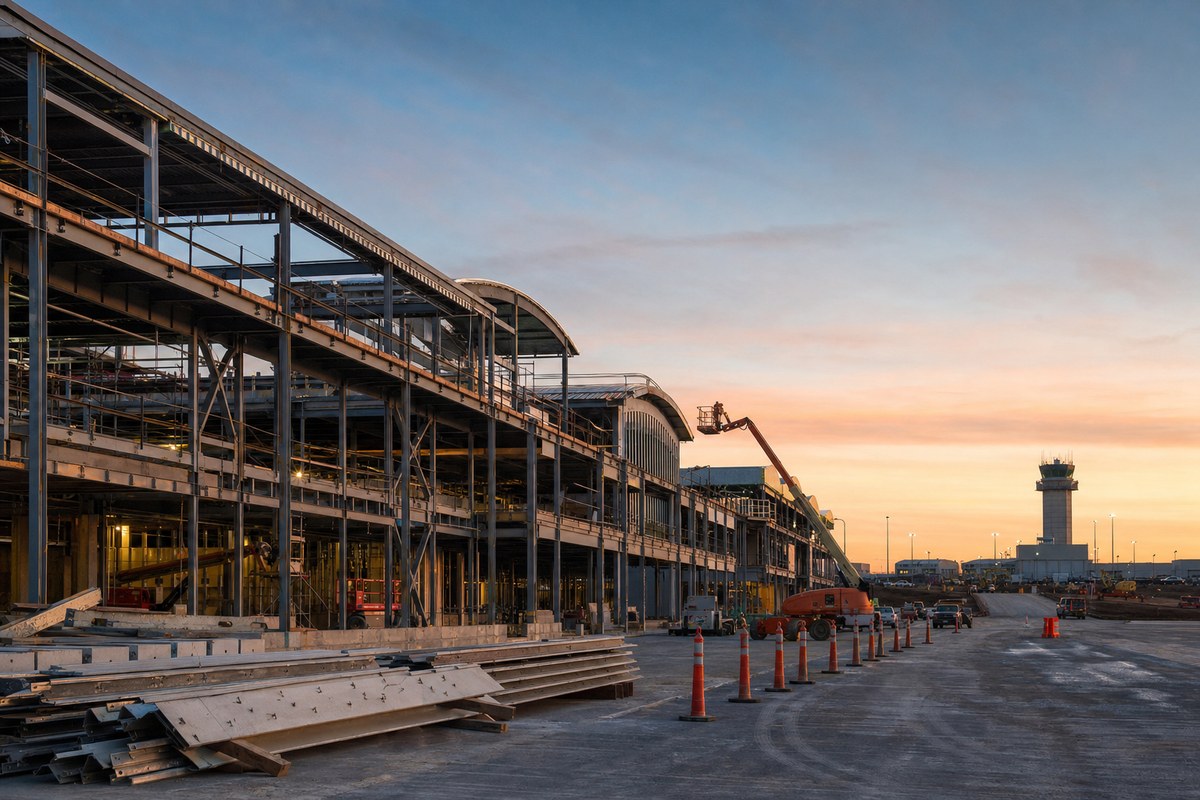
Lexington Blue Grass Airport (LEX) has adopted a ten-phase modernization plan valued at approximately $776.5 million, centered on an expansion toward a 15-gate configuration while daily operations continue. Its busiest route last year was to Hartsfield-Jackson Atlanta International Airport (ATL). John Glenn Columbus International Airport (CMH) is replacing a terminal that opened in 1958 with an entirely new passenger facility valued at approximately $2 billion, expected to feature 36 gates.
Industry impact & what to watch
Projects that once belonged only to the biggest hubs are now being financed at airports like Wilmington, Lexington and Columbus, and the spread of costs is wide: $12 million at one end, roughly $2 billion at the other. Grant programs of this type typically lower the local funding burden enough for an airport authority to commit to multi-year, phased construction, which is exactly the structure Lexington and Wilmington describe.
For business aviation, terminal and gate programs at these airports matter indirectly. Airline capacity and airfield investment at a regional field shape the apron, ramp and infrastructure environment that general aviation and FBO tenants share, and phased construction that keeps commercial flights running can affect ground operations for everyone using the airport.
The dated milestone still pending is the final Airport Terminal Program round of roughly $1 billion, whose applications closed in January 2026. Which airports receive those awards will show whether the current pattern of mid-sized-airport expansion continues into the next funding cycle.