Paris Hilton's Gulfstream IV N11PH Flies 394 nm from Van Nuys to Oakland in 1 Hour 9 Minutes
Why It MattersShort regional hops by large-cabin jets use only a fraction of their range yet still produce meaningful fuel burn and CO2, which keeps per-flight emissions visible in public flight-tracking data.
What happened
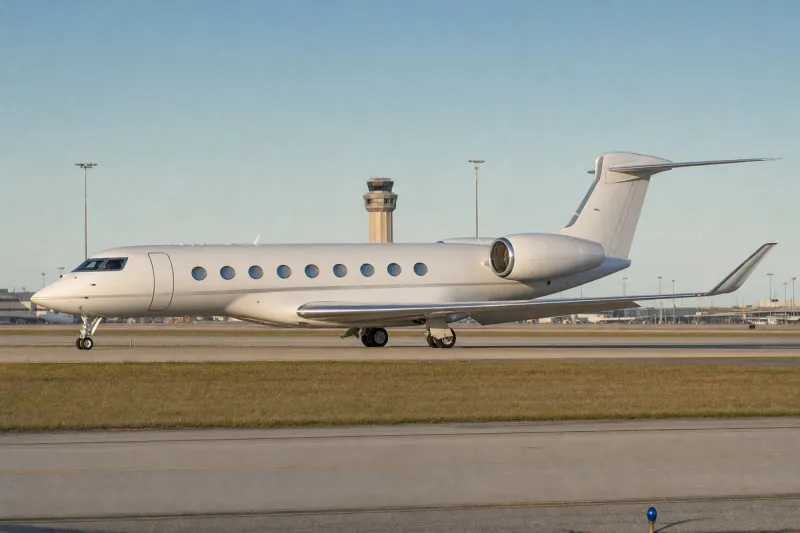
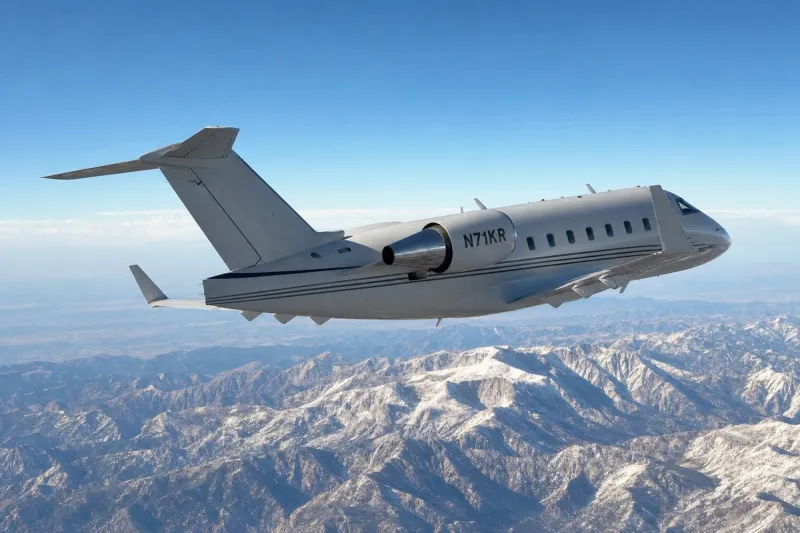
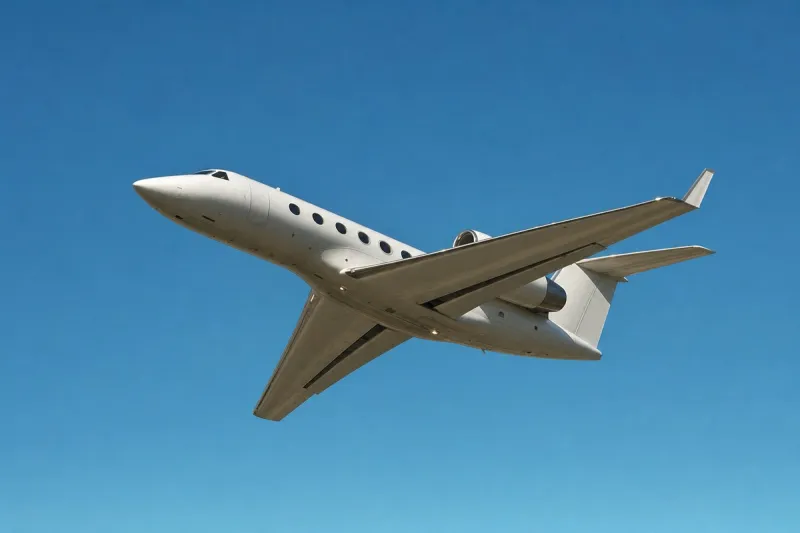
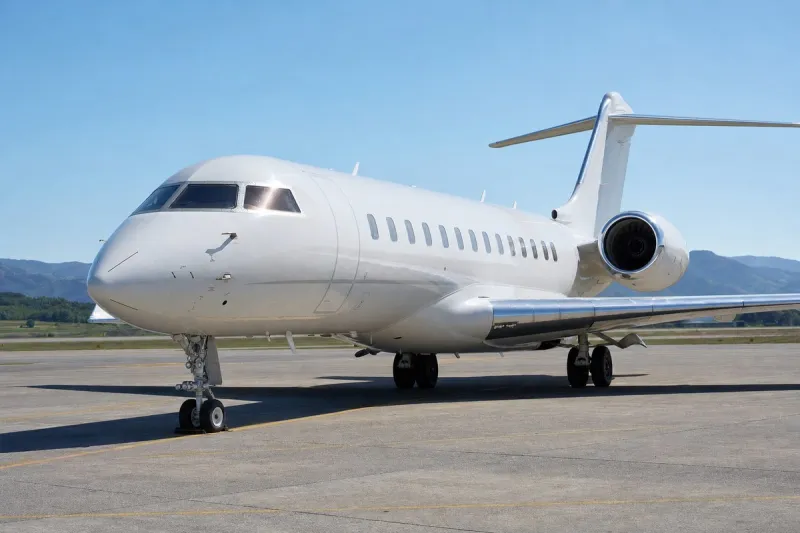
Paris Hilton's Gulfstream IV, registered N11PH, flew from Van Nuys to Oakland on October 25, 2026. The great-circle distance was 394 nautical miles (454 miles), flown in 1 hour and 9 minutes. The aircraft departed Van Nuys at 20:10 UTC and landed at Oakland at 21:19 UTC.

It averaged 344 knots ground speed, reached a top ground speed of 456 knots and a highest altitude of 34,000 feet. Estimated fuel burn was 436 US gallons, producing about 4,186 kilograms of CO2.
The Gulfstream IV has a range of 3,800 nautical miles, a top speed of Mach 0.88, a service ceiling of 45,000 feet and typically seats 12 to 16 passengers. It uses a re-engineered GIII wing, and 862 units of all variants were produced. The flight used about 10 percent of the aircraft's range.
Recent movements and airport context
This was the second tracked landing at Oakland in three days; the previous one was on October 22, 2026. The aircraft's home base is Van Nuys Airport. Steve Ballmer's Gulfstream G650 landed at Oakland about six hours earlier.
In the 30 days before this flight, the aircraft visited eight airports in two countries and flew about 16,287 nautical miles. It completed nine flights totaling 39.1 hours in the air, with estimated CO2 emissions of 142,588 kilograms. The longest leg in that period was a 2,826-nautical-mile trip from Paris to Bangor on October 5, 2026.
Van Nuys Airport's longest runway is 8,001 feet at an elevation of 802 feet; Oakland's longest runway is 10,520 feet at an elevation of 9 feet. No specific public appearance by Hilton in Oakland was reported for that date.
Industry impact & what to watch
A 394-nautical-mile leg flown by an aircraft with a 3,800-nautical-mile range illustrates how large-cabin jets are often used well below their capability. The 1-hour-9-minute block time and a 456-knot peak ground speed show why such aircraft remain attractive for short, time-sensitive regional trips, even though a 436-gallon fuel burn and roughly 4,186 kilograms of CO2 are attached to a single short hop.
The 30-day figures, with nine flights, 39.1 hours airborne and about 142,588 kilograms of CO2, show how quickly emissions accumulate for a single high-utilisation aircraft. Because tracking sites publish this data per flight, private-jet emissions are increasingly judged flight by flight in public, and that scrutiny sits alongside the segment's usual selling points of schedule flexibility and access to secondary airports.