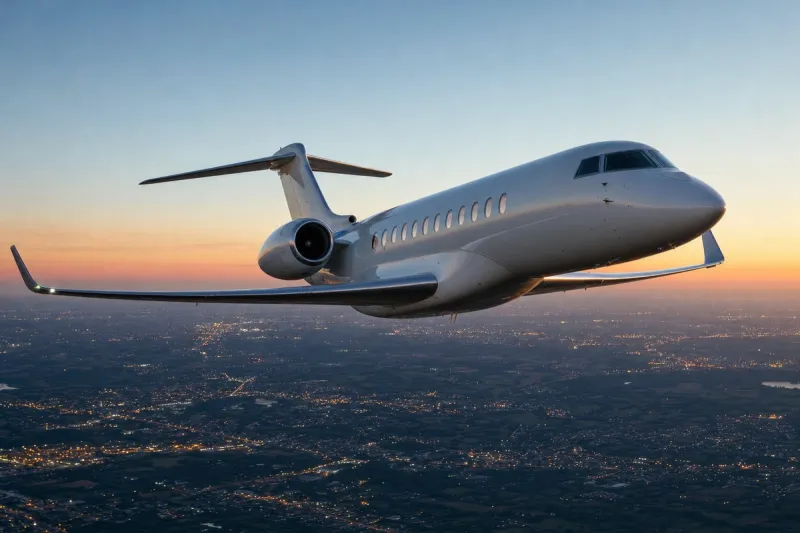
Boeing 737-900 Sold Just 52 Units as Exit Limits, Range and Airbus A321 Held Back Demand; 737-900ER Reached 505
Why It MattersThe 737-900's thin sales show that stretching a fuselage buys little when certification limits and range stay fixed, and that a rival's capacity-and-range advantage can outweigh fleet commonality.
What happened
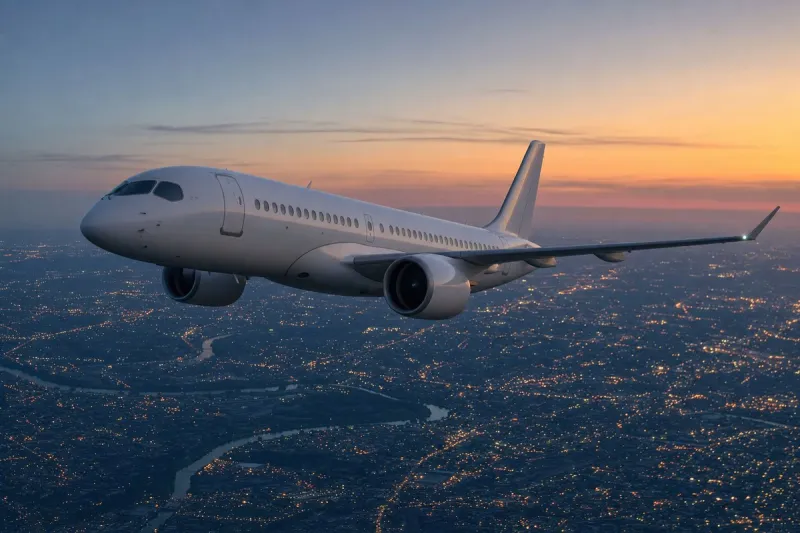
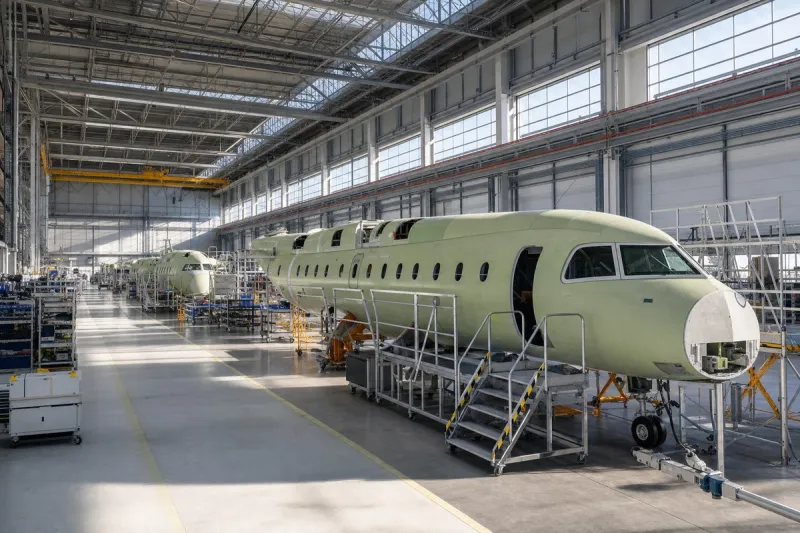
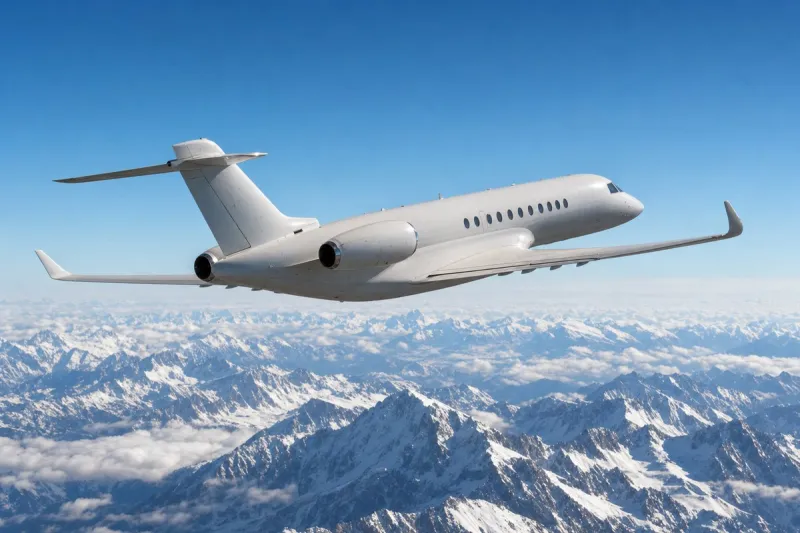
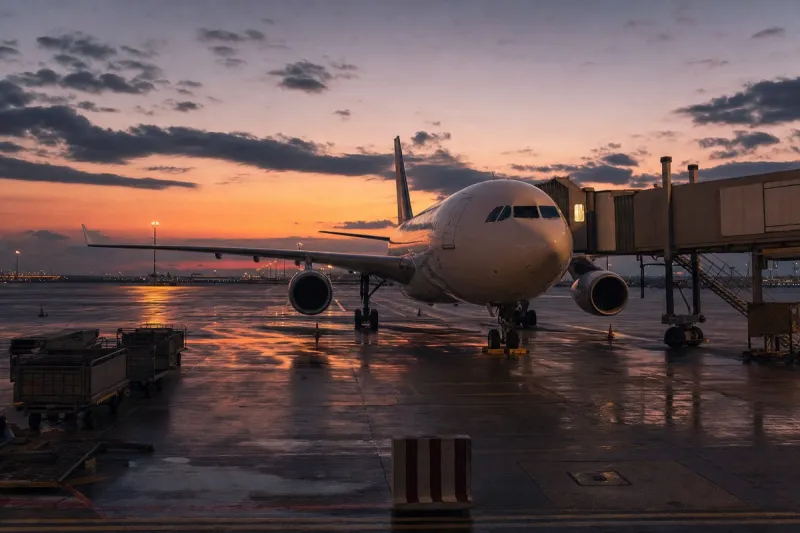
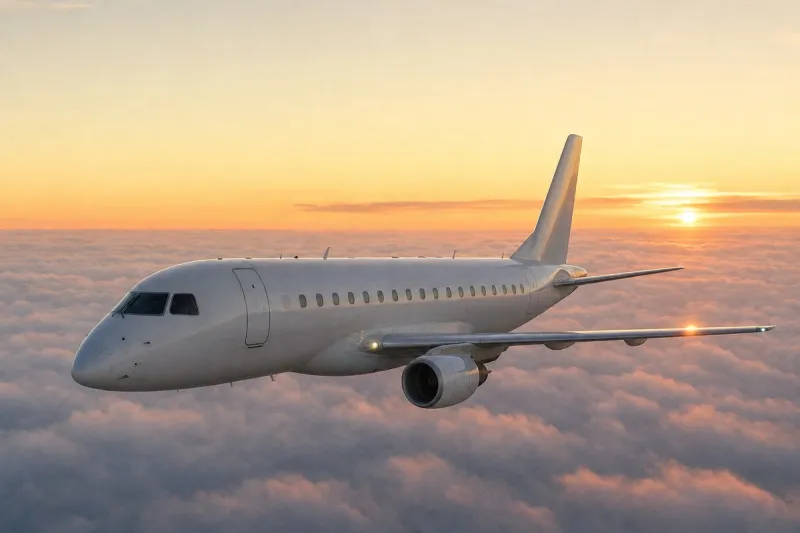
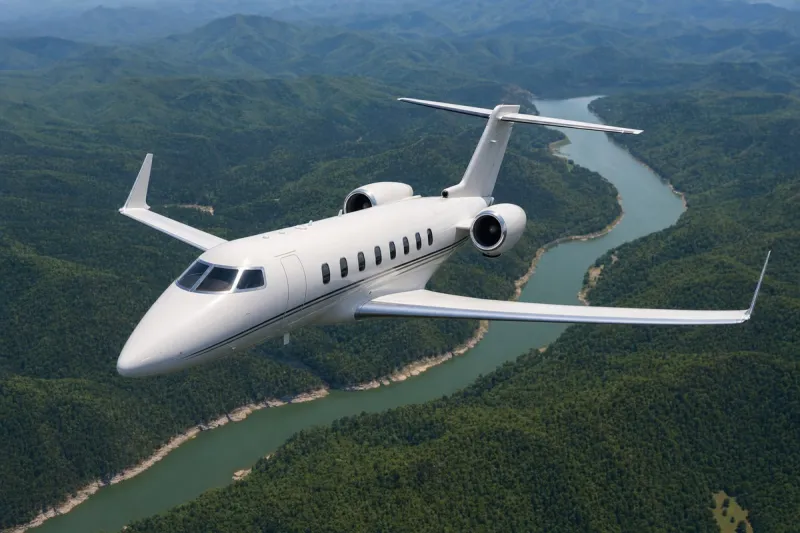
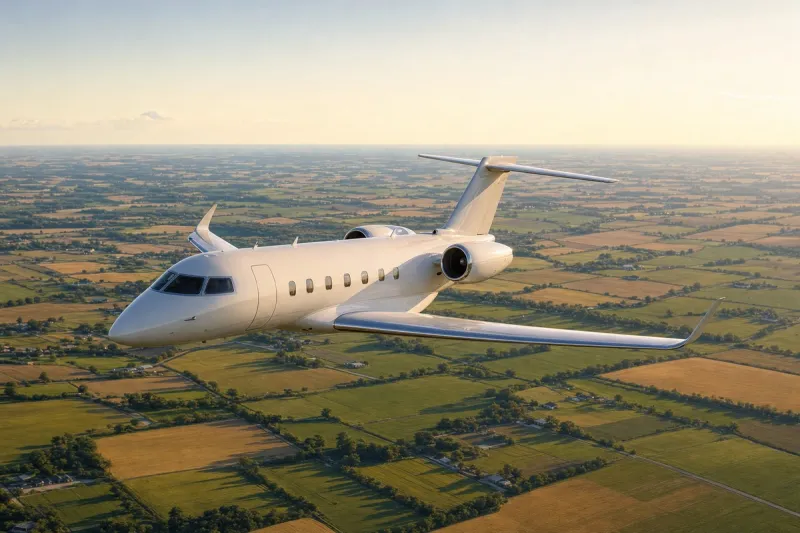
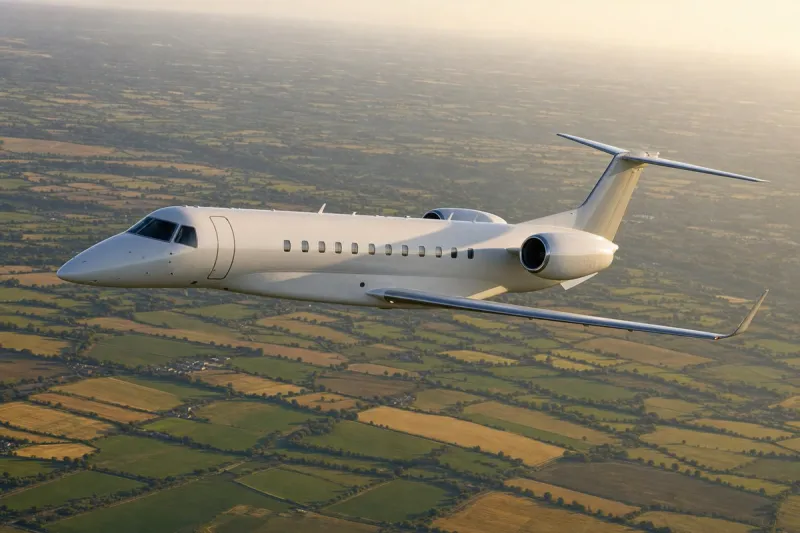
Boeing authorized the 737-900 for production on September 10, 1997, after Alaska Airlines committed to launch it. The aircraft entered service with Alaska in May 2001 and was then the longest member of the Next Generation family, at 138 feet, 2 inches (42.1 meters). Only 52 original 737-900s were built, compared with 505 examples of the improved 737-900ER.
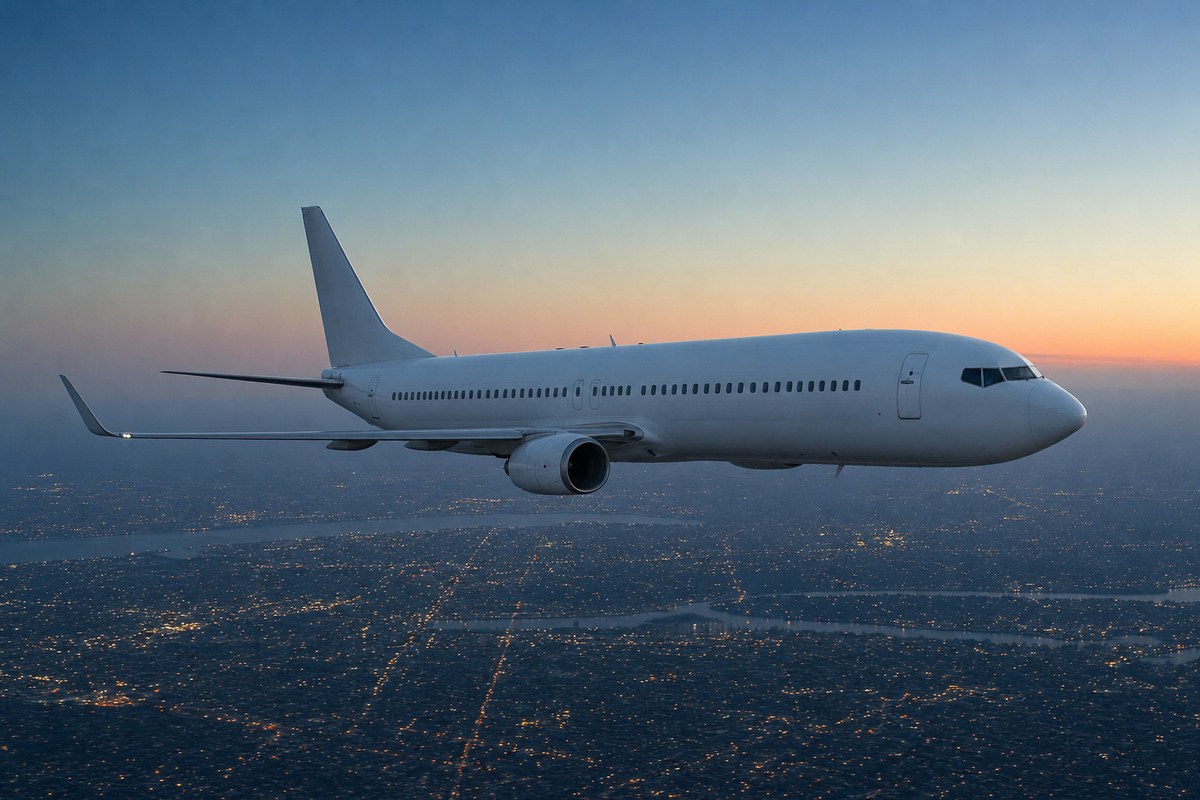
Boeing kept the same main-door and overwing exit arrangement as the 737-800. Under its approved evacuation configuration, that limited the 737-900 to a maximum of 189 passengers, the same ceiling a low-cost carrier could already reach with a 737-800. Boeing's launch announcement had described a typical two-class layout of up to 177 passengers.
Fuel capacity stayed at 6,875 US gallons (26,022 liters). Maximum takeoff weight rose from 174,200 lb to 187,700 lb, while listed range fell from 2,800 nautical miles for the 737-800 to 2,700 nautical miles for the 737-900. In some cases the result was the same passenger count as a 737-800 with a range penalty.
The 52 aircraft went to a small group of airlines, including Alaska Airlines, KLM, Korean Air, Shenzhen Airlines, Jet Airways and Continental Airlines, whose fleet later became part of United Airlines. Alaska used the type on routes linking Seattle with Anchorage, Phoenix, Las Vegas, Los Angeles and San Diego, in a lower-density two-class cabin.
Boeing's response was the 737-900ER, which first flew in September 2006 and entered service with Lion Air in 2007. It added a pair of exit doors behind the wings and a redesigned rear pressure bulkhead, allowing approval for up to 220 passengers depending on configuration. It also gained winglets, a higher maximum takeoff weight and the option of up to two auxiliary fuel tanks in the cargo hold, improving range.
Why the original fell short
The shortfall came from several factors acting together, not from one technical failure. The unchanged exits meant the longer fuselage added no seats at the maximum density, and the unchanged fuel tanks meant added weight came at the expense of range.
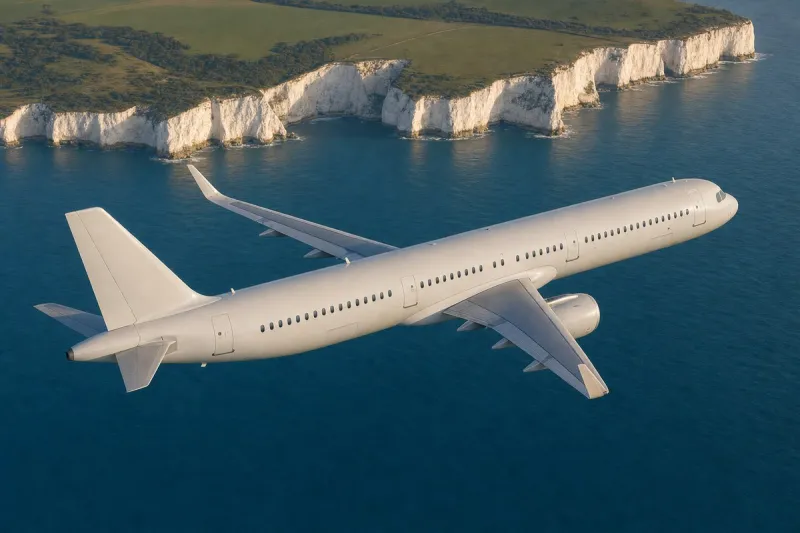
The Airbus A321, a stretched A320-family aircraft, could carry more passengers in typical configurations and offered a stronger range and payload proposition. It sold in the thousands, far above the 737-900's 52 deliveries, although those totals cover different periods and do not isolate every commercial factor. Commonality with existing 737 fleets was an advantage for Boeing, but it could not offset the capacity and range gaps.
Industry impact & what to watch
The 737-900's record is a clear example of how a derivative's economics depend on certification limits as much as on airframe length. When exit arrangements cap seating, extra fuselage volume mostly adds weight and cost, and a type that matches its smaller sibling on seats while giving up range has little to offer a buyer beyond a niche mission.
Fleet commonality is a real asset for an operator with existing 737 crews, spares and training, but this case shows it does not override a competitor's better capacity and payload-range proposition. Airlines that were already inclined toward the A321 had no strong reason to stay with the original 737-900.
The 737-900ER shows what moved the numbers: extra exits and a revised bulkhead lifted the passenger ceiling to 220, and auxiliary tanks restored range. Production reached 505 aircraft once those two constraints were addressed together.