AOPA Report Says US Private Aircraft Operations Rose 10% a Year Over Five Years, With 12% Annual Growth Forecast Through 2025
Why It MattersJet-sharing and membership programs are widening private flying beyond wealthy owners, so access models, not aircraft ownership, increasingly set how demand scales and where charter, fractional and membership operators compete.
What happened
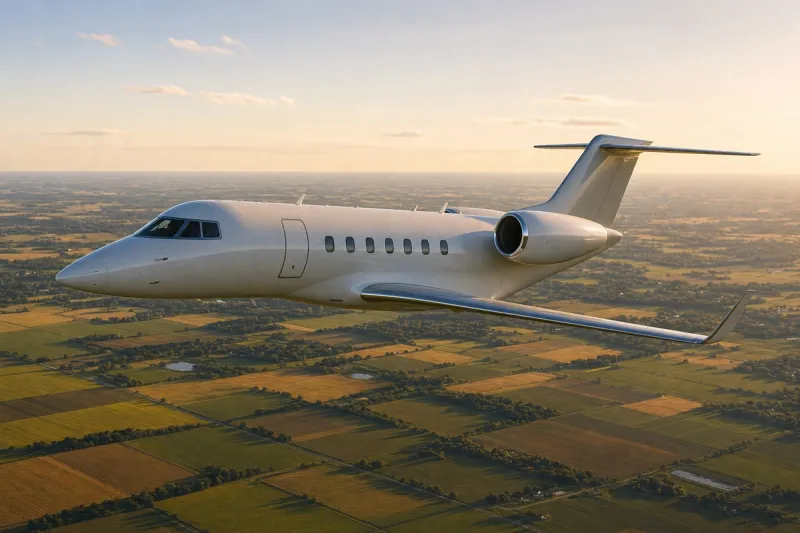
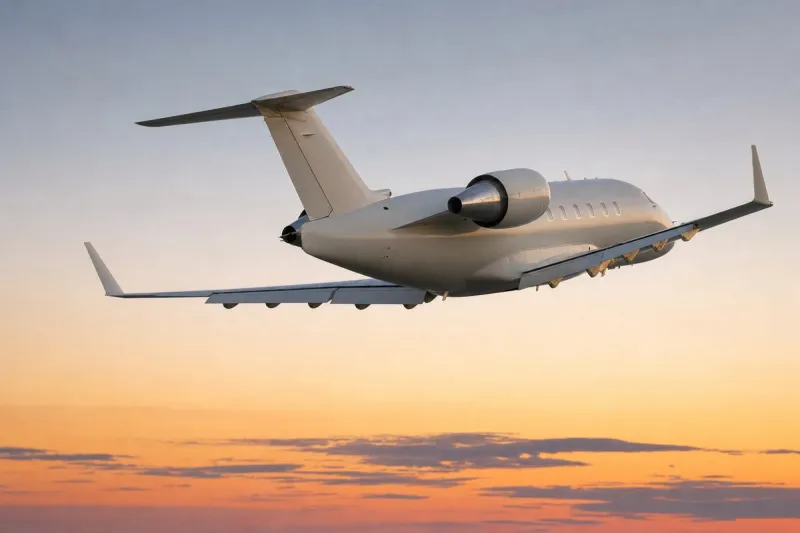
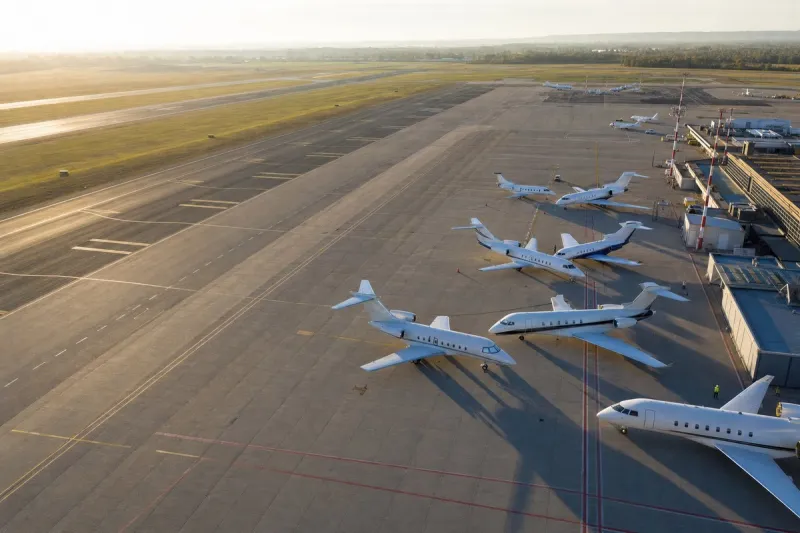
The Aircraft Owners and Pilots Association (AOPA) reports that the number of private aircraft operations in the United States has increased by 10% annually over the past five years.
AOPA predicts the trend will continue, with a growth rate of 12% annually through 2025. The article attributes the surge to growing demand for personalized and flexible air travel.
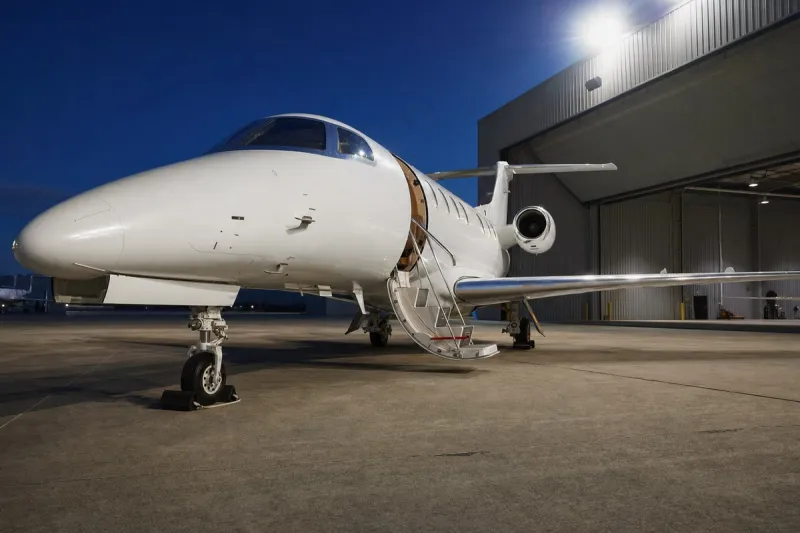
It says the lines between commercial and private aviation are becoming increasingly blurred. Jet-sharing and membership programs are making private flying a viable option for entrepreneurs, professionals and other travelers, not only the wealthy.
Industry impact & what to watch
A sustained double-digit growth rate points to demand broadening beyond traditional owners. Jet-sharing and membership programs lower the commitment needed to fly privately, which shifts a growing share of activity toward operators that sell access by the trip or by the membership rather than by the aircraft.
That blurring of commercial and private aviation changes where competition sits. Operators of fractional, jet-card, membership and on-demand charter products draw on the same pool of newer private flyers, so differences in flexibility and personalization become the main basis for winning them.
The forecast is the milestone to check against: AOPA projects 12% annual growth through 2025, a faster pace than the 10% recorded over the past five years, and the next operations counts will show whether that acceleration is materializing.