Cessna 172 Ownership in 2026: Estimates Put Annual Cost at $20,000-$35,000 for 100 Flight Hours
Why It MattersBecause fixed costs dominate a 172's budget, utilization largely decides whether ownership is economical, which keeps renting and flying clubs a rational alternative for pilots who fly little.
What happened
Most 2026 estimates put annual ownership of a Cessna 172 flown about 100 hours a year at roughly $20,000 to $35,000 before loan payments, according to Rotate's 2026 aircraft ownership guide. That equals $200 to $350 per flight hour. Jaken Aviation's 2026 breakdown puts a flyable 1970s-era 172 at about $90,000 to $140,000, with a newer, cleaner example reaching roughly $180,000. BlackJet describes the 2025-2026 used 172 market as tight.
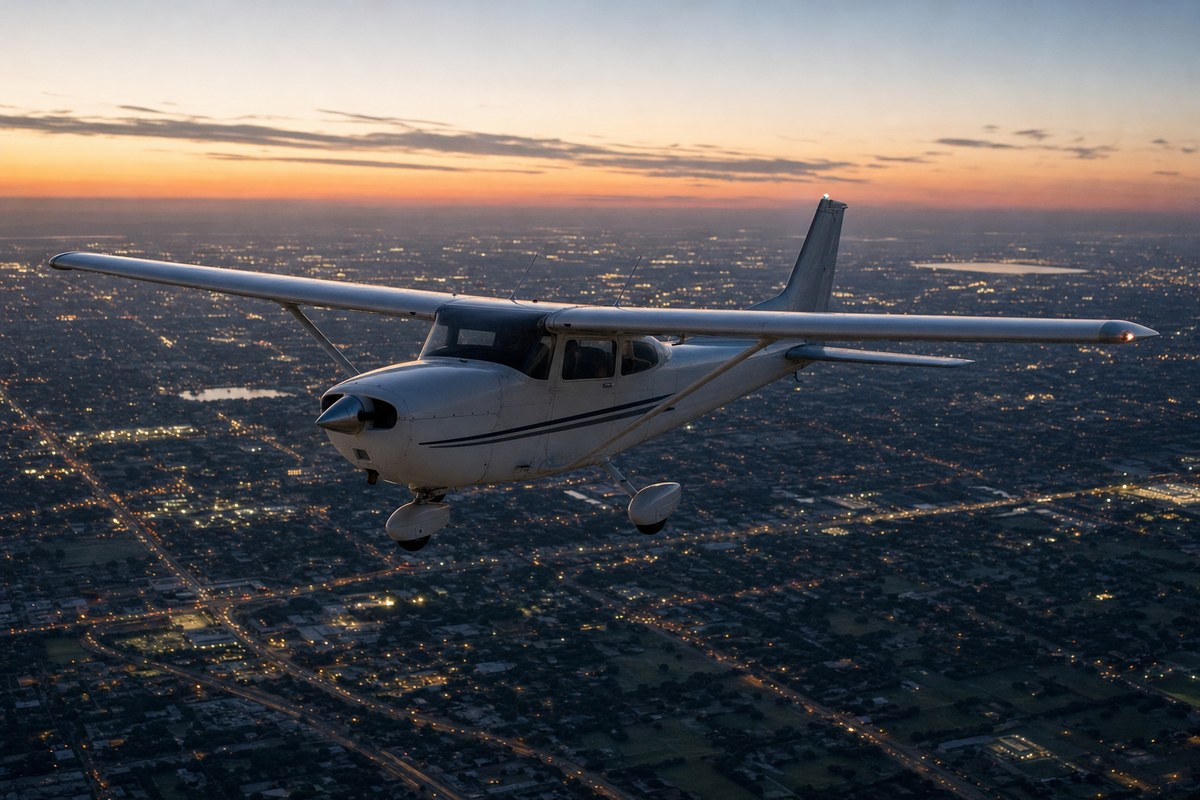
An example budget in the source article totals $21,875 a year, or about $219 per flight hour at 100 hours. The line items are: hangar $6,000 ($500 a month), insurance $2,000, annual inspection with typical repairs $3,500, fuel $6,375 (8.5 gallons/32 liters per hour at $7.50 per gallon), oil and routine maintenance $1,500, an engine overhaul reserve $1,700, and subscriptions and supplies $800. Fixed costs account for $12,300 of that total, while variable items add about $96 per flight hour. At 50 hours the same budget rises to about $342 per hour; at 200 hours it falls to around $157.
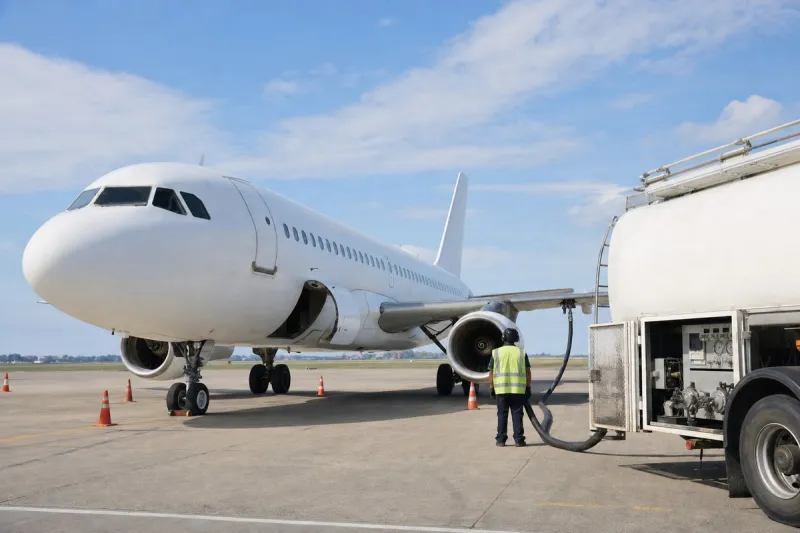
Other cited figures: hangar rent can run from about $300 a month at a small rural airport to more than $1,200 near a major city, and insurance commonly falls around $1,500 to $2,500 a year. A 172 burns roughly 8 to 9 gallons (30 to 34 liters) an hour, which at assumed 2026 Avgas prices of $6.50 to $8.50 per gallon means about $5,200 to $7,700 in fuel per 100 hours. E3 Aviation Association estimates $1,500 to $2,200 for an annual inspection itself, a typical total with repairs of $2,500 to $4,500, and $8,000 to $12,000 on a neglected airplane.
AOPA recommends setting aside money for engine, propeller, avionics and airframe overhauls and, in Flying Magazine, estimates $15,000 to $35,000 a year for a single-engine piston aircraft flown 100 hours, excluding loan payments. Simple Flying's guide lists 2,000 flying hours as the maximum recommended interval between engine overhauls.
How the 172 compares with other piston aircraft
Jettly reports older two-seat Cessna 150s and 152s selling for about $25,000 to $45,000, and a four-seat Piper PA-28 Cherokee for roughly $30,000 to $60,000. The 150/152 burn about 6 gallons (23 liters) an hour.
Simple Flying's comparison puts a new Cirrus SR22 at about $937,900 and the used SR22 family average at roughly $574,105, with operating costs typically about twice those of a 172.
Industry impact & what to watch
The budget structure shows why hours flown matter so much in light piston ownership. With $12,300 of the $21,875 example budget fixed, each additional hour spreads hangar, insurance and inspection costs thinner, which is why the same airplane works out to about $342 per hour at 50 hours and around $157 at 200. For a pilot flying only a few dozen hours a year, that arithmetic is the main reason the guide points to renting or a flying club as the comparison to run before buying.
The spread between the $20,000 and $35,000 ends of the estimate also reflects inputs that vary by owner: hangar rent ranges from about $300 to over $1,200 a month, and an annual inspection can total $2,500 to $4,500 or $8,000 to $12,000 on a neglected airplane. Condition at purchase therefore moves running costs as much as the purchase price does, which is the logic behind the advice to arrange a pre-purchase inspection.
The tight used-172 market described by BlackJet, alongside the $90,000 to $180,000 price range, keeps older 150/152 and Cherokee airframes at $25,000 to $60,000 in view as cheaper entry points. The next real test of any of these figures is an individual owner's own hangar quote, insurance premium and inspection history, which the published ranges can only bracket.