Vista's Malaysia Flight Traffic Rises 18% in H1 2026, Outpacing Asia Pacific's 14%
Why It MattersSoutheast Asian business aviation is growing faster than the global average, driven by younger flyers and shorter booking windows, while fuel prices barely dent demand and ecosystem maturity becomes the main constraint.
What happened
Vista's flight traffic in Malaysia rose 18 per cent year-on-year in the first half of 2026, compared with 14 per cent growth across Asia Pacific. Chief business officer Youssef Mouallem attributed the growth to industrial activity in Malaysia and to business travellers wanting greater flexibility and shorter travel times. He said Malaysia is growing ahead of the region and expects the trend to continue, and possibly accelerate, in the second half of the year.
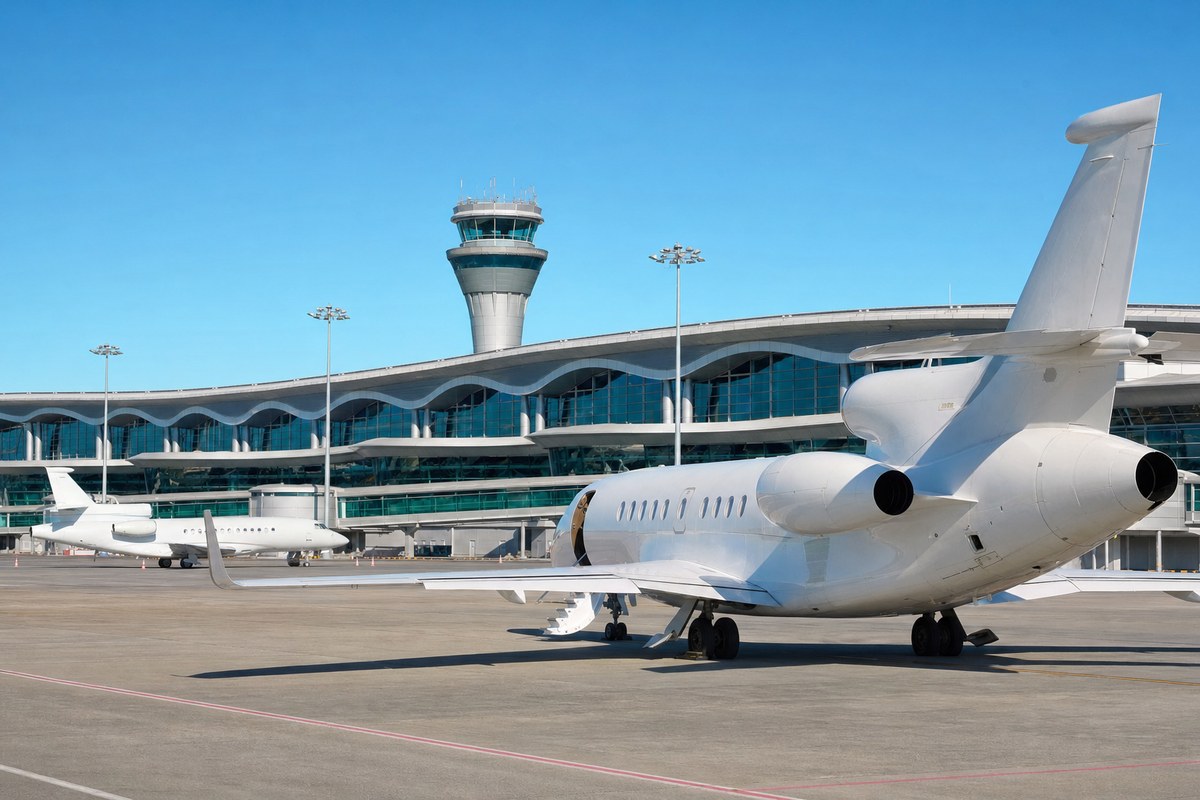
Vista is a global business aviation group that operates VistaJet, which provides private jet services through its fleet and membership programmes, and XO, which offers on-demand access to about 2,000 vetted aircraft worldwide. Malaysia is VistaJet's first market in Southeast Asia, which it entered in 2008 before expanding across the region. Mouallem said Southeast Asia's growth rates are higher than Vista's global average.
Elsewhere in Southeast Asia in the first half of 2026, Singapore's flight traffic rose 58 per cent year-on-year, with flight hours up 51 per cent. Indonesia recorded 27 per cent growth, while Vietnam and the Philippines posted increases of 64 per cent and 62 per cent respectively.
Mouallem said younger customers are entering private aviation, particularly in Asia: about 47 per cent of Vista's new flyers in 2025 were under 45. Average booking lead time has fallen from about 14 days to nine days. Higher jet fuel prices have not had a significant impact on flying demand, he said.
Fleet and aircraft demand
In Southeast Asia, the Bombardier Challenger 600 remains in demand for regional flying, while longer-haul demand includes the Bombardier Global 6000 and Global 7500.
Vista is upgrading its Global 7500 fleet to the Global 8000. Eleven of its 18 aircraft have been completed, and the remaining seven are due before the end of the year.
Industry impact & what to watch
Vista's regional figures show Southeast Asian business aviation expanding from a smaller base at rates well above the Asia Pacific average, with Vietnam, the Philippines and Singapore all posting growth between 58 and 64 per cent in traffic. Growth from a low base is typical of markets where private aviation penetration is still early, so absolute volumes matter as much as the percentage rates when sizing the opportunity.
The demand profile is also changing. Younger flyers and a booking lead time that has shortened from about 14 days to nine mean operators need aircraft and crews positioned for shorter-notice requests, and fuel price increases have so far not suppressed that demand.
Mouallem's own framing places the constraint on the supply side: further growth depends on service levels, safety, governance and digitalisation across flight planning, FBOs, onboard servicing and catering, and he said grey-market or parallel brokering does not help the industry develop. The second-half Malaysian figures, which he expects to hold or accelerate, and the completion of the remaining seven Global 8000 upgrades by year-end are the next concrete markers.