Honeywell Projects 9,950 Business Jet Deliveries Through 2035 as Fleet Grows 29%
Why It MattersFlight hours growing faster than the fleet means the installed base will be worked harder, so the segment's constraint shifts from aircraft count toward utilisation, availability and peak-period pricing.
What happened
Honeywell Aerospace's 2026 Global Business Aviation Outlook projects the global business aviation fleet will reach nearly 51,000 aircraft by 2035, up 29% from approximately 39,400 in 2025.

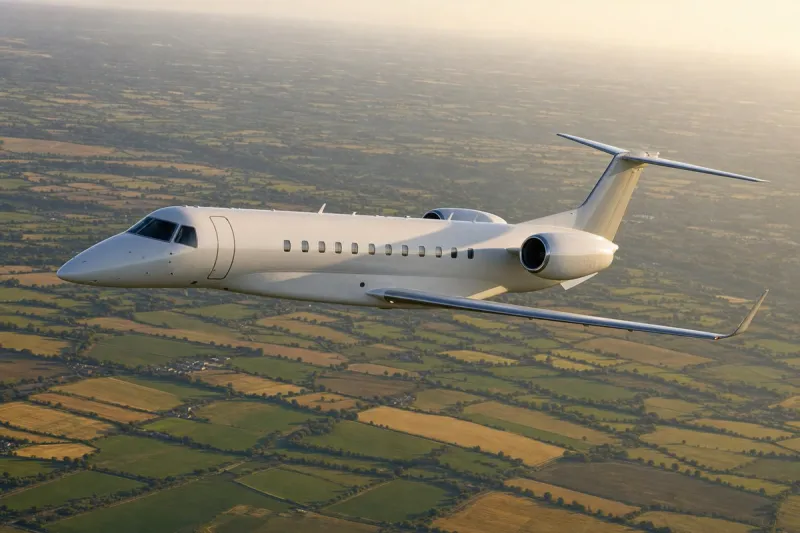
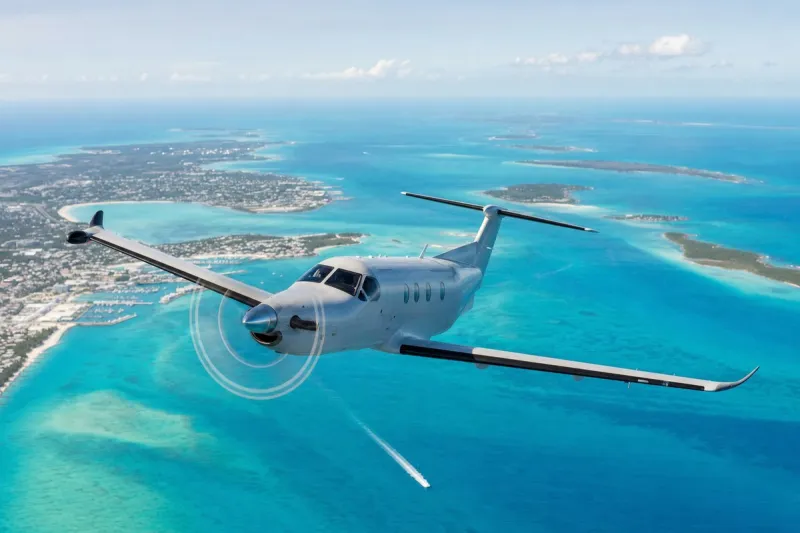
The forecast calls for 9,950 new business jet deliveries worldwide from 2026 through 2035, a 4.4% increase over last year's forecast. Honeywell also projects 4,200 turboprop deliveries over the same period, bringing total expected business aircraft deliveries to about 14,000 across the decade. The midsize jet fleet is forecast to expand 40% by 2035, and large-cabin aircraft are expected to account for the largest share of new business jet delivery value, reflecting demand for long-range travel.
Flight hours are projected to rise 34% over the decade, outpacing fleet growth. Business jet flight hours already increased 4% year over year in the period the report covers, with midsize jet activity up 7% and large-cabin jet activity up 5%. Nearly nine in ten operators surveyed expect to fly the same number of hours or more in 2027 than in 2026, and about one-third expect their flight activity to increase.
North America remains the largest market for business aviation, according to Honeywell, while Latin America and parts of Asia-Pacific offer additional growth opportunities. The outlook points to continued demand for charter flights, managed aircraft and fractional ownership.
Industry impact & what to watch
Honeywell's numbers describe a market in which usage is growing faster than the aircraft supply behind it: a 34% rise in flight hours against a 29% rise in fleet size. When hours per aircraft climb, the practical pressure falls on availability and scheduling rather than on the headline count of aircraft in service, which is why peak-period pricing can firm even while charter supply increases.
The delivery mix matters as much as the total. If large-cabin aircraft account for the largest share of delivery value while the midsize fleet grows 40%, new capital is flowing to both ends of the range, and the segments that serve long-range demand and the workhorse middle of the market are expanding on different logic. Charter, managed-aircraft and fractional programmes each draw on that fleet in different ways, so the same growth shows up differently in each business model.
Operator expectations are the nearest real-world test of the forecast. If the roughly nine in ten operators who expect flat or higher hours in 2027 turn out to be right, the year-over-year gains already seen in midsize and large-cabin activity will have continued into the next period.