HondaJet Echelon Targets 2031 Delivery; Aircraft Business Seen as Minor Driver of Honda Motor (7267) Share Price
Why It MattersHonda's jet programme shows how an OEM can fund a long-horizon business aircraft development inside a conglomerate whose earnings and valuation are set elsewhere, so the programme's progress barely moves group results.
What happened
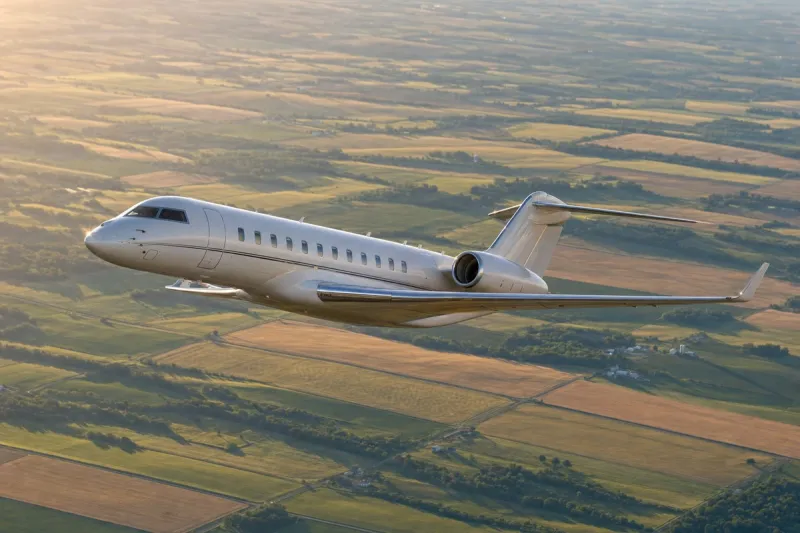
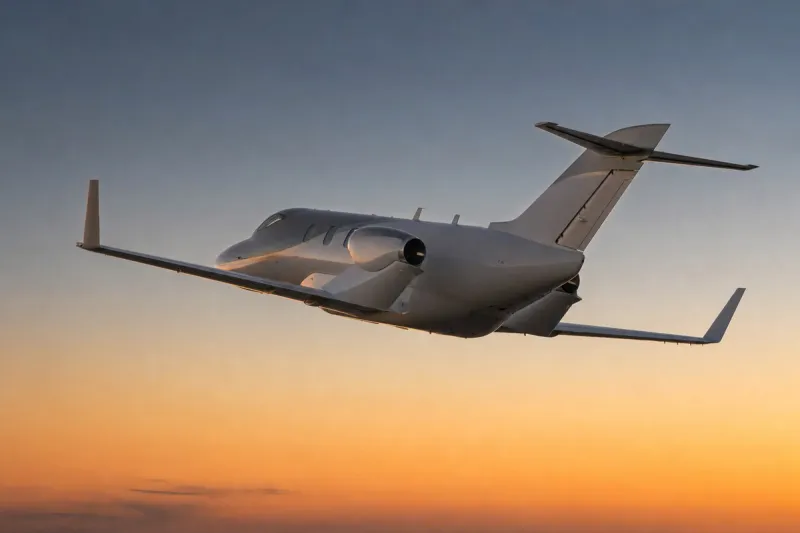
Honda Aircraft Company, Inc. (HACI) develops and builds the HondaJet, a very light jet that received FAA type certification at the end of 2015 and began deliveries then. Its over-the-wing engine mount (OTWEM) layout is credited with a larger cabin and baggage space, 15-20% better fuel efficiency and a quieter cabin. The HondaJet topped the very light jet category in annual deliveries for five consecutive years (2017-2021) and passed 200 cumulative deliveries in December.
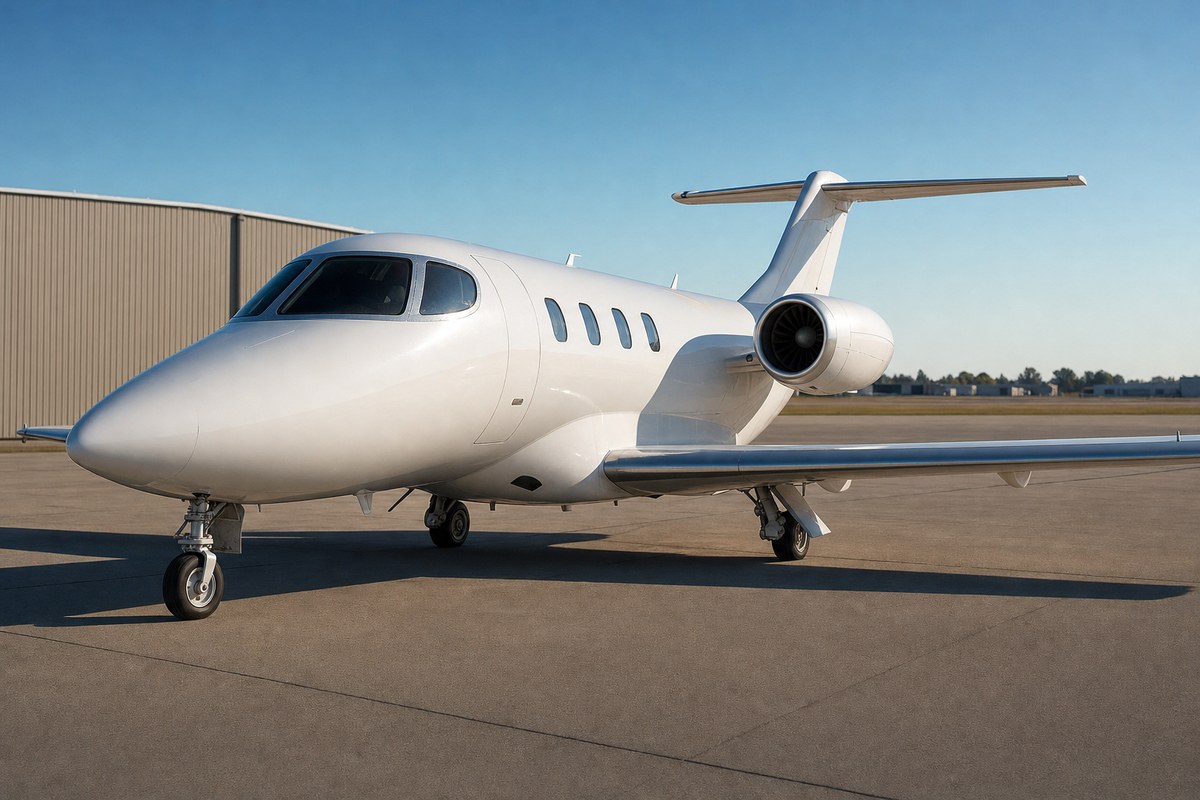
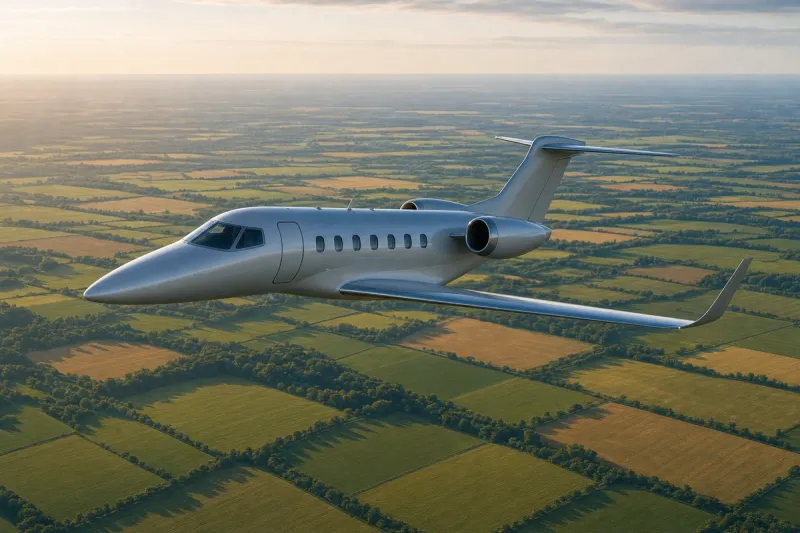
The HondaJet Echelon, formerly the HondaJet 2600 Concept, was approved for productization in June 2023 and named in October 2023. The targets are a first flight in 2028, then FAA type certification and customer deliveries in 2031. Stated performance is a range of 2,625 nm (about 4,861 km), a cruise speed of 450 ktas, a ceiling of 47,000 ft and up to 11 occupants.
The Echelon is cited as burning roughly 20% less fuel than competitors such as the Embraer Phenom 300E and Cessna Citation CJ4 (Gen2). 350-500 letters of intent were reported at the commercialization announcement, and maintenance (MRO) revenue is flagged as a possible contributor over time.
On Honda's financials, HondaJet annual sales of several tens of billions to about 100 billion yen come to under 1% of Honda's roughly 20-21 trillion yen consolidated revenue, so the direct share-price impact is described as almost zero. Motorcycles are the main profit driver, with an operating margin above 18%, and financial services is a steady cash source. Honda trades at a PBR of about 0.4-0.5x with a dividend yield of about 4-5%, net cash above 3 trillion yen and an equity ratio of about 55%.
Industry impact & what to watch
The arithmetic of this case is the story: a certified, category-leading light jet line that contributes less than 1% of group revenue. For a manufacturer in that position, the aircraft business is a technology and brand investment carried by other divisions, not a profit centre that investors price on its own. That shapes how long a programme like the Echelon can run, since a first flight in 2028 and certification in 2031 imply several years of spend before any delivery revenue.
For the light and midsize jet segment, a 2,625 nm range, 450 ktas cruise and a claimed fuel-burn advantage of roughly 20% over the Phenom 300E and Citation CJ4 (Gen2) put Honda's next product directly against established incumbents. The 350-500 letters of intent are the early demand signal, but they are intentions, not firm orders, and conversion will only be visible as the programme approaches certification.
The dated milestones are the first flight targeted for 2028 and FAA type certification with first customer deliveries targeted for 2031. If those dates hold, the aftermarket, including the MRO revenue the Echelon could add, becomes the next place the aircraft business could grow in relevance to Honda's results.