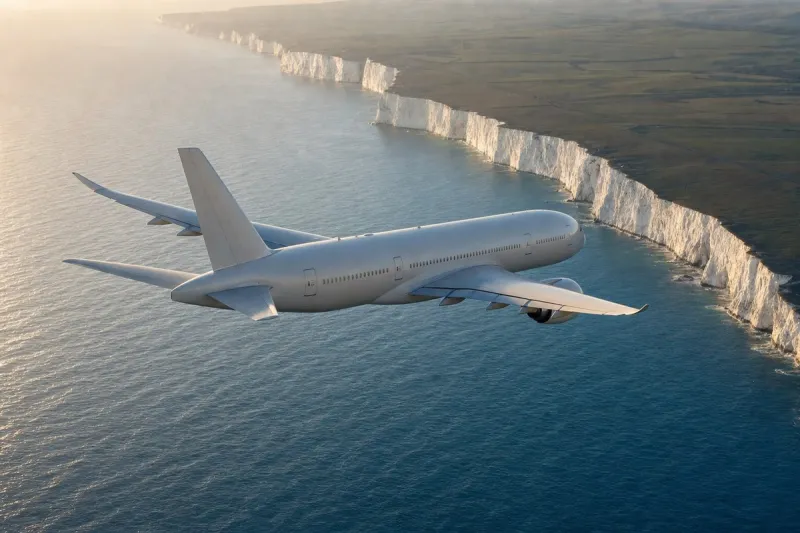
Gia Binh International Airport Targets 30 Million Passengers by 2030, With Control Tower at Full 127-Metre Height
Why It MattersNew-build hub airports in fast-growing economies are staged around fixed national deadlines, so a political event can dictate which facilities are built first and how soon airlines can plan service.
What happened
Gia Binh International Airport (GBIA), a mega-project approved by Vietnam's National Assembly in December 2025, is being developed by Masterise Aviation Infrastructure JSC (MAI), a member of Masterise Group. MAI chief executive Vu Hoang Long spoke to FlightGlobal while representing GBIA at Routes World 2026 in Berlin, Germany, from 21-23 October 2026.
Under the master plan, the airport is expected to handle 30 million passengers and 1.6 million tonnes of cargo annually by 2030, rising to 50 million passengers and 2.5 million tonnes of cargo by 2050. It is planned to ICAO Code 4F standards, which allow operations by the largest wide-body aircraft. The developer says it aims to build an integrated passenger and cargo hub, with a long-term ambition of a 5-Star Skytrax rating alongside environmental, social and governance (ESG) commitments.
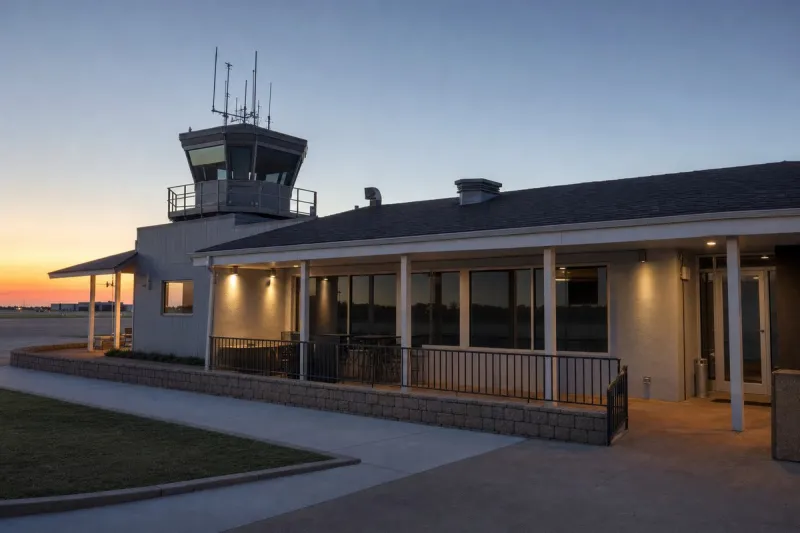
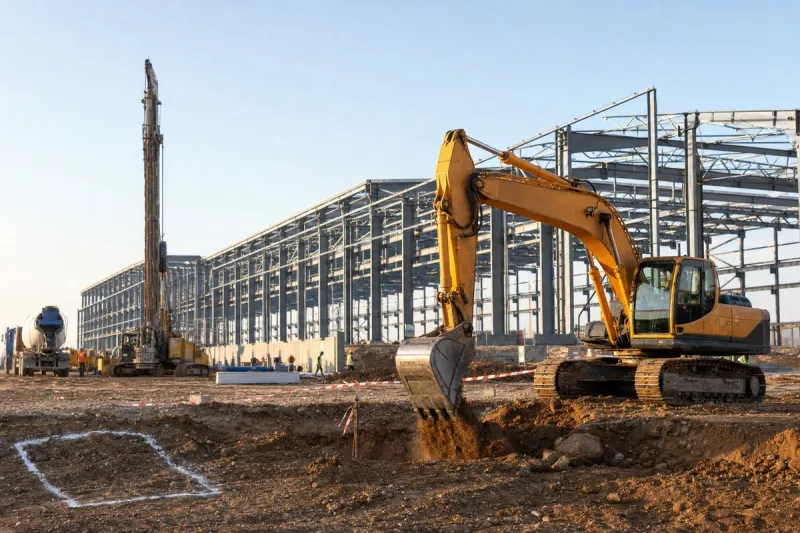
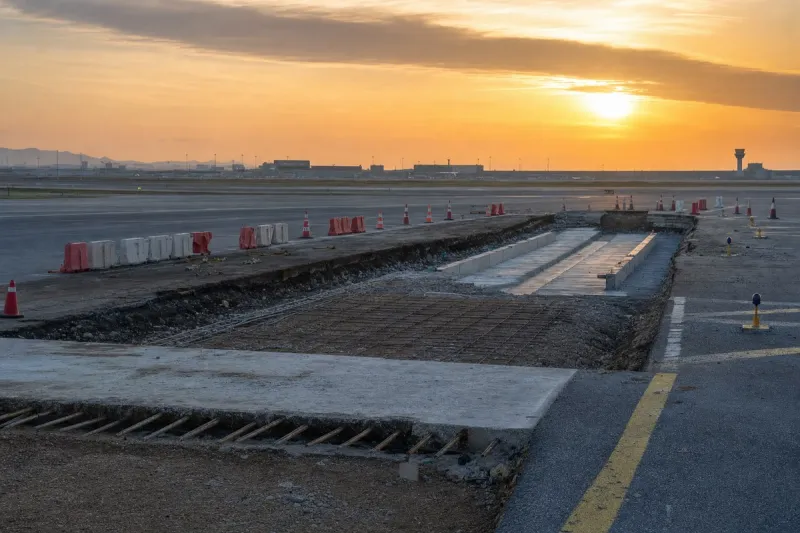
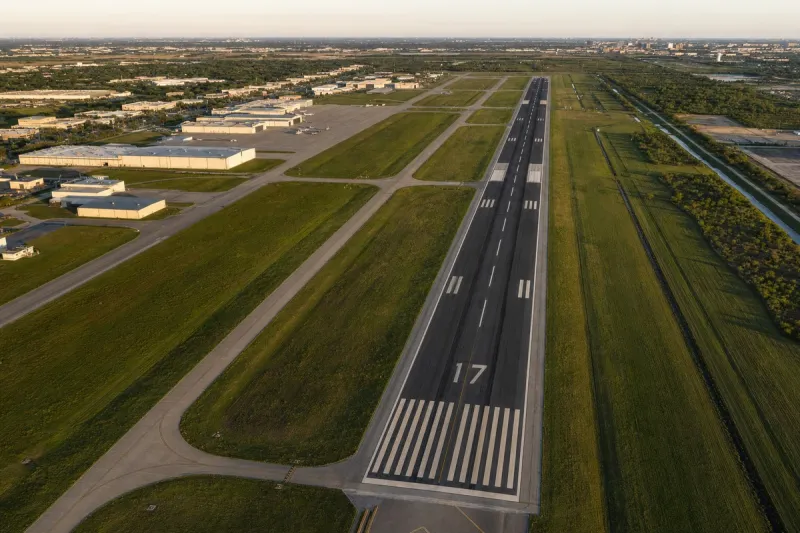
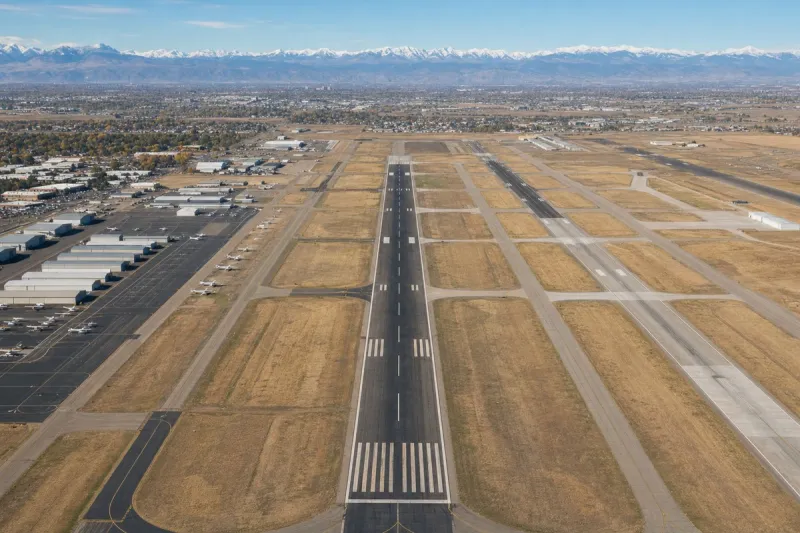
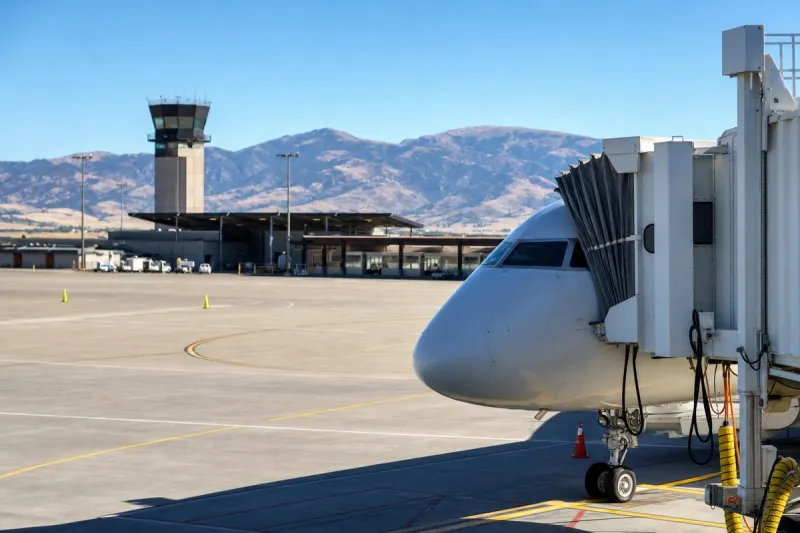
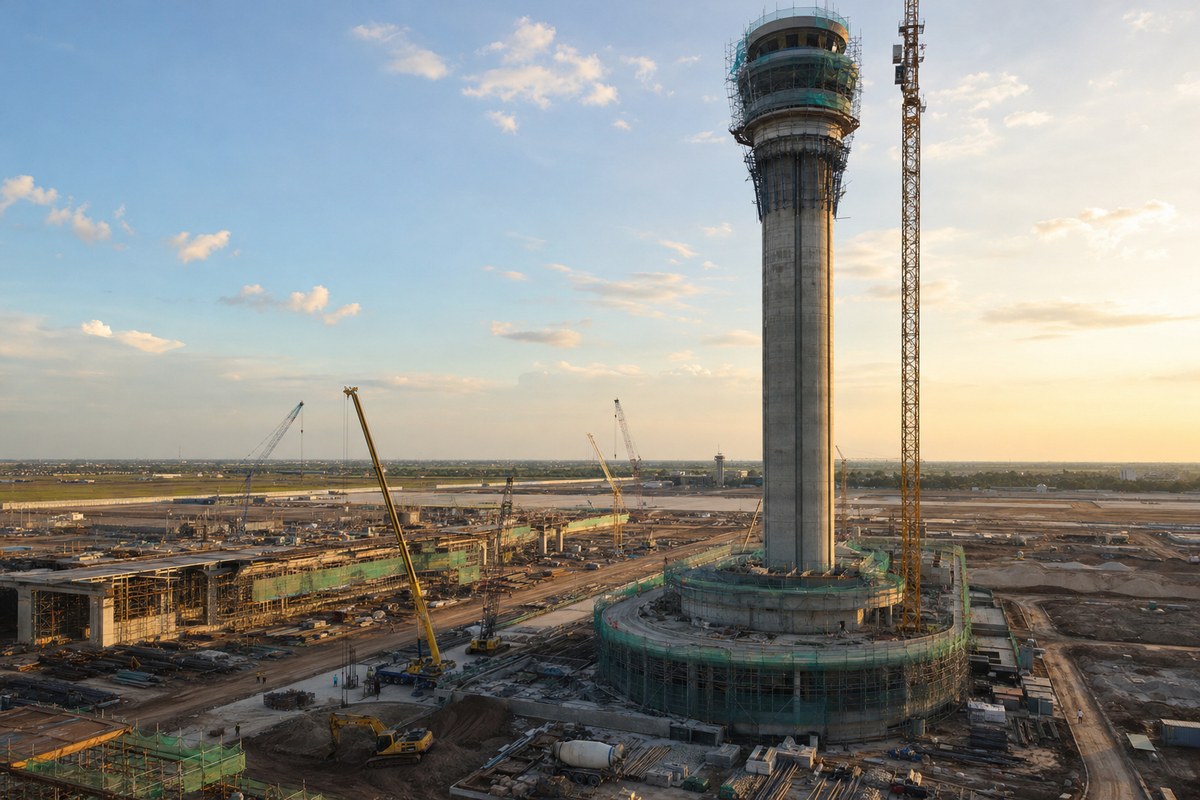
The first construction phase focuses on facilities supporting APEC 2027: airside infrastructure, the VIP terminal, the air traffic control tower, technical infrastructure and aviation navigation systems. By the end of August 2026, the control tower had completed its primary structural works and reached its full design height of 127 metres. Construction of the VIP terminal, runway and other critical facilities is progressing, alongside equipment installation and operational readiness preparations.
The demand case MAI cites
Project analysis cited by MAI indicates that about 892,000 passengers travelling to or from Hanoi in 2025 connected through international hubs such as Doha, Istanbul, Guangzhou and Dubai. Within a three-hour flight radius, GBIA could reach 297 airports and a market of around 1.3 billion people.
The developer also points to the local economy. Bac Ninh attracted approximately US$5.73 billion in foreign direct investment in 2025. Vietnam's GDP grew 8.02% in 2025 and CPI rose 3.31%, and the Government has set a target of at least 10% economic growth for 2026.
Industry impact & what to watch
GBIA is being built in phases, and the first phase is tied to a fixed event, APEC 2027. That ordering explains why the control tower, VIP terminal, runway and navigation systems come first. For a new airport, the airside and air traffic control layer has to be certified and equipped before airlines can plan scheduled service, so a tower at full height is a structural milestone rather than a commercial one.
The demand argument rests on diverting traffic that currently connects through Gulf, Turkish and Chinese hubs. Whether point-to-point services replace those connections depends on carriers committing aircraft and slots, and on the cargo side on forwarders committing volume. The 30 million passenger and 1.6 million tonne figures for 2030 are plan targets, not forecasts of confirmed airline commitments.
The next dated checkpoint is APEC 2027, when the VIP terminal, runway, equipment installation and operational readiness work will be tested against the schedule MAI has described.