ICAO Backs Global Rollout of Air Traffic Flow Management to Cut Holding Delays
Why It MattersFlow management shifts the cost of capacity limits from circling aircraft in the air to coordinated holds on the ground, which makes delay a shared network problem rather than an individual airline's.
What happened
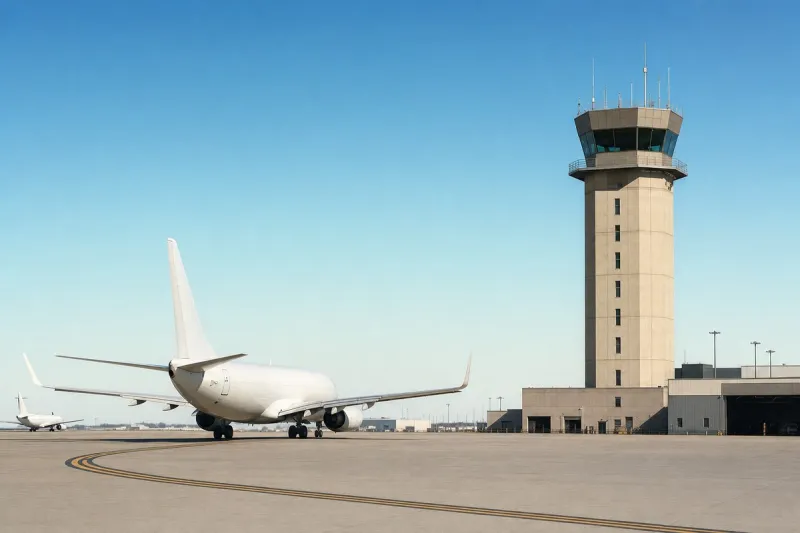
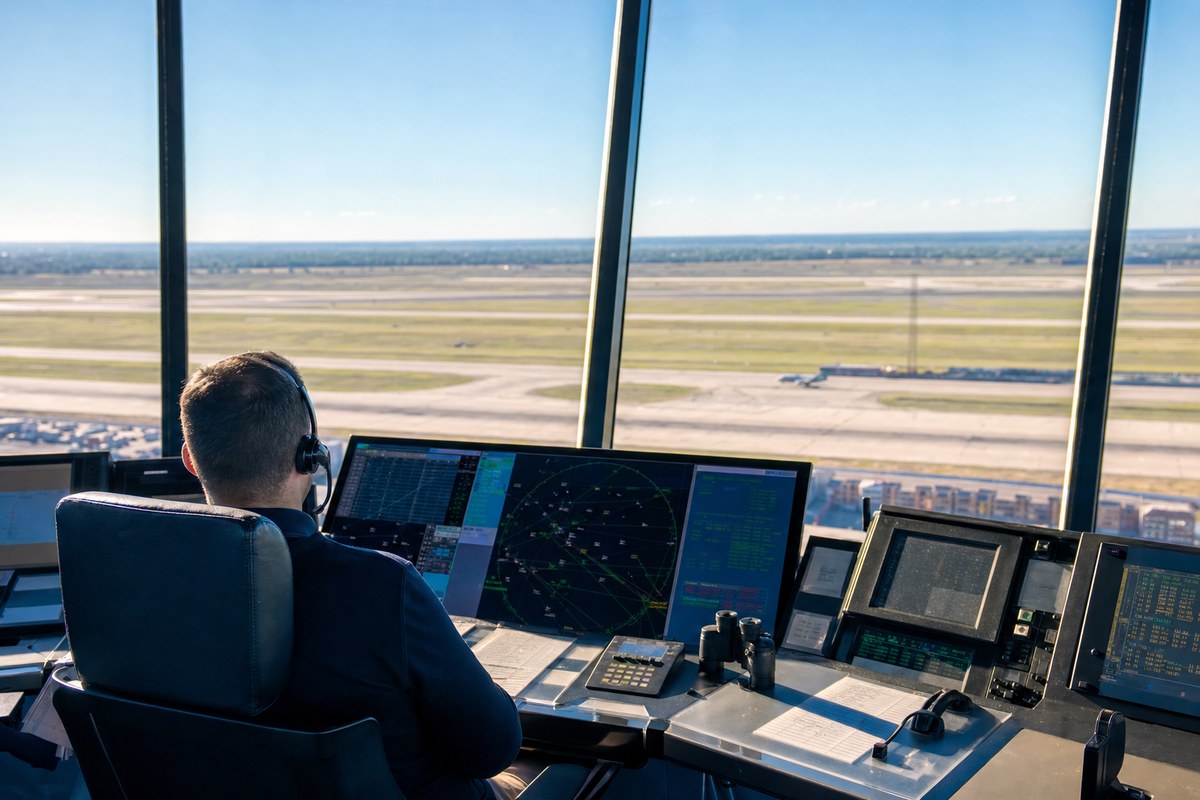
The International Civil Aviation Organization (ICAO), the UN agency that sets global aviation standards, is pushing governments to coordinate flights more closely through air traffic flow management. In that system, airlines, airports, controllers and weather services share information and make decisions together. When an airport cannot accept more aircraft for a time, it can coordinate with others to hold back departures rather than leave planes circling in holding patterns.
After five days of talks in Montreal convened by ICAO, governments and industry backed a faster global rollout. ICAO has 193 member States and said new international rules on flow management are due in November 2030, with regional workshops planned for 2027.
The figures cited for the cost of delay and the benefit of coordination come from two regions. EUROCONTROL, Europe's air navigation body, estimated that air traffic management delays in Europe cost $2.3 billion or more in 2025. In the Americas, collaborative trials supported by ICAO saved more than 265,000 minutes of flying time (about 4,400 hours) and over $38.9 million, along with some 13,330 tonnes of fuel and 42,160 tonnes of carbon dioxide emissions.
A EUROCONTROL programme in Europe anticipating weather and congestion avoided around 3.1 million minutes of delay between May and August, saving an estimated $448 million and making the network 14 per cent more stable on the worst days.
Airlines carried nearly five billion passengers on 38 million flights in 2025, and ICAO projects air travel could reach 12.4 billion passengers by 2050. Rerouting around conflict zones, drones, air taxis, rocket launches and re-entries of objects from orbit add further coordination demands.
Industry impact & what to watch
Flow management changes where a capacity shortfall is absorbed. Without it, an airport that cannot accept more arrivals pushes the problem into the air, where aircraft burn fuel in holding patterns. With it, the same shortfall is handled by delaying departures at origin, so the cost shows up as a ground hold rather than as circling. The Americas trials and the EUROCONTROL programme both point to savings in minutes, fuel and emissions from that shift, though the two sets of figures measure different things and are not directly comparable.
The pressure behind the push is growing demand and a growing list of airspace users. ICAO cites nearly five billion passengers on 38 million flights in 2025 and a projection of 12.4 billion passengers by 2050, while conflict-zone rerouting, drones, air taxis, rocket launches and re-entering orbital objects each add their own constraints. Business aviation shares that airspace with scheduled traffic, so a system that sequences departures network-wide affects it as well, whether through slot-style holds or fewer airborne delays.
The dated milestones are specific: regional workshops in 2027 and international rules due in November 2030. Until the rules arrive, adoption depends on individual States and regions choosing to coordinate, which makes the 2027 workshops the first point at which differences in regional readiness become visible.