Oklahoma City Airport Trust Plans Renovation to Reopen Closed Restaurant at Wiley Post Airport
Why It MattersAirport owners often carry shuttered on-field amenities for years after an operator exits, and a reopening depends on the landlord first funding facility work before any new operator can be found.
What happened
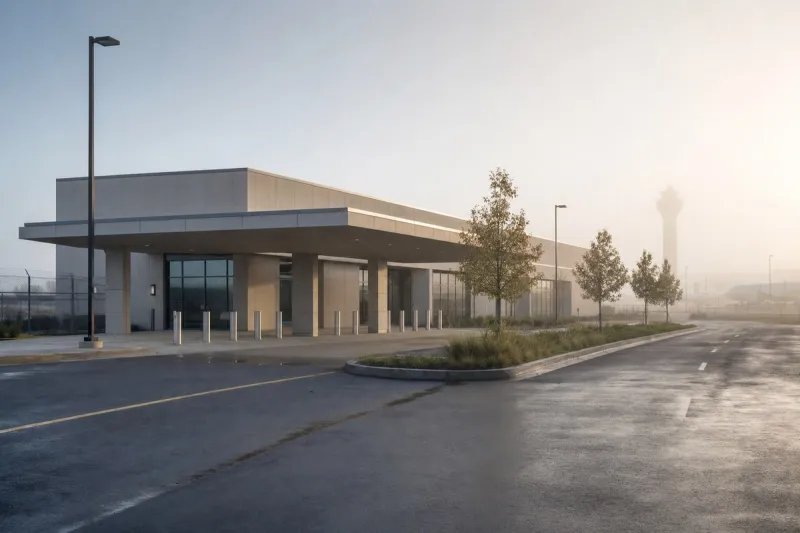
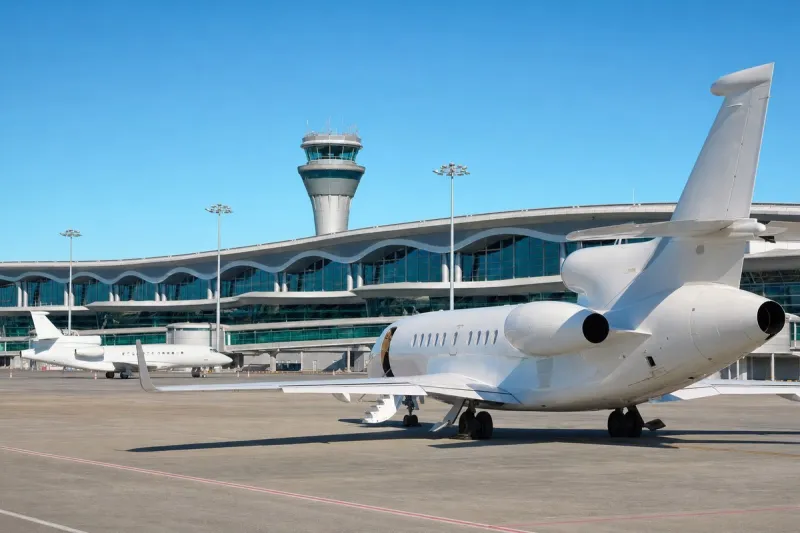
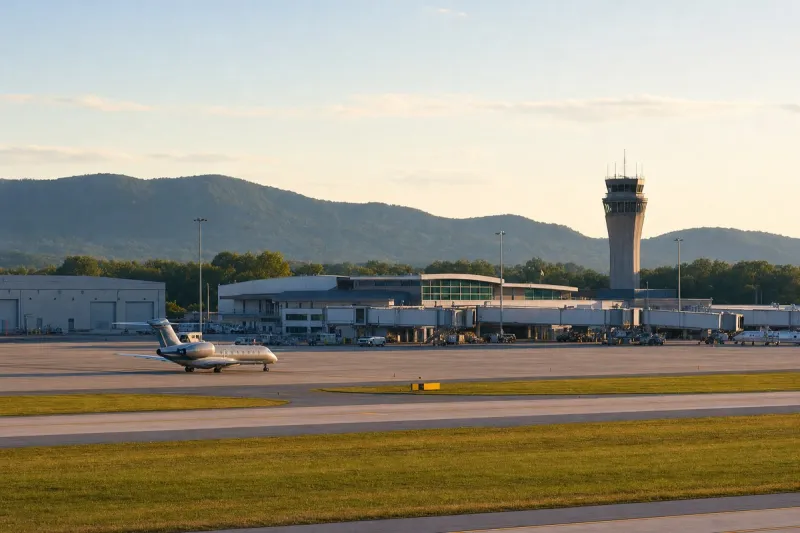
Design work is getting started on a renovation of the dining area and kitchen of the closed restaurant at Wiley Post Airport in Oklahoma City, last known as Annie Okie's Runway Cafe. Kristy Slater, the airport's general aviation manager, described the project.
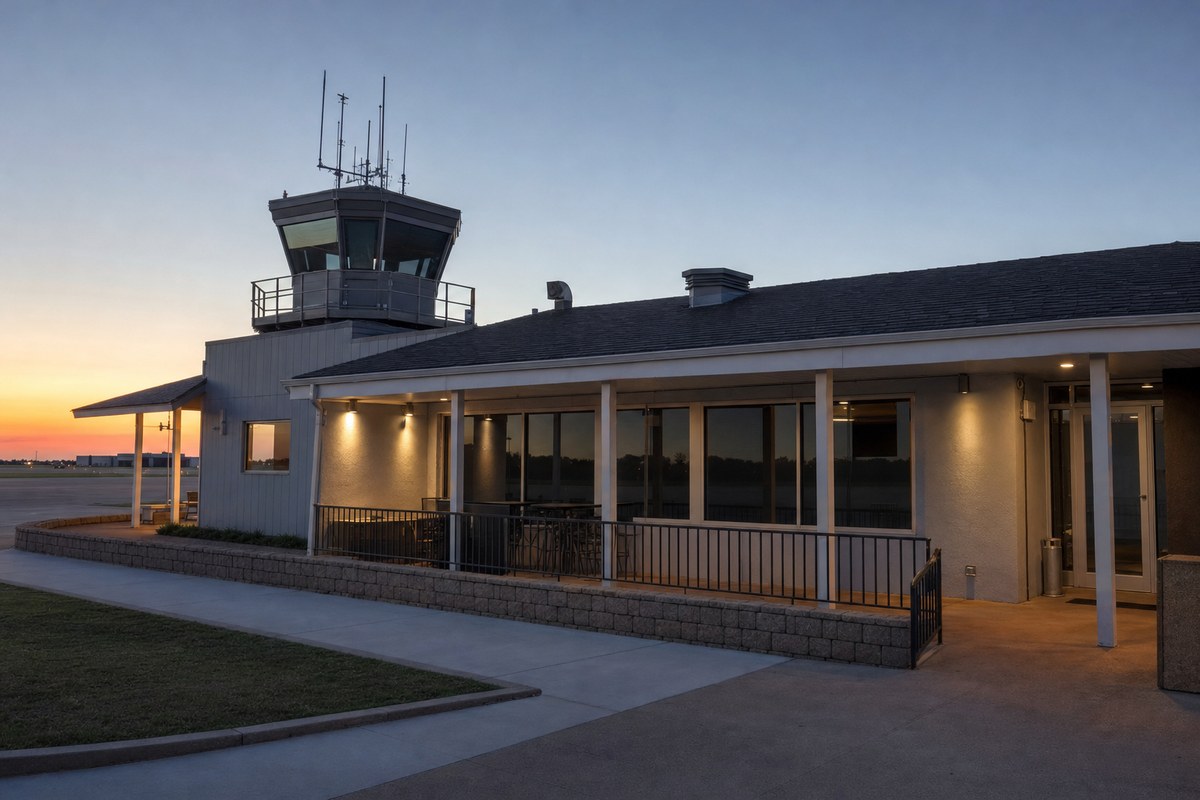
The restaurant closed at the start of the pandemic, and the operator at the time was unable to reopen as travel began to recover. Slater could not give a timeline for when the space will be ready for a new operator. She confirmed the Oklahoma City Airport Trust is responding to ongoing interest from airport users and the surrounding community in having the restaurant reopen.
Dave Amis, a veteran aviator who owned the Downtown Airpark until it closed in 2005, said he has long hoped the restaurant would reopen and recalled bringing his family there to watch aircraft. The restaurant served typical diner food and all-day breakfasts and tended to receive good online reviews. When the Downtown Airpark closed, it was the only remaining spot in Oklahoma City for dining beside a runway, short of traveling to the OK Diner at Max Westheimer Airport in Norman.
Tulakes Airport opened in 1942 at Rockwell Avenue and NW 50, and the restaurant opened as part of a new terminal in 1959. The airport was renamed in honor of Wiley Post in 1961. It is designated as a reliever for OKC Will Rogers International Airport and hosts corporate and business aviation; it is listed as the only regional airport for hobby pilots and aircraft owners.
Industry impact & what to watch
On-airport restaurants at general aviation fields serve two audiences at once: the pilots and crews who land for a meal, and the neighbours who come to watch aircraft. That dual draw is why airport owners tend to treat a dark restaurant as something to fix rather than to leave vacant, even when the food operation itself is small.
The sequence here is a common one for airport-owned space. The landlord funds work on the dining area and kitchen first, and only then seeks a new operator, because a tenant that failed once during a demand shock is hard to replace in a space that has sat idle. The cost of the renovation therefore falls on the airport authority, while the operating risk passes to whoever takes the lease.
The next milestone is the one Slater could not yet name: a date by which the space is ready for a new operator. Until the Trust sets one, the project remains at the design stage.