AUVSI Counsel Outlines Part 108 Right-of-Way Proposal for Crewed Aircraft Below 500 Feet
Why It MattersPart 108's right-of-way design shifts collision avoidance toward electronic conspicuity, because drones can yield only to aircraft they can detect, which makes low-altitude crewed traffic equipage the central question for helicopter operators.
What happened
In an October 26, 2026 commentary, Scott Shtofman, VP and Counsel for Regulatory Affairs at AUVSI, discussed how the FAA's Part 108 rule for beyond visual line of sight (BVLOS) drone operations would affect crewed aircraft flying below 500 feet. The rule is in final White House review after its proposal drew more than 3,000 comments, over half of which concerned who yields to whom.
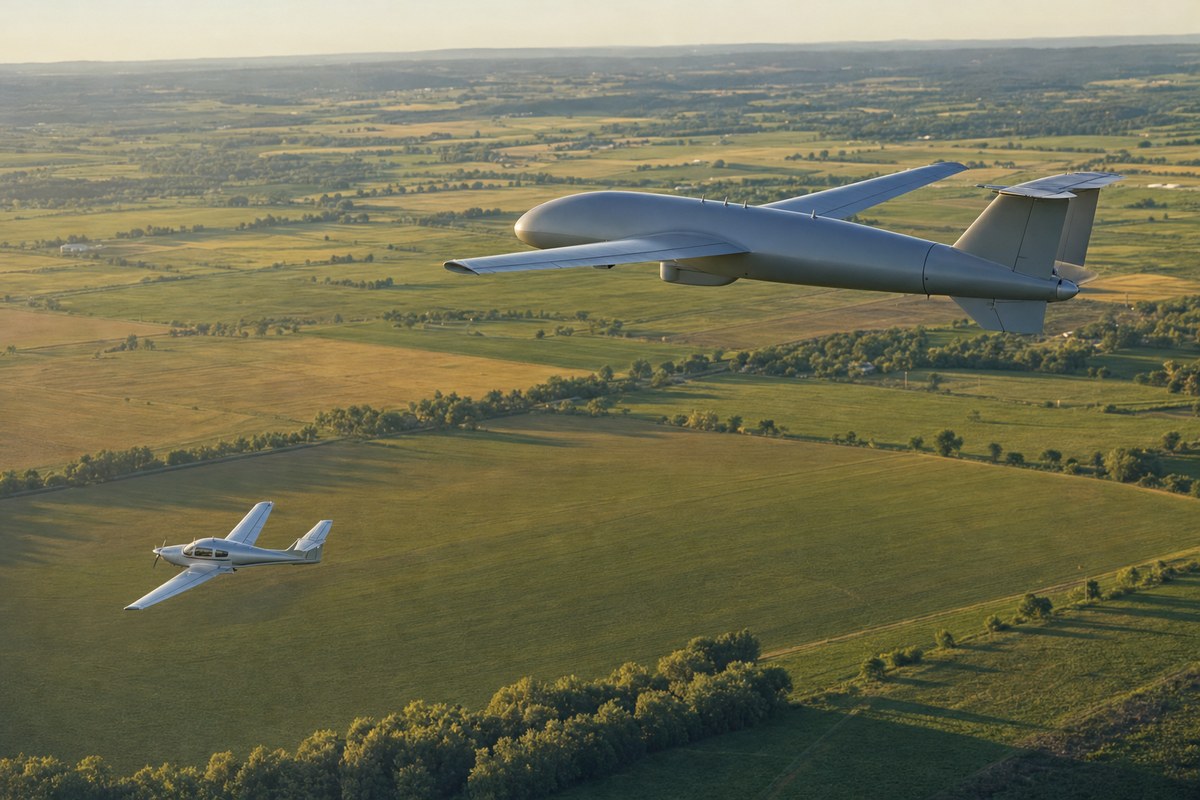
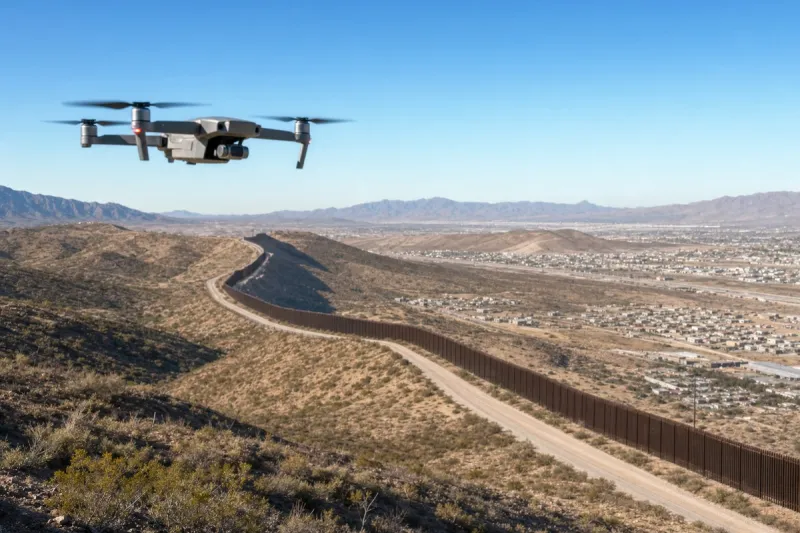
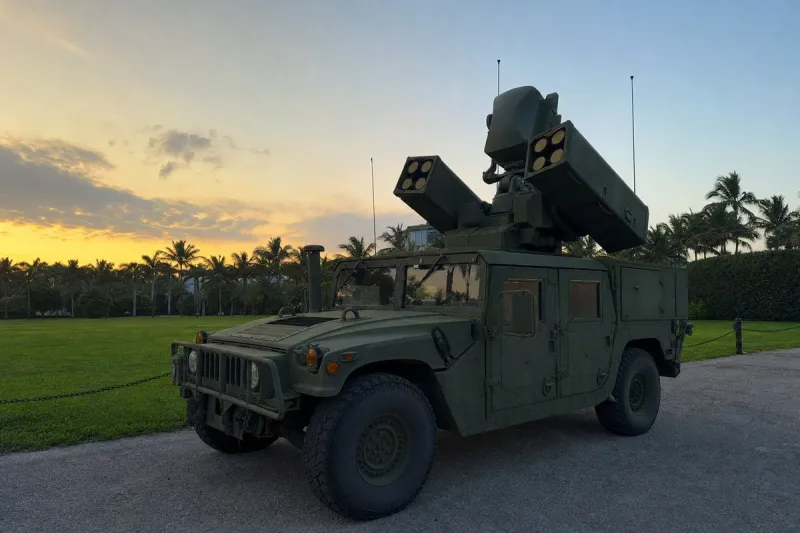
Under the proposal, drones flying under Part 108 would have right of way over crewed aircraft below 400 feet. Four exceptions apply: when the crewed aircraft is broadcasting ADS-B Out or an approved low-cost electronic conspicuity device; in Class B or C airspace; during takeoff or landing at an airport or heliport; and over the most densely populated areas.
Shtofman said most of the helicopter community objected to the population-based exception, and AUVSI agreed that population-based reversals do not work in a cockpit because those zones are not charted and can be crossed in seconds at 100 kn. AUVSI asked the FAA to require electronic conspicuity for crewed aircraft below 500 feet, to authorize affordable non-certified devices, and to keep the airport and heliport carve-out intact.
Detect-and-avoid and shielded operations
Shtofman said a drone can reliably yield to an aircraft that is broadcasting but cannot reliably detect one that is not. He added that adding sensors would add weight, cost and complexity to aircraft weighing 55 pounds or significantly less.
Shielded operations, including flights close to structures such as power lines and towers, would carry relaxed detect-and-avoid requirements. AUVSI supports this and asked the FAA to widen the envelope while keeping such flights at or below structure height.
AUVSI's comments also included a public-safety appendix drawn from drone-as-first-responder programs flying under current waivers. Chula Vista, California, alone has flown more than 25,000 responses without a midair collision.
Industry impact & what to watch
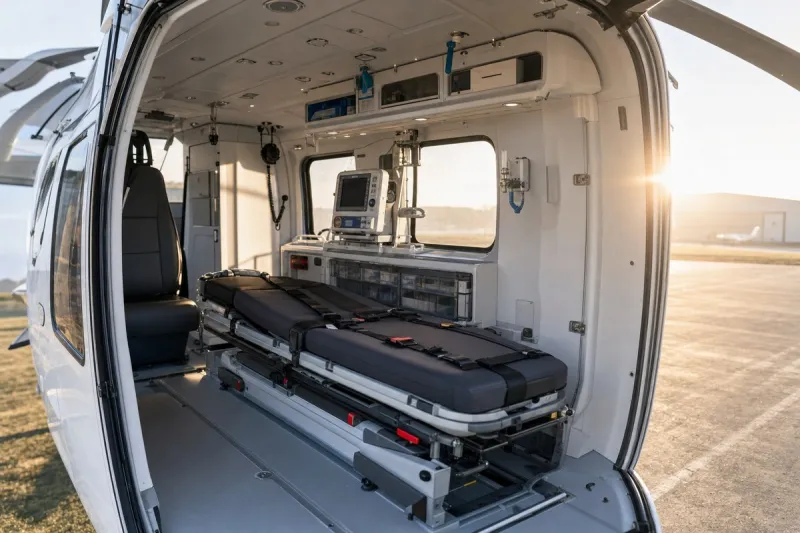
The right-of-way structure in the proposal ties priority to detectability. A broadcasting aircraft keeps its protection, while a non-broadcasting one below 400 feet outside the listed exceptions would be expected to be yielded to by nobody, because a small drone cannot reliably sense it. For helicopter operators, emergency medical, law enforcement, utility and agricultural flying at low level, that makes the cost and certification route of conspicuity devices the practical battleground, more than the right-of-way wording itself.
The objection to the population-based exception also shows how the rule will be judged: by whether a pilot can apply it in the cockpit. A boundary that cannot be charted and can be crossed in seconds is hard to operate around, which is why the airport and heliport carve-out, defined by place rather than density, is the piece AUVSI wants preserved.
The next dated milestone is publication of Part 108, which Shtofman said is hoped for by the end of 2026. The FAA has already reopened the docket once on right-of-way and conspicuity, so the final text on those two points may change again.