California Court of Appeal Lets Insurer Rescind Aircraft Policy Over Undisclosed Embezzled Purchase Funds
Why It MattersAircraft underwriting in California now carries an affirmative disclosure duty reaching facts the application never asks about, so ownership structure and funding provenance become live rescission exposure for any LLC-held jet.
What happened
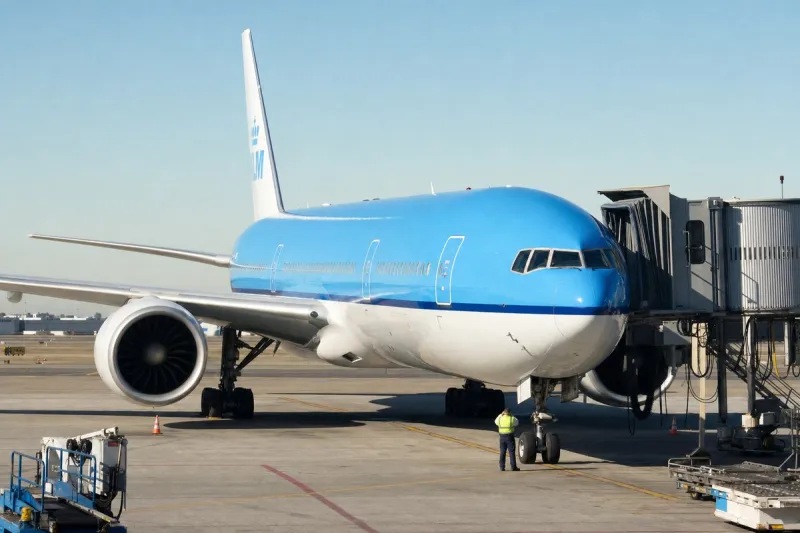
The California Court of Appeal, applying California law, held that an aircraft owner's failure to disclose that the aircraft's purchase was financed with embezzled funds entitled the insurer to rescind the aircraft policy. The ruling came even though the insurance application did not ask about the source of the funds.

A limited liability company bought a private jet with contributions from its two members. One of them, who was also the company's manager, contributed nearly $2 million that he had previously embezzled from a client of his law firm. The company then bought an aircraft policy covering physical loss of the aircraft due to seizure by, or under the order of, any government, public or local authority, whether civil, military or de facto.
Federal authorities seized the aircraft in connection with the manager's criminal prosecution, and the company's remaining member claimed under the policy for the aircraft's value. After the manager was convicted, the insurer denied coverage and rescinded the policy, citing the company's concealment of material facts during underwriting. In the coverage litigation that followed, a jury found that the insurer was not entitled to equitable rescission.
The Court of Appeal held that California Insurance Code section 332 imposes an affirmative duty on an applicant to disclose all material facts it knows that the insurer has no means of ascertaining, regardless of whether the application specifically asks about them. The court also found the embezzlement material as a matter of law, reasoning that no rational insurer would agree to insure against government seizure of property if it knew the property had been bought with embezzled funds.
Industry impact & what to watch
The decision turns on a point that matters well beyond this case: in California, an application form does not define the limits of what an applicant must disclose. If a fact is material and the insurer has no independent way of learning it, silence can be enough to unwind coverage, whatever the questionnaire did or did not ask. For aircraft, where policies are routinely issued to special-purpose entities and the buyer's funding path is invisible to the underwriter, that shifts risk onto owners who assume a completed form means a completed disclosure.
The reasoning also shows how a seizure cover is priced. The insurer takes on the chance that a government might take the aircraft, and the court treated the origin of the purchase money as going directly to that chance. Coverage for governmental seizure is therefore more exposed to provenance questions than hull cover against physical damage, and a loss that arrives through a criminal case invites exactly this kind of underwriting review.
The jury reached the opposite result on rescission, and the appellate court's holding that materiality was established as a matter of law is what reversed the outcome. The next thing to watch is how the ruling is applied in later California coverage disputes involving jointly owned or entity-held aircraft, and whether underwriters respond by adding funding-source questions to their applications.