Piper PA-28-140 Suffers Total Engine Power Loss After Takeoff Near Abita Springs, Louisiana; NTSB Preliminary Report
Why It MattersLow-altitude power loss in the traffic pattern leaves a pilot seconds to choose between a turn back and a field ahead, and annual inspection status is part of that safety picture.
What happened
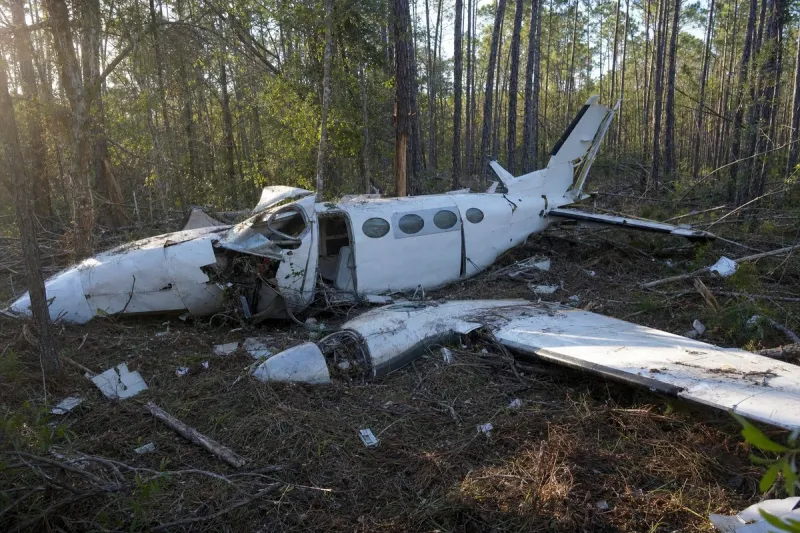
On October 12, 2026, at 1540 central daylight time, a Piper PA-28-140, registration N9859W, sustained substantial damage in an accident near Abita Springs, Louisiana. The airplane was operated as a Title 14 CFR Part 91 personal flight, according to the NTSB preliminary report.

The pilot said he topped off the fuel for a local flight. He performed the engine runup with the left fuel tank selected, found it normal, and did not change tank selection during the flight. He completed two full-stop takeoffs and landings without incident before attempting a third takeoff, and engine instrument indications were normal during the third takeoff roll and rotation.
While the airplane climbed through 700 ft above ground level and entered a left turn toward the downwind leg of the traffic pattern, the engine sputtered. The pilot said he verified the mixture was full rich and the fuel pump was on, and checked carburetor heat with no apparent effect. The airplane then suffered a total loss of engine power. The pilot engaged the starter and saw the propeller turn, but the engine did not restart.
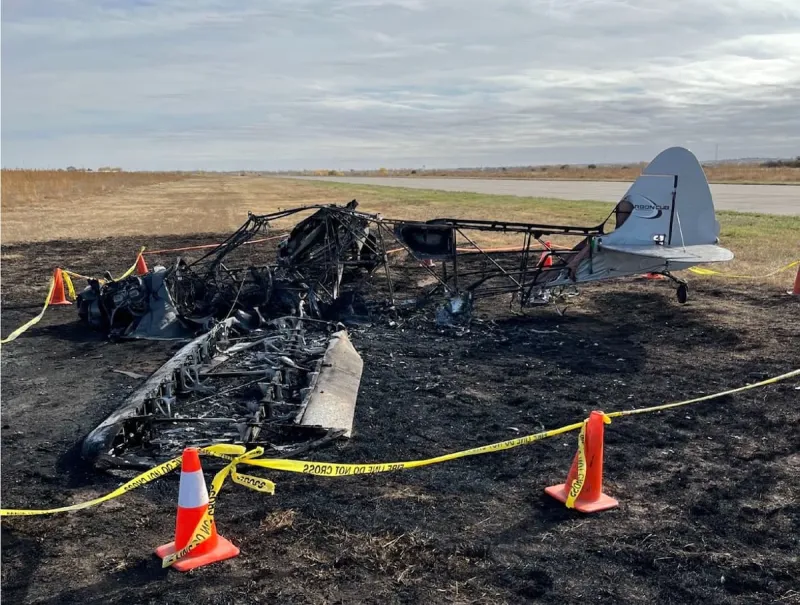
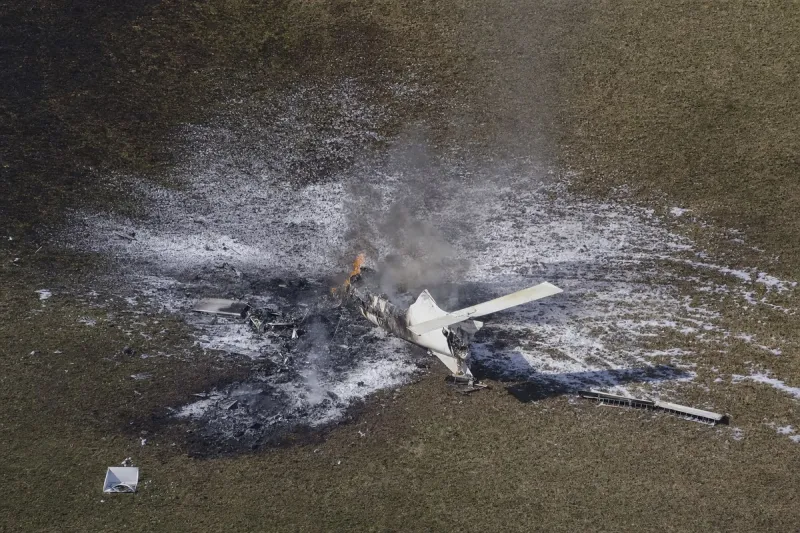
He first turned toward the departure runway but judged the airplane lacked the altitude to clear trees along the return course. He instead selected an open field to his right with a dirt road running through it. During the landing the airplane struck terrain and its left wing was substantially damaged. The owner stated the airplane did not have a current annual inspection under 14 CFR 91.409 at the time of the accident. The airplane was retained for further examination.
Industry impact & what to watch
Engine failures shortly after takeoff compress the decision window to a few seconds. At 700 ft above ground level in a turning climb, a pilot of a light single-engine piston airplane has little altitude to trade, and the choice between returning to the runway and landing ahead or to the side is made with obstacles such as trees already in view. In this case the pilot judged the return course unsafe and chose an open field, which is the kind of off-airport outcome that leads to substantial airframe damage even when the landing site is deliberately selected.
The owner's statement that the airplane lacked a current annual inspection under 14 CFR 91.409 puts maintenance status next to the power loss in the record. The preliminary report does not link the two, and the cause of the sputtering and total power loss has not been determined. The airplane was retained for further examination, so any finding on the engine, fuel system or carburetor will come from that work and from the NTSB's later investigative products.