FAA Proposes Fan Blade Inspections for All CFM56-7B Engines After In-Flight Blade Separation
Why It MattersA blade-out event serious enough to breach the fuselage tends to push regulators from single-engine fixes toward fleet-wide inspection regimes, which moves cost and downtime onto every operator of the engine family.
What happened
The U.S. Federal Aviation Administration has proposed a new airworthiness directive covering all CFM International, S.A. Model CFM56-7B engines. The notice of proposed rulemaking was published in the Federal Register on October 27, 2026 (Document 2026-21852, 91 FR 67532; docket FAA-2026-11817).
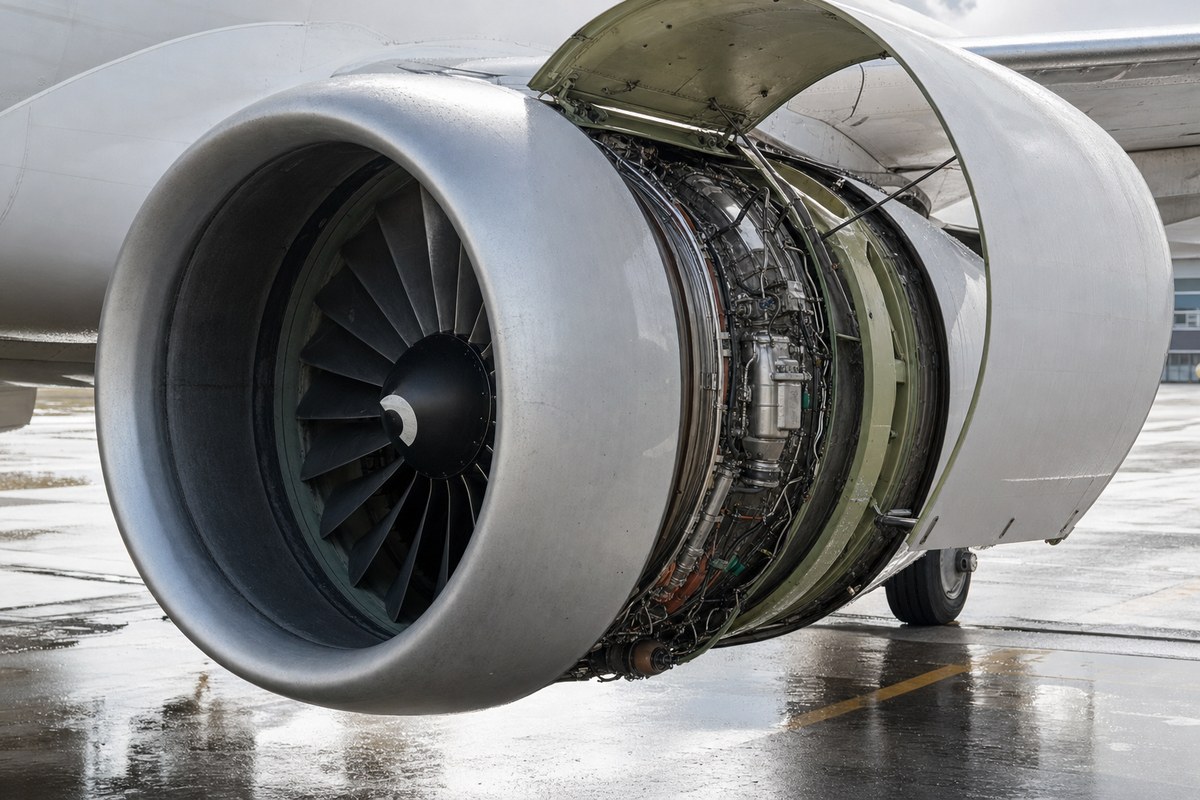
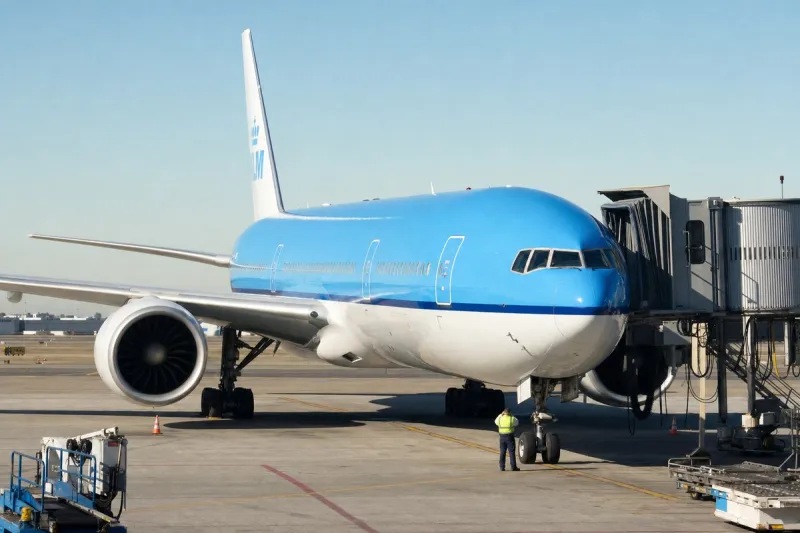
The proposal was prompted by an event involving a CFM56-7B26/3 engine on a Boeing 737-800. A fan blade separated during flight and caused an engine in-flight shutdown.
Debris from the event penetrated the fuselage, causing a loss of pressurization and an emergency descent.
Industry impact & what to watch
A fan blade release that sends debris through the fuselage is a different class of event from a contained failure: the engine shutdown is the lesser consequence, and the pressurization loss and emergency descent are what draw a regulator's attention to the whole engine model. Extending the proposal to all CFM56-7B engines, rather than a subset, reflects that reading.
For operators, a directive written at the model level means inspection work lands across every airframe carrying the engine, not only the aircraft involved. Shop capacity, spare-engine availability and scheduled maintenance slots are the practical pressure points for any fleet that flies this engine type.
The next step is the comment period that follows an NPRM, after which the FAA decides whether to issue a final rule. The compliance timing and inspection intervals in that final text will determine how much of the burden falls on operators.