FAA Orders Pitch Trim Actuator Inspections on 198 Fairchild Metroliner and Merlin Aircraft After Corrosion-Related Failures
Why It MattersMoisture-driven wear in a single flight-control component now brings recurring calendar-and-hours inspection duties to an older turboprop fleet, shifting ongoing maintenance cost and scheduling onto the operators who still fly these types.
What happened
The FAA issued a new airworthiness directive on Tuesday requiring inspections of the pitch trim systems on certain Fairchild/Swearingen SA226 Metroliner and SA227 Merlin aircraft, following reports of failures during flight. The directive takes effect Dec. 1, and the FAA estimates that 198 U.S.-registered airplanes are affected.
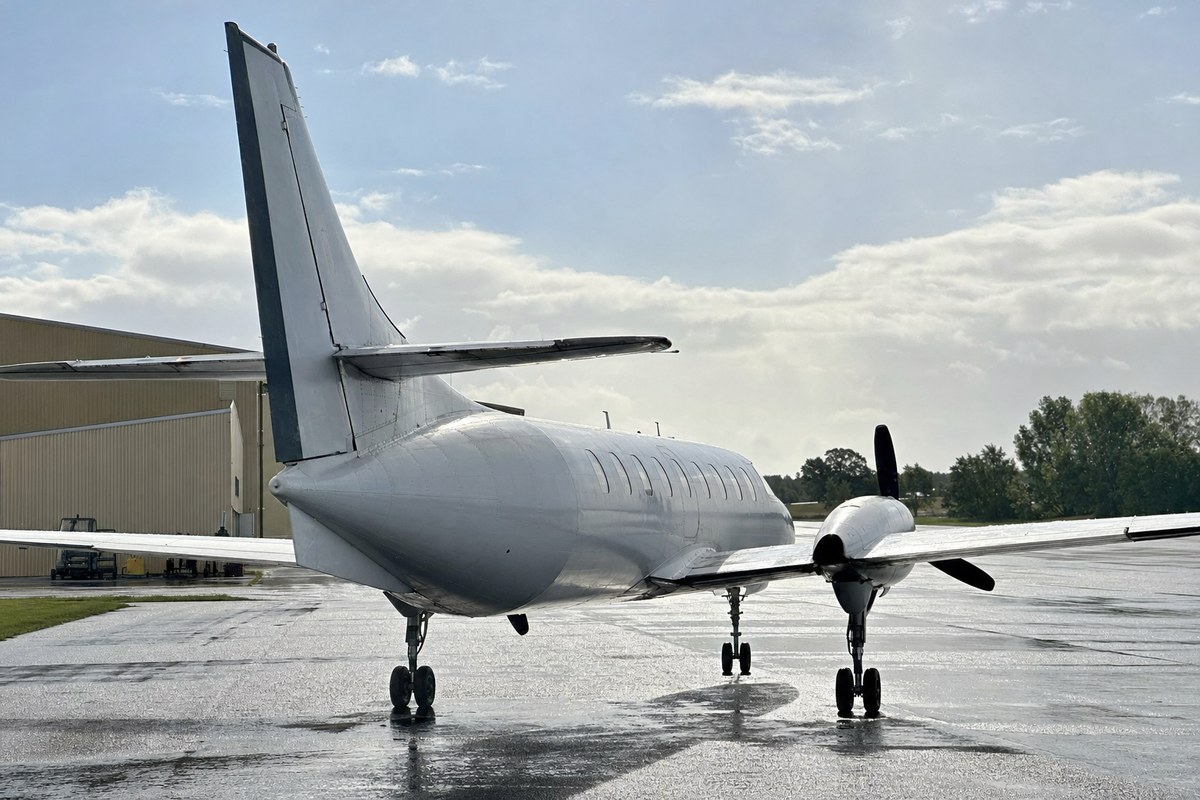
The agency said moisture entering the trim actuators could cause them to malfunction and affect aircraft control. "The unsafe condition, if not addressed, could result in pitch trim actuator failure and reduced control of the airplane," the FAA stated in the final rule. In an earlier proposed rule, the FAA disclosed that it had received six reports of in-flight pitch trim actuator failures attributed to corrosion, and it traced the problem to openings in certain Simmonds-Precision actuators that allow moisture to enter the internal mechanism.
The directive requires certain Metroliner and Merlin operators to inspect the affected components for damaged or missing sealant and to conduct recurring operational checks. Depending on the condition of the actuator, repairs or replacement may be required before further flight. The AD also calls for recurring inspections every 1,000 flight hours or 12 months, alongside operational checks every 250 to 300 flight hours or six months, depending on the specific actuator installed.
Industry impact & what to watch
A sealing defect in one component class, moisture reaching the internal mechanism of the trim actuator, has become a repeating obligation rather than a one-off fix. Because the inspections recur on both flight-hour and calendar intervals, the work follows each aircraft through its operating life and has to be planned into maintenance schedules, particularly for aircraft that fly few hours but still accumulate calendar time.
For the segment that operates these turboprops, the practical effect is a steady maintenance workload and the possibility of ground time if an actuator fails inspection, since repairs or replacement may be required before further flight. How many of the 198 aircraft end up needing parts work, as opposed to a clean sealant check, will determine how heavily the directive lands on individual operators.
The next fixed point is Dec. 1, when the directive takes effect and the inspection and recurring-check regime becomes mandatory.