Conditional Gulf Airspace, Iran Strike Risk and Strong El Niño Prompt Shorter Planning Horizons for Charter Operators
Why It MattersPlanning horizons for Gulf and wider Asia-Pacific charter work are shrinking to hours rather than weeks, so contract terms, fuel and alternates become the main tools for absorbing sudden airspace changes.
What happened
Private and charter operators face a widening band of conditional airspace stretching from the Levant through Iraq and the Gulf to the Red Sea approaches, where flying remains possible but planning assumptions can change within hours. A second, slower-moving driver is an El Niño event that forecasters describe as possibly unprecedented in strength, already reshaping weather risk in Southeast Asia, the Pacific and the Americas.

The United States is assembling forces able to strike Iran from early November, after the US midterm elections, though the same account says the build-up may be pressure to force a diplomatic outcome. Separate accounts say detailed plans for major strikes exist if the US president chooses them. Iran's foreign minister has said Tehran is prepared for either diplomacy or war. Renewed US-Israeli operations would likely bring immediate Iranian and Houthi retaliation against American personnel and facilities across the region.
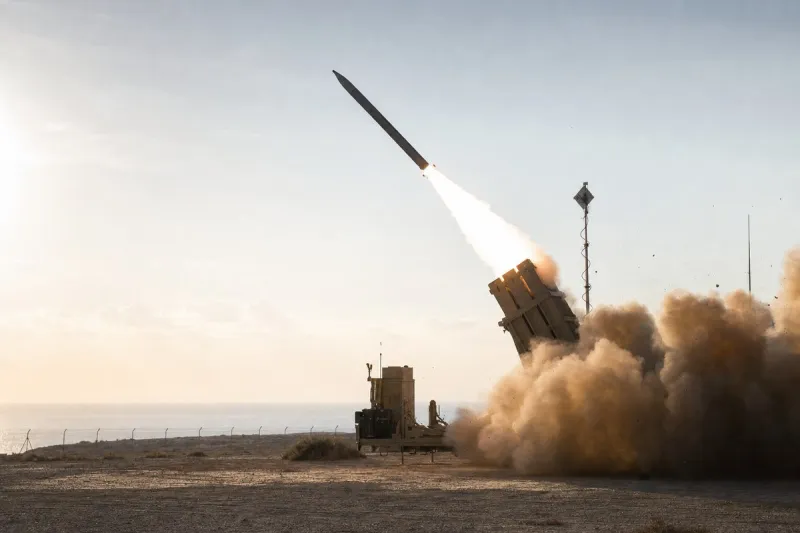
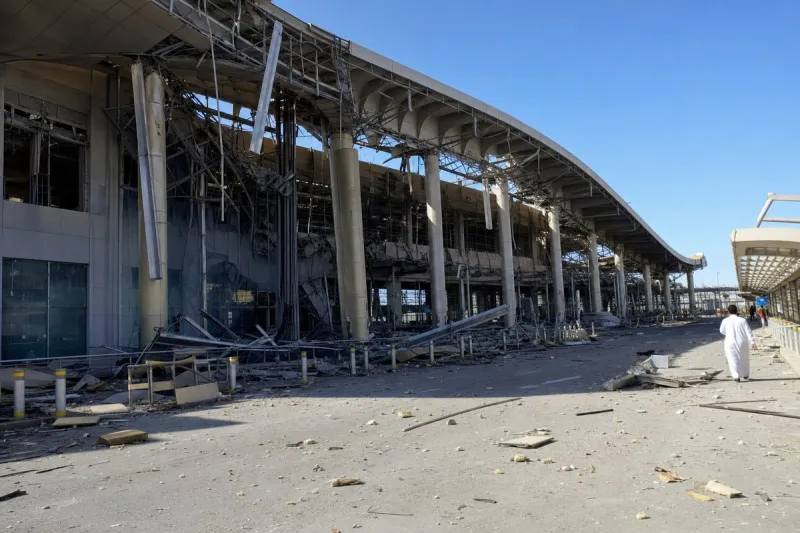
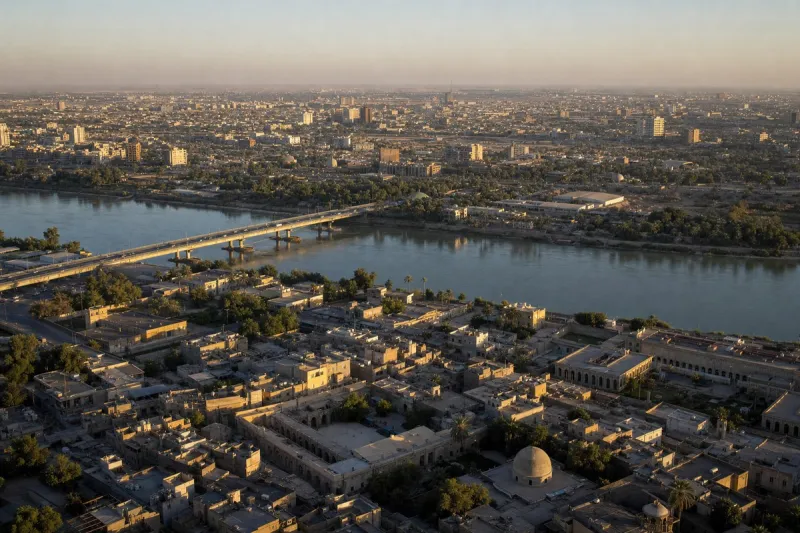
The retaliation channel is already active. Saudi authorities reported intercepting Houthi drones over Riyadh, Medina and the Aramco oil processing plant at the Shaybah field on October 21 and 22, and the Houthis claimed a strike on the Saudi defence ministry headquarters. Washington has issued a region-wide alert for US citizens across twelve Middle Eastern countries and reissued advisories covering thirteen. Iraq remains at the highest US advisory level, Kuwait at "reconsider travel," and the US, UK, Australia and Canada maintain do-not-travel advisories for Lebanon.
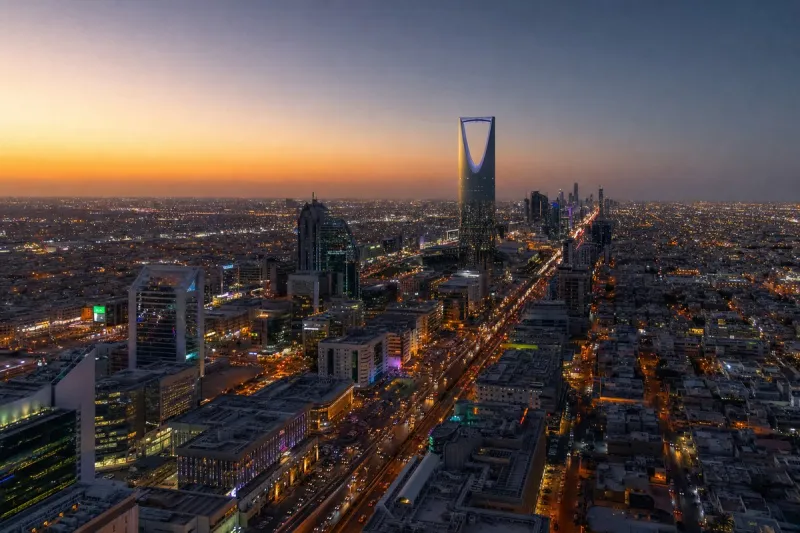
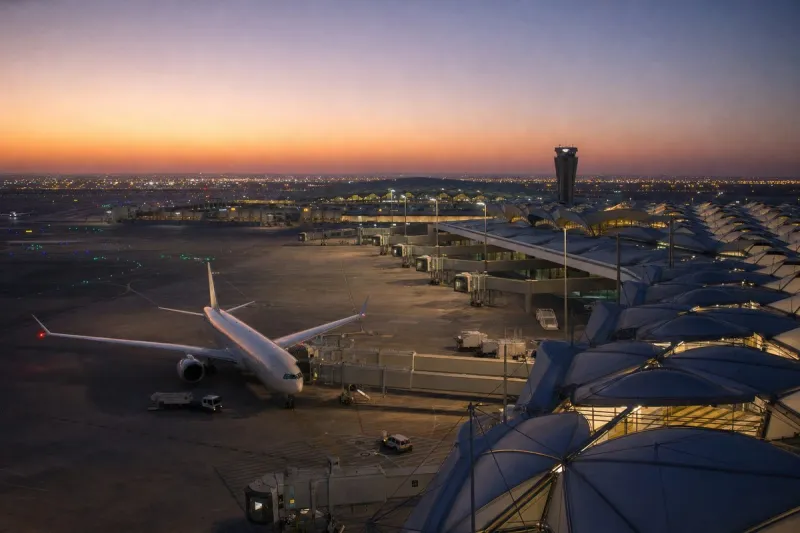
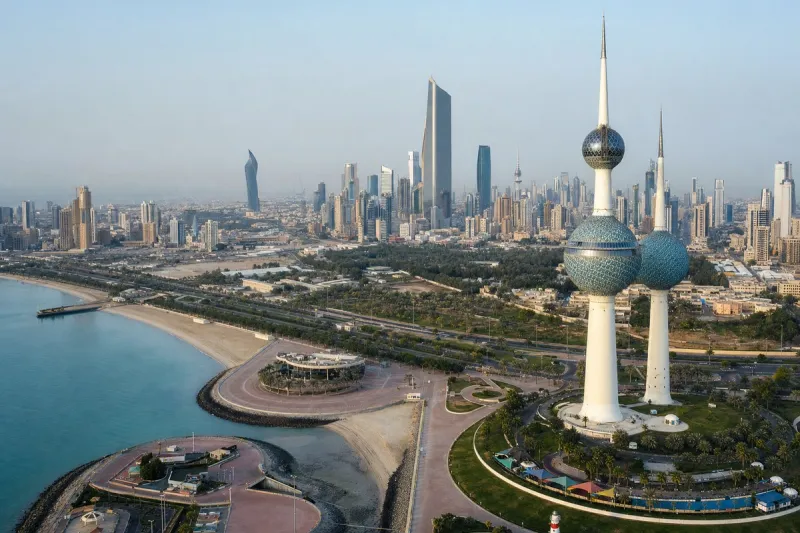
On what is open: Riyadh's King Khalid International reopened on October 18 but operates at limited capacity. Kuwait reopened its airspace to international overflights under a NOTAM imposing a minimum altitude of FL280; Turkish Airlines and Qatar Airways have resumed overflights there while Emirates continues to avoid it. EASA has extended its Persian Gulf conflict-zone guidance through November 16; the guidance is advisory and does not itself close airspace. An Iraqi armed group claims 171 US aircraft airspace violations between September 30 and October 23.
The FCDO has advised travellers to expect possible flight cancellations and temporary airspace closures ahead of the Qatar Grand Prix on November 29 and the Abu Dhabi Grand Prix on December 6, both still planned by Formula 1. Eurocontrol has cut its 2026 European traffic growth forecast to 1.7% from 2.7%, attributing the removal of roughly 110,000 flights to Middle East tensions, with recovery to 3.2% and 11.6 million flights projected for 2027. Jet fuel prices remain elevated partly because of the threat of Iranian action around the Strait of Hormuz.
Weather and disaster load in Asia-Pacific
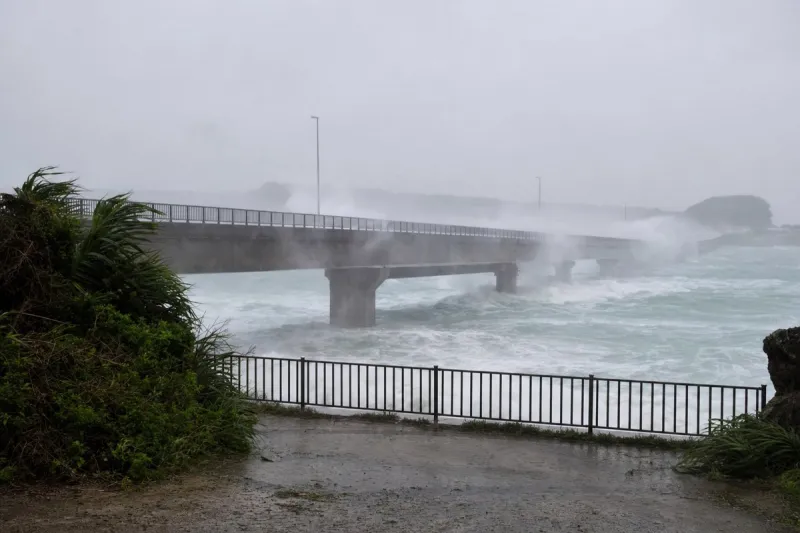
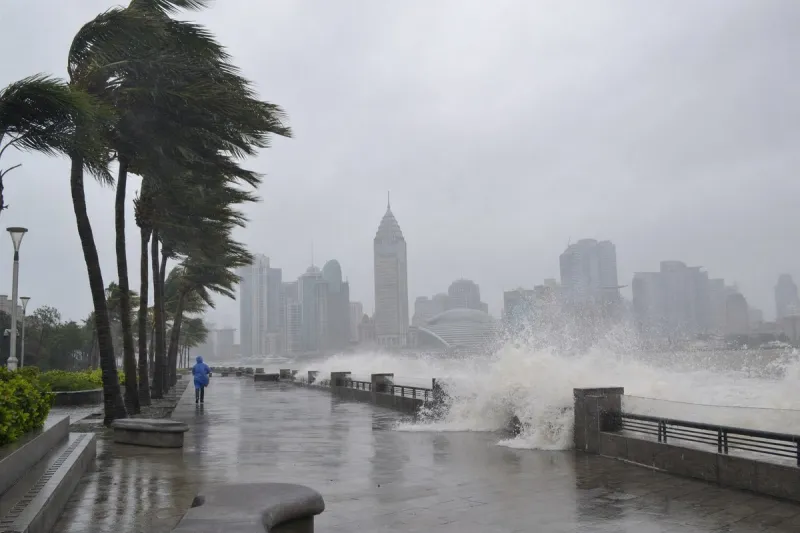
A magnitude 7.0 earthquake struck a remote mountainous area of Tibet on the night of October 22-23, killing at least 16 people and collapsing more than 300 homes. Typhoon Champi caused widespread blackouts across Taiwan and the cancellation of hundreds of flights.
China reported 199.36 billion yuan (about 29.9 billion dollars) in direct natural-disaster losses in the first nine months of 2026. Nepal is still recovering from the August 26 glacier-collapse flood on the Trishuli River. The WMO forecasts tropical Pacific sea surface temperatures up to 3.8°C above average from November.
Industry impact & what to watch
Conditional airspace works differently from closed airspace. A route that is legal today can become unusable after a single strike or NOTAM, so the cost for charter operators sits in contingency: named alternates outside the threat belt, fuel planning that tolerates a FL280 floor over Kuwait and longer routings around Iraqi and Red Sea segments, crew duty calculations based on the detoured leg, and written passenger notification of possible short-notice cancellation or diversion. Event weekends such as the two Grand Prix dates are best contracted with explicit diversion and cancellation terms.
The split between carriers already shows how differently risk is priced: Turkish Airlines and Qatar Airways have resumed Kuwaiti overflights while Emirates continues to avoid them. A 1.7% growth forecast, down from 2.7%, shows the same tension reaching network planning across Europe. A slow-building El Niño adds a weather layer on top of the geopolitical one, concentrated in Southeast Asia and the Pacific.
The key variable through November is whether the US build-up converts into strikes or negotiation. The dated markers are EASA's guidance running to November 16, any change to the Kuwaiti FL280 NOTAM, whether King Khalid International restores full capacity before the Grand Prix period, and the November-to-January El Niño peak.