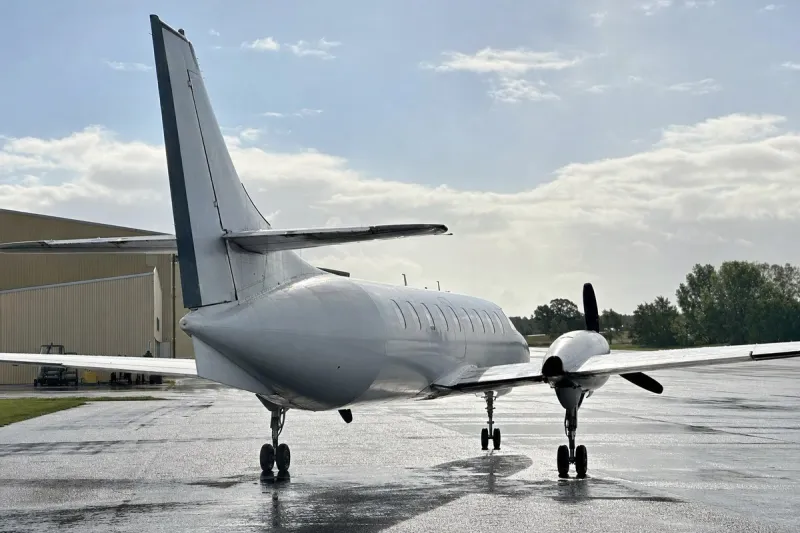
NTSB Preliminary Report: Lancair IV-P Struck Power Lines Before Fatal Crash Near Hicks Airfield in Fort Worth
Why It MattersDepartures from fields bordered by roads, utility lines and housing leave little recovery margin after an early engine problem, and the final probable-cause finding remains 12 to 24 months away.
What happened
A preliminary report from the National Transportation Safety Board (NTSB) says a single-engine Lancair IV-P that crashed on Oct. 7 in far north Fort Worth, Texas, collided with power lines before it hit the ground. The aircraft came down near the intersection of W. Bonds Ranch Road and Blue Sky Drive, close to a residential area, about a minute after taking off from Hicks Airfield.
The pilot, 67-year-old John Unangst, was the only person on board and was killed. Preliminary information indicates the aircraft apparently had engine problems and turned around in an attempt to return to the airport before the crash.
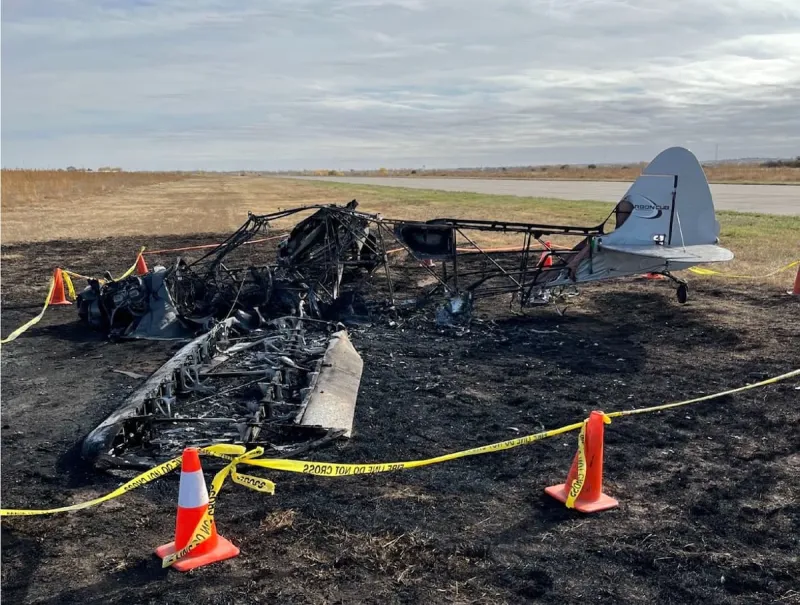
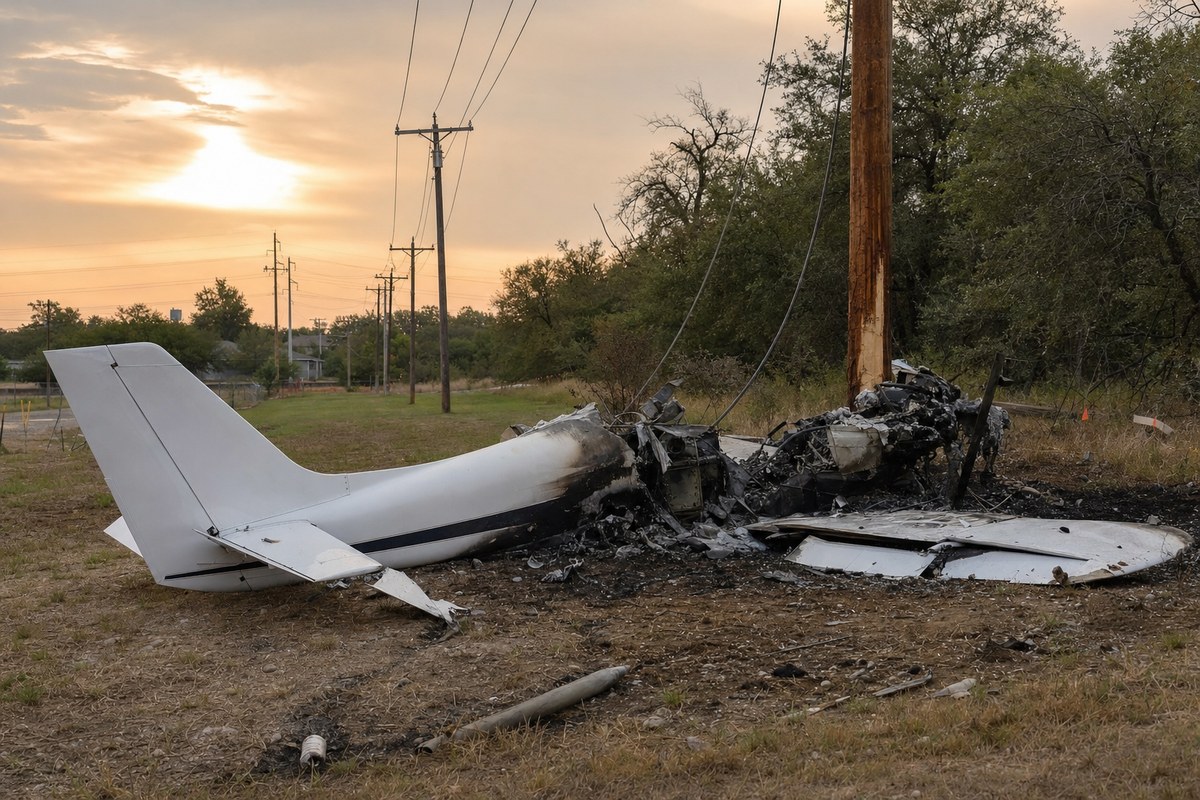
The airplane struck power lines on the south side of the roadway, leaving fragments of the propeller and fiberglass beneath the lines. An impact crater was found in an adjacent ditch. A post-impact fire consumed most of the wreckage, though the tail showed no evidence of thermal damage. The remaining wreckage was transported for further examination by the NTSB.
Industry impact & what to watch
Accidents in the first minute after departure concentrate risk in a narrow window: altitude is low, the airport is close behind, and the terrain below is whatever surrounds the field. When that surrounding land includes roads, utility lines and housing, a turn back toward the runway after an engine problem can end among obstacles rather than on open ground. Hicks Airfield's neighbours in this case were a residential area and overhead power lines, and the wreckage trail ran along that roadway.
A preliminary report fixes the physical sequence, here the line strike, the debris and the crater, but it does not settle why the engine apparently had problems. The engine condition is described only as apparent in the preliminary information, so it stays a question for the examination of the wreckage the NTSB removed.
The NTSB expects its final report, with the probable cause, within 12 to 24 months. Until then, the examination of the transported wreckage is the step that would show whether the engine trouble can be tied to a specific cause.