No Single Rule Governs FBO Safety, but SMS Requirements Are Spreading, Experts Say
Why It MattersFBO safety oversight is a patchwork of airport rules, fuel-supplier terms and voluntary standards, so customer scrutiny and incoming SMS mandates are becoming the practical drivers of consistency across the sector.
What happened
An AvBuyer feature dated 18 August 2026 sets out what aircraft owners and operators need from the FBOs they use: high standards in ground operations, passenger handling, physical infrastructure and terminal security, plus careful collection and storage of passenger, crew and staff data. FBOs are also advised to audit their ground contractors, including car hire, catering, janitorial, fueling, ground handling and waste-disposal providers.
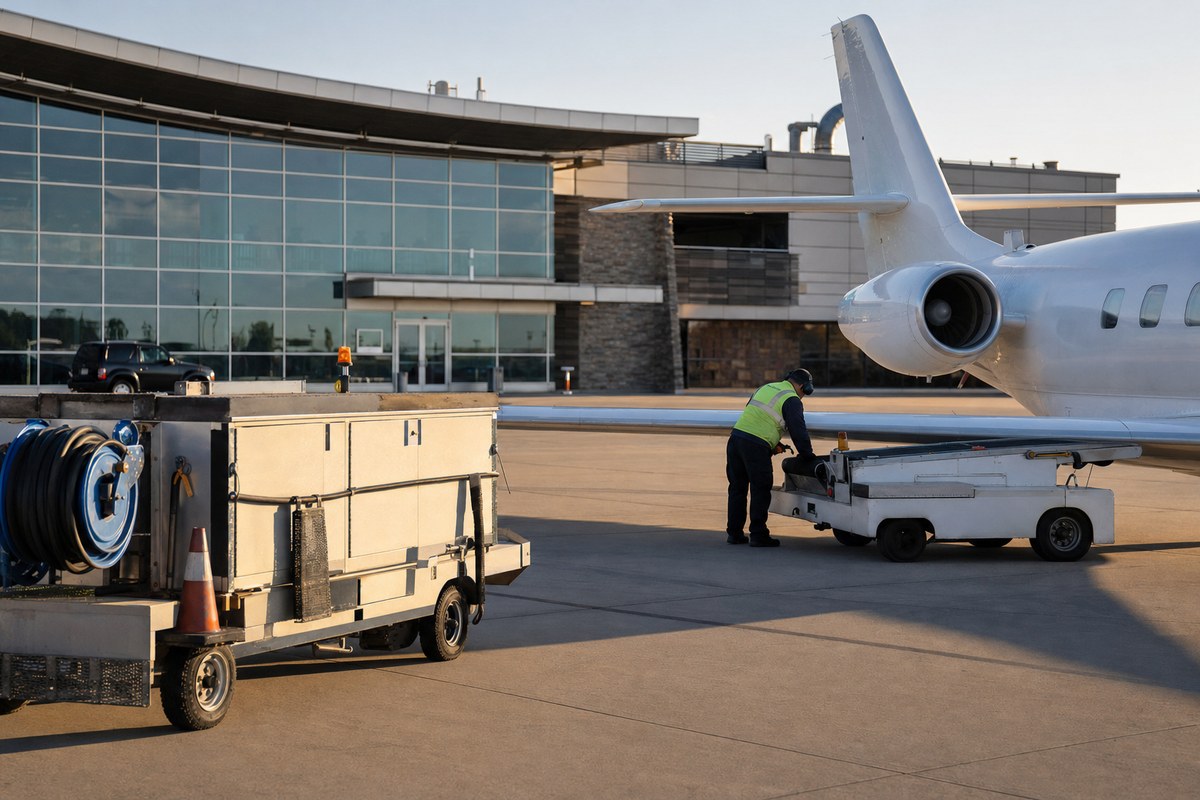
Steve Berry, Vice President of Education and Safety at the National Air Transportation Association (NATA), said no single federal regulation or universal certification covers every aspect of an FBO's operation in North America or Europe, in Europe's case only until 2028. Depending on the airport and the services offered, an FBO may be subject to FAA requirements, airport rules and minimum standards, fire codes, OSHA requirements, environmental regulations, security procedures, and contractual requirements from the airport fuel supplier or customers.
The International Standard for Business Aircraft Handling (IS-BAH), established by the International Business Aviation Council (IBAC), is a voluntary best-practice standard that applies to FBOs and other ground handlers. IBAC allows self-declaration of compliance but recommends independent third-party audits by Program Support Affiliates. Audits assess three stages: safety infrastructure set-up, effective safety risk management, and full integration of safety arrangements into company culture.
SMS requirements and operator practice
Kevin Honan of Nimbl said the FAA has announced that from next year it will require Part 135 charter operators to have a Safety Management System (SMS), and that from March 2028 EASA will require all FBOs under its oversight to adopt SMSs and comply with specific safety standards. He expects FBO safety and compliance requirements to increase over time, with Part 139 airport rules as a starting point.
Signature Aviation, with more than 200 FBOs in North America, Europe and Latin America, said its SMS rests on safety policy, risk management, safety assurance and safety promotion, and that it handles 7,000 operations per day. Atlantic Aviation's Audrey Myers said it applies a single set of standards at every location, audited internally against documented checklists.
Myers advised owners and operators to ask FBOs when their safety programs were last revised, who audits them and what the last audit found, and to avoid adding time pressure that leads to procedural shortcuts.
Industry impact & what to watch
Because FBO obligations come from several overlapping sources rather than one rulebook, two FBOs at different airports can carry quite different compliance loads. Customers in practice fill the gap: asking who audits a safety program and what the last audit found is how operators compare ground handlers that no common certificate ranks for them.
The direction of travel is toward more formal requirements. An FAA SMS requirement for Part 135 charter operators from next year and EASA's SMS requirement for FBOs from March 2028 would move safety management from a voluntary differentiator toward a baseline expectation, and operators that buy ground services will increasingly sit inside the same safety-management chain as the FBOs they use.
The next milestones are the FAA's Part 135 SMS start next year and the March 2028 EASA date. How those requirements are written and enforced will decide whether voluntary schemes such as IS-BAH remain a differentiator or become a way of demonstrating compliance.